The truth about ‘cheap’ expat life in Mexico—what TikTok doesn’t tell you
4 min read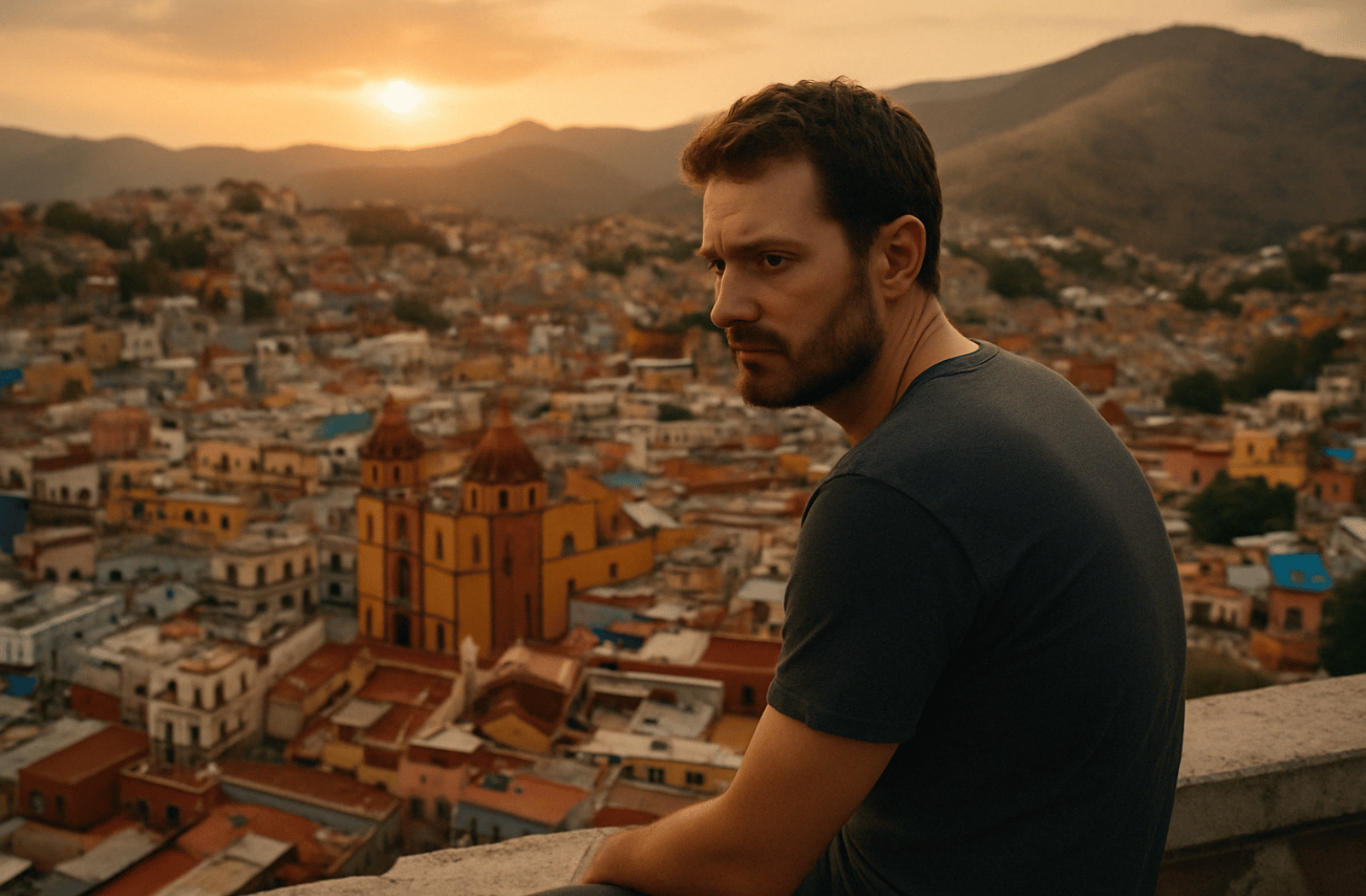
I’ve been around long enough to recognize when a dream is being sold. And right now, Mexico is the product.
Scroll through TikTok or YouTube and you’ll see it: twenty-somethings and thirty-somethings lounging poolside in Tulum, sipping mezcal in Oaxaca, typing away on laptops in cafés that used to be someone’s family home but are now “co-working spaces.” They talk about how they “escaped the rat race” and how for less than the price of a New York studio, they’ve got a three-bedroom house, a cleaner, and a better quality of life.
And I get it. The surface is seductive. Mexico feels like freedom at first. And compared to what you’ve escaped from—anxiety-inducing rent, endless commutes, corporate small talk—it probably is.
But if you stay long enough, if you stop viewing your life through the lens of Instagram stories, you start to see the cracks.
Cheap doesn’t mean sustainable. And freedom, if it’s rooted in avoidance, has a funny way of collapsing in on itself.
Here’s what rarely gets said: most of the people who move to Mexico because it’s cheap are not building a new life—they’re suspending their old one.
They’re living in a holding pattern. Their lives feel paused, not progressed. And that illusion of being “on the verge of something”—a book, a business, a reinvention—often remains just that: an illusion.
The low cost of living lulls you into a kind of spiritual apathy. You stop pushing yourself because you don’t have to. And because everyone around you is doing the same thing, it starts to feel normal. You convince yourself that going to Spanish class twice a week and buying handmade textiles at the artisan market is growth. But deep down, something starts to feel off.
I’ve sat at those rooftop bars. I’ve had those conversations. I’ve felt the quiet emptiness after the mezcal wears off and the sun dips behind the mountains.
And the truth is, many expats in Mexico are running from things they haven’t named yet.
Some are burned out and trying to reset. Others are trying to make their savings stretch a little further. A few are genuinely curious about the culture, the history, the land. But for many, this isn’t a next chapter. It’s a delay tactic. A socially acceptable way to not deal with the pressure of success back home.
Because if you can’t “make it” in LA or London, at least you can live like a king in Mexico, right?
But the cost of that comfort is often invisibility. You start to disappear from your own life. You stop taking risks. You start prioritizing safety over aliveness.
And that’s when the existential itch sets in.
You start to feel the dissonance: between your curated online identity and your real one. Between your unspoken privilege and the lived reality of the people around you. Between the beauty of the place and the fact that you’re always just a little bit on the outside of it.
Mexico is a generous place. It lets you in, even when you don’t fully deserve it. The land holds you, the people welcome you. But you can’t stay in a place like that indefinitely without giving something back. And I don’t mean volunteering at an orphanage once a month. I mean actually showing up for the place. Learning the language, understanding the history, acknowledging the wounds—both yours and the country’s.
Because you don’t just get to drop into someone else’s world, take what you want, and then leave when it stops feeling fun.
And yet, that’s what a lot of expats do.
They float from town to town, Airbnb to Airbnb, complaining when the WiFi goes out or when the street food gives them a stomach ache. They want the exotic without the discomfort, the culture without the complexity, the benefits without the consequences.
It’s a colonizer mentality dressed in boho linen.
And while that might sound harsh, it needs to be said. Because romanticizing poverty to feel rich is just another form of exploitation. You’re not a revolutionary for living cheaply in a place where the minimum wage is $10 a day. You’re just lucky. And if you’re not aware of that luck, it starts to rot into entitlement.
This isn’t to say that every expat is guilty. There are people doing it well—people who stay long enough to listen, to learn, to be changed. But they’re not usually the ones broadcasting their lifestyle online. They’re too busy living it.
So if you’re watching those TikToks and dreaming of moving to Mexico to “live better for less,” ask yourself: What do you actually want?
Are you seeking depth? Or just escape?
Because Mexico can give you depth. It can challenge you, grow you, soften you. But only if you let it change you. If you let go of the fantasy and meet the place on its own terms.
And if you’re not ready to do that, maybe you’re not ready to leave home. Not really.
Because no matter where you go, you’ll always take yourself with you. And if you’re not willing to sit with that, no palm tree or plate of tacos will ever be enough.


