Where to Go on Your First Trip to Europe
26 min readMy first trip to Europe was in 2012. It also happened to be my first solo trip and the inspiration for one of my first blog posts. I found an...
The post Where to Go on Your First Trip to Europe appeared first on Teaspoon of Adventure.
My first trip to Europe was in 2012. It also happened to be my first solo trip and the inspiration for one of my first blog posts.
I found an amazing flight deal from Toronto to London and back from Portugal. And so I headed off to spend a few weeks visiting London, Paris, Nice, Barcelona, Madrid and Lisbon – all for the very first time.
I had an amazing first trip to Europe. It was the trip where I fell in love with London, got mistaken for a local in Paris and realized the kindness of strangers in Barcelona.
It was also the trip where I learned that an overnight train ride doesn’t actually save you paying for a night of accommodation if you get no sleep on said train ride and check into the nearest hotel the moment you arrive in Madrid at 8:00 AM with bloodshot eyes…
Even though I got lost, sad and sunburnt, I had an amazing time and wouldn’t change a thing about my first trip to Europe.
But if I was going on my first trip to Europe today? I might make a few tweaks.
Since that first trip in 2012, I’ve been back to Europe dozens of times. I even lived in Europe twice – studying abroad in Amsterdam in 2014 and moving to Prague in 2019. And I’ve planned countless trips to Europe for myself, friends, family and clients.
So I can’t wait to help you plan your first trip to Europe. You are in for such an epic time – the food, the history, the architecture, the nature – Europe lives up to the hype!
No matter what you’re interested in, I’ll help you find an itinerary that will leave you itching for your return trip. Below I dive into seven ideal first timer itineraries based on your interests, so there’s something for everyone.
Ready? Let’s plan your first trip to Europe!


Disclosure: Some of the links below are affiliate links, meaning if you click through and make a purchase, I will earn a small commission at no additional cost to you. Thanks for your support!
7 best first trip to Europe itineraries
Below I’ll outline seven first trip to Europe itineraries that I’ve put together based on your interests, time and budget.
Whether you’re looking for beautiful scenery, love learning about history, travel for delicious food, are on a tight budget, or only have a short amount of time to fit everything in, there’s a perfect first trip to Europe for everyone.
I truly believe there’s no one right first timer itinerary for everyone but many different options depending on what is most important to you.
If you’re looking to hit the highlights of Europe: London, Paris & Amsterdam
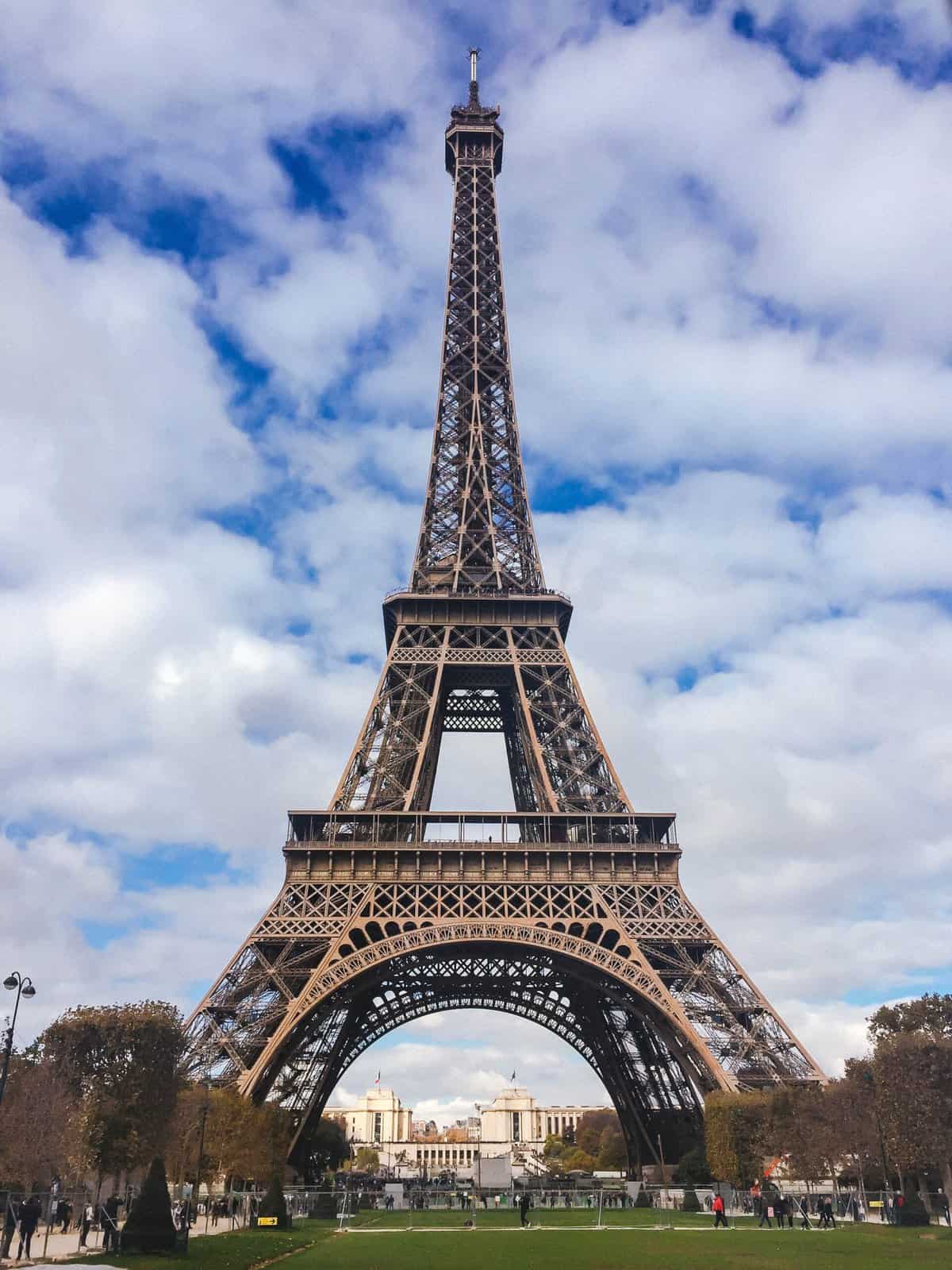
A lot of people’s first trip to Europe is focused on the highlights – the cities everyone knows. While these cities are generally more expensive and crowded with tourists, they are popular for a reason and have a lot to offer.
Three of the biggest cities in Europe, and three that are generally easy to travel between, would have to be London, Paris and Amsterdam.
Sure, these places are touristy, but they’re also European bucket list destinations. Plus, they include two of my favourite cities in Europe and are all easily connected by train!
The itinerary details
Start your trip with a few days in London. I often recommend London as a first stop in Europe for new travellers as it can ease you in with everyone speaking English and lots of sites you’ll recognize from history and the movies.
Admire Tower Bridge and Buckingham Palace, grab lunch at Borough Market, stroll through Kensington Gardens, see the crown jewels and take in a West End show.
If you have more time, take a day trip to Bath (I did this in 2023 and loved it!).
From London, take the Eurostar train to Paris in just two and a half hours. In Paris you can walk along the Seine, eat croissants in front of the Eiffel Tower, admire art at the Louvre and pop into all of the museums while feeling very chic.
If you have more time, take a day trip out to Versailles. Or consider stopping in Brussels on your way to your final stop.
Finally, take a three hour train from Paris to one of my favourite cities, Amsterdam. I studied abroad in Amsterdam and think it’s such a charming place.
Shop the outdoor markets, admire the skinny homes, eat Dutch pancakes, tour the Anne Frank House, see some original Van Gogh paintings, take in the tulips and boat down the canals.


How to extend your itinerary
If you have more time and want to see more iconic European cities, I’d suggest adding Berlin and Prague onto your itinerary.
In Berlin you can check out the Berlin Wall (now a cool outdoor art gallery at the East Side Gallery), museum hop on the aptly-named Museum Island, admire the Brandenburg Gate and sit back in a beer garden.
From there, it’s just a four hour train ride to Prague, where you can visit Prague Castle (or my favourite, Vysehrad Castle), walk across Charles Bridge, see the Lennon Wall and, of course, drink some very affordable and delicious beer.
We actually lived in Prague from 2019 to 2020, so I highly recommend it. It’s hard to beat sipping a drink in the Letna Beer Garden overlooking the river and rooftops.
If you’re looking to visit hidden gems: Slovenia
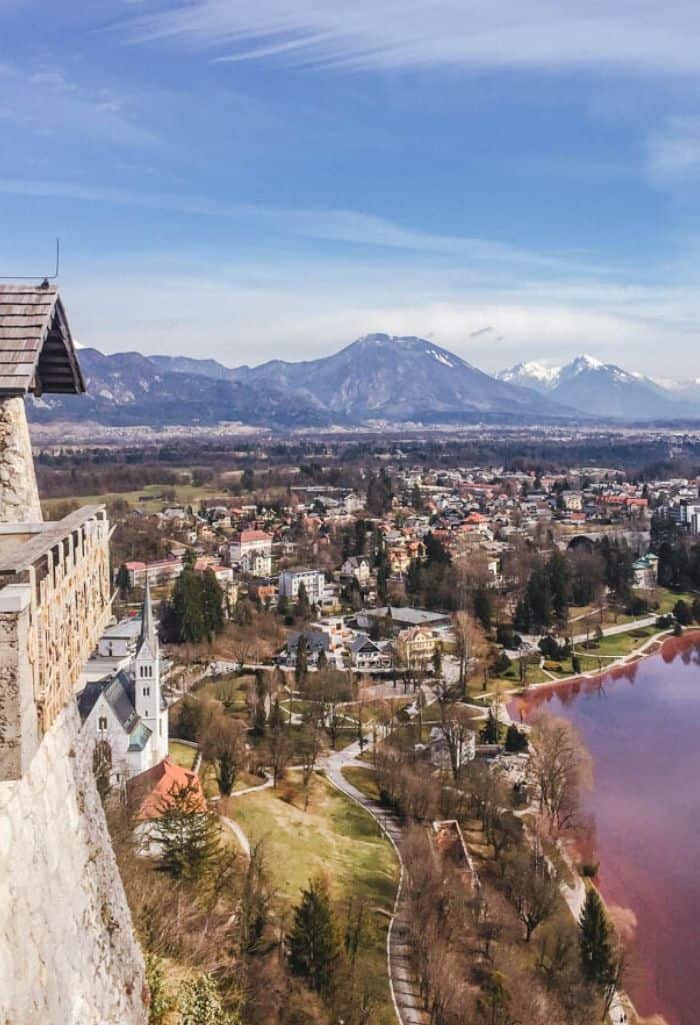
Some people prefer to wander on the road less travelled, passing up iconic highlights for hidden gems. And while I do think that London, Paris and Amsterdam are worth visiting, I understand wanting to have a quieter and more unique first trip to Europe.
So for that, I suggest Slovenia.
Is Slovenia a “hidden gem” that is completely unheard of? Of course not! Especially when you consider how famous that iconic photo of Lake Bled is with the church on the island in the middle of the water.
So yes, parts of Slovenia are well known and it can get busy, particularly in the summer. But it’s nothing compared to the crowds and popularity of Venice, Barcelona, Rome, etc.
I still think Slovenia is one of the most incredible and underrated countries in Europe. I don’t know anyone who has visited Slovenia who hasn’t completely fallen in love with it.
And I don’t know anyone who goes to Europe for the first time and only visits Slovenia, so your trip would certainly be unique!
The itinerary details
No trip to Slovenia is complete without visiting the stunning and well-photographed, Lake Bled. I recommend booking a reservation at the castle for lunch so you can admire the lake from above before doing a lap around the shore.
Just 30 minutes away from Lake Bled is Lake Bohinj, which in my opinion is just as beautiful and offers lots of gorgeous hikes, waterfalls and views.
For more nature, visit Triglav National Park and the Julian Alps. There is also the Soca Valley where you can go zip-lining, canyoning, kayaking and white water rafting!
For charming cities, you’ll definitely want to visit Slovenia’s capital, Ljubljana. I loved this city so much when we visited that I still want to move there. It’s hard to beat walking along the water, shopping in the markets and admiring the buildings.
Slovenia also has a beautiful and delicious wine country to discover, underground caves and ancient castles, and a cool coastal city, Piran, known for its charm and yummy seafood.


How to extend your itinerary
Of course, Slovenia isn’t the only hidden gem in Europe. Typically speaking, smaller towns and countries further east will have more undiscovered places.
I’ve heard amazing things about the country of Georgia, but haven’t had the chance to visit yet. Apparently the scenery is epic, the food is delicious and the wine is worth shipping home.
The Balkans are another great option. My mom and I visited Montenegro in 2014 and felt like we had the entire place to ourselves. I’ve also heard Albania is a great country for beach lovers.
And finally, if you are sticking to Western Europe, add Dresden, Germany to your list. Just a few hours from Berlin, this underrated city is worth the visit!
If you’re looking for art and history: Paris, Rome & Florence
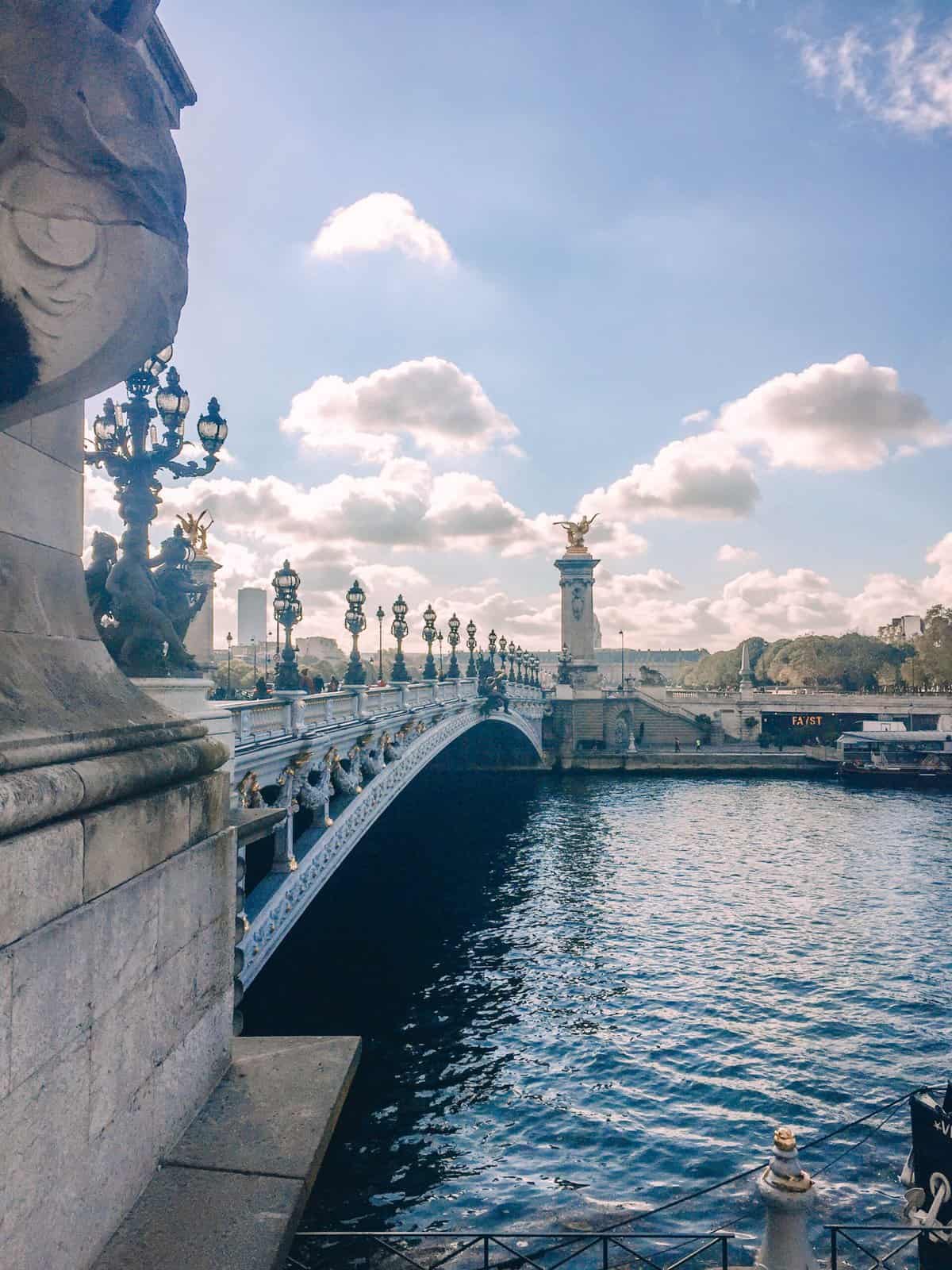
I wouldn’t consider myself an expert on art or history – in fact, I often have a one hour limit before I have to leave a museum or art gallery out of boredom – but even I know that Europe is the perfect place for art lovers and history buffs.
And a few of the best cities to experience that history and art are Paris, Florence and Rome. Even an amateur appreciator like me enjoys what these cities have to offer!
The itinerary details
Start off in Paris and cross the big one off of your bucket list: Seeing the Mona Lisa at the Louvre.
But as every travel blogger will tell you, prepare to be disappointed. Mona Lisa is a small painting, hidden behind plexiglass and a barrier. It’s much more interesting to take photos of the crowd taking photos of Mona Lisa, than to actual take her photo.
But do let the rest of the Louvre, and the rest of the art scene in Paris, sweep you off your feet. I’ve been to the Louvre a few times now and each time discover new wings that impress me, despite knowing nothing about art.
And you’ll even find wings that are completely empty, as most people only make it to the Mona Lisa and surrounding galleries. My dad and I were in an African art wing and had it all to ourselves.
There’s also the Musée d’Orsay in Paris, which I haven’t been to but would love to, known for Impressionist art, and Centre Pompidou, known for modern art (though closing for extensive renovations from 2026-2030).
Of course, Paris is home to countless other art galleries like Muée Picasso, Musée Rodin, Musée de l’Orangerie and Fondation Louis Vuitton. Once you cross the big ones off your list, I think it’d be most fun to discover the small, private galleries all around Paris.
In Paris, history buffs will appreciate Arc de Triomphe (commissioned by Napolean), the newly opened Notre Dame Cathedral (built in the 12th Century), the Pantheon (where Voltaire and Victor Hugo are buried) and the Conciergerie (where Marie Antoinette was held).
Speaking of Marie Antoinette, you’ll definitely want to take a day trip to Versailles for both the history and the artistic luxury of the palace and gardens!
In Florence, you’ll of course need to visit the famous Uffizi Gallery and see the David statue at the Accademia Gallery.
I’ve only spent a few hours in Florence and, sadly, didn’t get to see either of these art galleries. We had planned to stop in and see David but discovered the Accademia is closed on Mondays. So learn from my mistakes and book your tickets in advance!
Like Paris, Florence is also home to many more art galleries and beautiful buildings, like the Bargello Museum and Palazzo Strozzi, you can admire in between cones of gelato.
History lovers will want to tour Florence’s iconic Duomo, stroll across Ponte Vecchio (Florence’s oldest bridge) and explore Palazzo Vecchio, and take a day trip out to the medieval towns of Tuscany, such as San Gimignano (one of my favourites!) and Siena.
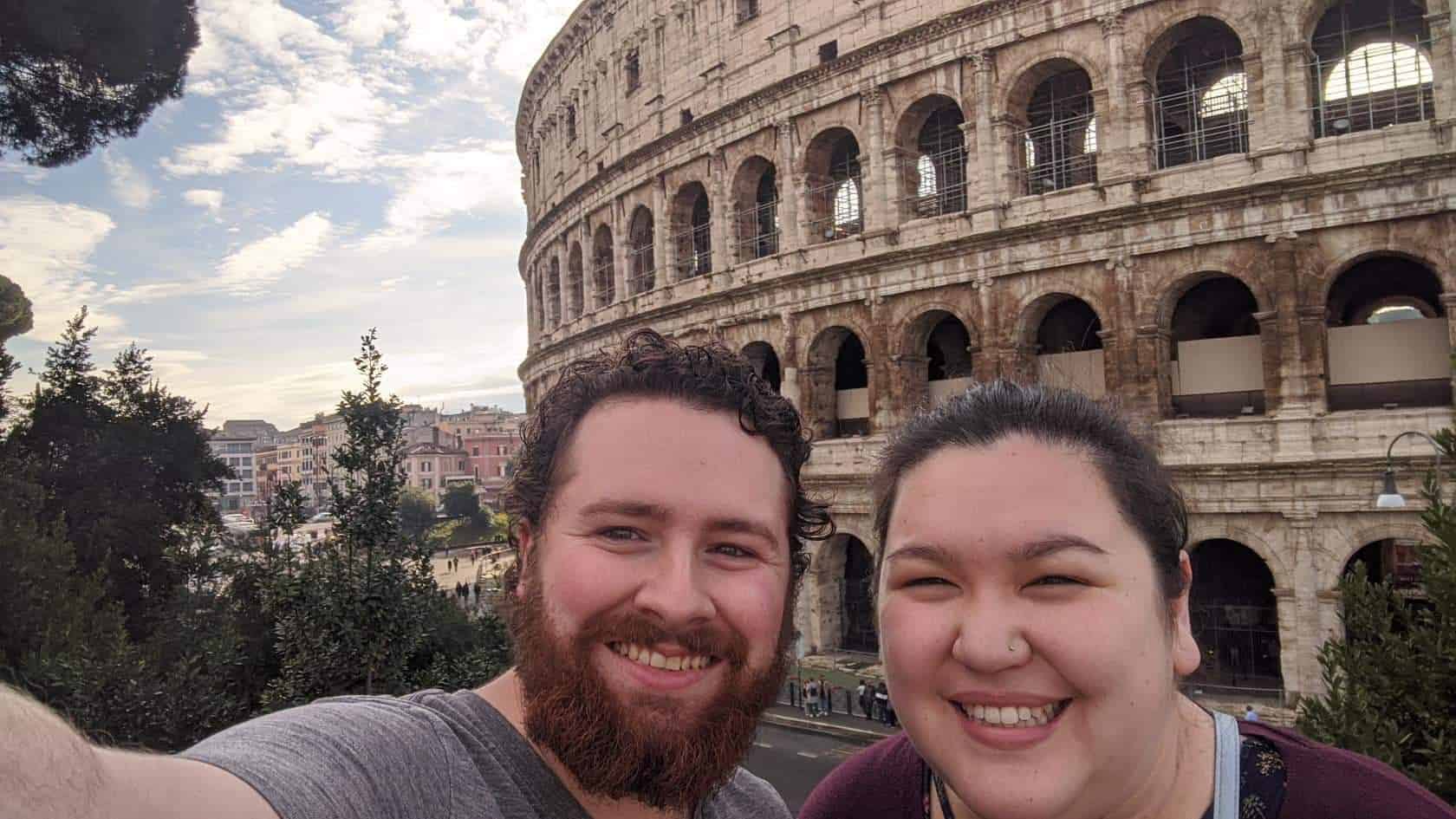
Last stop: Rome. In Rome you’ll walk in the steps of history as you discover where gladiators fought at the Colosseum and the roads Julius Caesar rode down at the Roman Forum.
And you can’t miss the Trevi Fountain, Spanish Steps, Pantheon, Catacombs, Appian Way and Domus Aurea. I also recommend Ostia Antica, which is like a mini Pompeii just outside Rome.
What really brought history to life for me in Rome was that outside of these huge attractions, you’ll find Ancient Roman artifacts all over the city. I was constantly surprised when we’d be taking a bus to get somewhere and outside the window would be a local city park that just happened to have some ancient pillars in it!
For an even better chance to walk through history, take a day trip to nearby Pompeii or Herculaneum. Both of these ancient sites completely blew me away – I can’t wait to bring our daughter back one day.
As for art, you’ll want to check out the impressive galleries of the Vatican, as well as many other Roman art galleries like Galleria Borghese, known for Renaissance and Baroque art, and MAXXI, known for contemporary art.


How to extend your itinerary
Belgium is a great country to explore if you love art, history, architecture and yummy food.
I spent a long weekend exploring a few different cities in Belgium in 2014, went back to Antwerp in 2018, and visited Brussels and Ghent again in 2022.
Brussels is known as the comic book capital of the world, with a couple of cool museums dedicated to the art form. The Adoration of the Mystic Lamb, aka the Ghent Altarpiece, is a must-see for art lovers in that city.
For history, you can tour 12th Century Gravensteen (Castle of the Counts) in Ghent, visit important battlefields and WWII sites, and learn about the history of the European Union in Brussels.
And I’d argue that the fairytale buildings of Antwerp and Bruges – plus Brussels and Ghent – are the best art history you can find!
I think it’s also worth noting that while places like Paris and Florence are known for their art culture, there is art all over Europe. It just might not be by artists you recognize.
And, because European culture and buildings are so old compared to what you find in North America, there is history throughout Europe too.
So don’t feel like you have to go to the Louvre to see art or walk the Colosseum to experience history. That stuff is all over Europe!
If you’re looking for nature and views: Iceland and Ireland
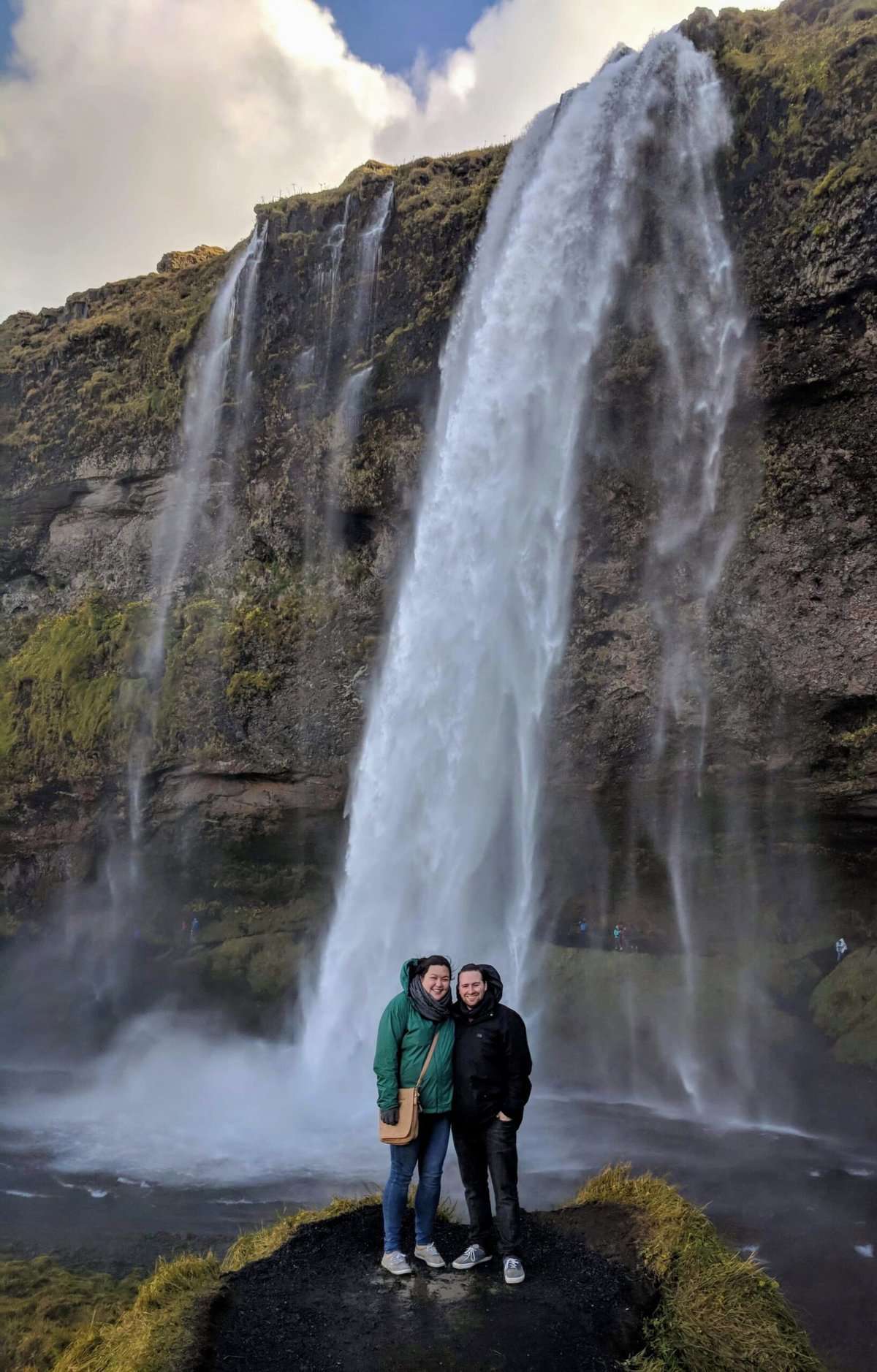
I’m not a big hiker or outdoorsy person, but even I can’t pass up a great view. And Europe is lousy with gorgeous places you can drive, walk, bike or hike through.
I haven’t seen them all, but two of my favourites that I think would be amazing for a first trip to Europe are Iceland and Ireland. These two countries will absolutely leave your jaw on the ground!
If you’re a fan of waterfalls, geysers, volcanoes, forests, cliffs, valleys and more greenery than you know what to do with, read on!
The itinerary details
Iceland is an absolutely magical place no matter what time of year you visit. I have visited Iceland twice, in January 2014 and October 2018, and both visits were amazing.
With just a few days in Iceland, base yourself in Reykjavik, the capital. Spend a day exploring this funky little town, eating the delicious local food and admiring the largest church in Iceland, Hallgrímskirkja.
From Reykjavik you can rent a car, or head out on day tours if you don’t want to drive, to explore sights along the Golden Circle. It’s hard not to be impressed by a geyser that can erupt over 130 feet (40 meters) in the air!
The next day, head for a drive along Iceland’s southern coast (bus tours will go out on this route as well) to see waterfalls, glaciers and black sand beaches. Or if you have more time, you can rent a car and drive the entire Ring Road around Iceland (budget 7-10 days for this drive).
Adrenaline junkies may want to snorkel between the tectonic plates, tour a lava tunnel or fly in a helicopter over a volcano!
From Iceland, it’s a short 2.5 hour flight to Ireland. Once again, you’ll be spoilt for choice when it comes to beautiful views. When I first visited Ireland in April 2018, I based in Dublin, Belfast (Northern Ireland), Galway and Cork, visiting natural wonders from these main cities.
If you only have a few days in Ireland, I’d prioritize the Cliffs of Moher by Galway and the Ring of Kerry by Cork.
The Cliffs of Moher are not to be missed! Hopefully you get nice weather and can see the cliffs jutting out from the coast and sparkling in the sunlight. The Ring of Kerry is full of lots of beautiful waterfalls and viewpoints.
Up north, you can check out Giants Causeway from Belfast, as well as some famous Game of Thrones film locations, like the Dark Hedges.
And in between all of those natural stops, you can rest in cities, enjoying famous Irish hospitality at pubs and restaurants.


How to extend your itinerary
It’s hard to find a place in Europe that isn’t full of natural beauty and epic views. As both Ireland and Iceland are islands, you’ll likely need to fly off to another country if you want to enjoy more scenery.
You can opt for the stunning snow-covered Alps in Switzerland, go on a picturesque road trip through Austria, chase waterfalls and island hop in Croatia, or see the fjords in Norway!
If you’re a foodie: Copenhagen, San Sebastian & Naples

Do you travel for food? Same! A great first trip through Europe would be to follow your stomach to some of the continent’s greatest foodie stops.
While great food can be found anywhere in Europe, these three cities are known for their food culture, dining scene and/or Michelin stars.
They’re also in three different geographic areas of Europe, meaning you’ll have new views out your window, as well as new dishes on your plate.
The itinerary details
Copenhagen is known as the foodie capital of Europe with tons of award-winning restaurants, like Noma, which has won Best Restaurant in the World for years and is now open seasonally.
Other must-try restaurants in Copenhagen include Kødbyens Fiskebar, Sanchez, Poulette, Selma and Vækst. Plus they have a great cafe scene (we spent half of a rainy day in Copenhagen holed up in cafes) and epic food halls.
There’s also special Danish dishes you won’t want to miss, like smørrebrød (open-faced sandwiches), a Danish hot dog and fresh seafood.
(Just watch the Somebody Feed Phil episode in Copenhagen to get inspired! He also goes to San Sebastian in his 2025 season.)
Copenhagen is also a really beautiful city – just visit Tivoli Gardens, Nyhavn and take a boat ride on the canal to be sure. Plus it’s an easy day trip to Lund and Malmo in Sweden, so Copenhagen would make for a cool base on your first trip to Europe.
From Copenhagen, fly over to San Sebastian, one of the best places to eat in Spain, if not in all of Europe. I haven’t been myself but am hoping to change that later this year, especially since San Sebastian is my partner’s favourite city in the world.
Pintxos, northern Spain’s version of tapas, are famous here and I could see myself happily going from one pintxo bar to the next. My mom did that on her Spain and Portugal trip a few years ago and raved about it.
Famous dishes in this region include Basque cheesecake, grilled octopus, tortilla de patatas, anchovy skewers, foie gras, suckling pig, beef cheek and salt cod – plus txakoli (local white wine) and cider to drink.
Elkano, Bar Nestor, Bodegon Alejandro, Gandarias and La Cuchara de San Telmo are just some of the must-dine-at restaurants in San Sebastian.
Lastly, I recommend enjoying the food in Naples, Italy – the birthplace of pizza! I’ve been to Naples twice and both times ate some of the best food of my life.
It’s not just pizza (though the pizza is incredible) but also amazing pasta, gelato, pastries and more that you’ll find in Naples. I highly recommend trying cuoppa (fried street food) and sfogliatella (a flaky pastry) in between bites of pizza.
I really loved the pizza at Pizzeria la Michele (the one made famous by Eat Pray Love) and Sorbillo (so many cool topping options). Other top rated pizzerias include Pizzeria Starita a Materdei, Pizzeria Di Matteo, 50 Kalò and Il Colmo Del Pizzaiolo.
Naples itself is a bit gritty, but it’s worth spending a few nights there to eat as much as you can. Plus, it’s just a short train ride from the archeological sites of Pompeii and Herculaneum, and close to Rome.


How to extend your itinerary
You’ll have a hard time finding bad food in Italy but for the best of the best, head to Bologna, where a lot of the country’s most popular food is produced.
I can’t wait to visit Bologna and eat the best cheese, meat and balsamic vinegar!
Wine lovers should plan a trip through the Bordeaux region of France, or Lyon, known for its amazing food scene. And anywhere in France with a fresh croissant is a good idea.
And don’t count out London! While British food isn’t widely admired, the international city of London is home to some of the most diverse and delicious restaurants. I still dream about the breakfast naan wrap I had at a Dishoom in London…
If you have limited time in Europe: Germany, Austria & the Czech Republic
If you only have a short amount of time for your first trip to Europe, the key is to pick interesting stops that are close together. You don’t want to waste all of your time on flights or in transit.
This is actually one of the biggest mistakes I see newbie travellers make: too many places in too little time.
I don’t believe that there’s a definitive winner in the fast vs slow travel debate, but I do think people who are less experienced with travel often overestimate how much time they’ll want in each stop.
This often leads to a more expensive, more stressful and less enjoyable trip…and no one wants that!
So if this is your first trip to Europe and you only have a week or so, please don’t try and see it all. Follow my itinerary below for a few awesome locations you can enjoy without wasting too much time on planes and trains.
The itinerary details
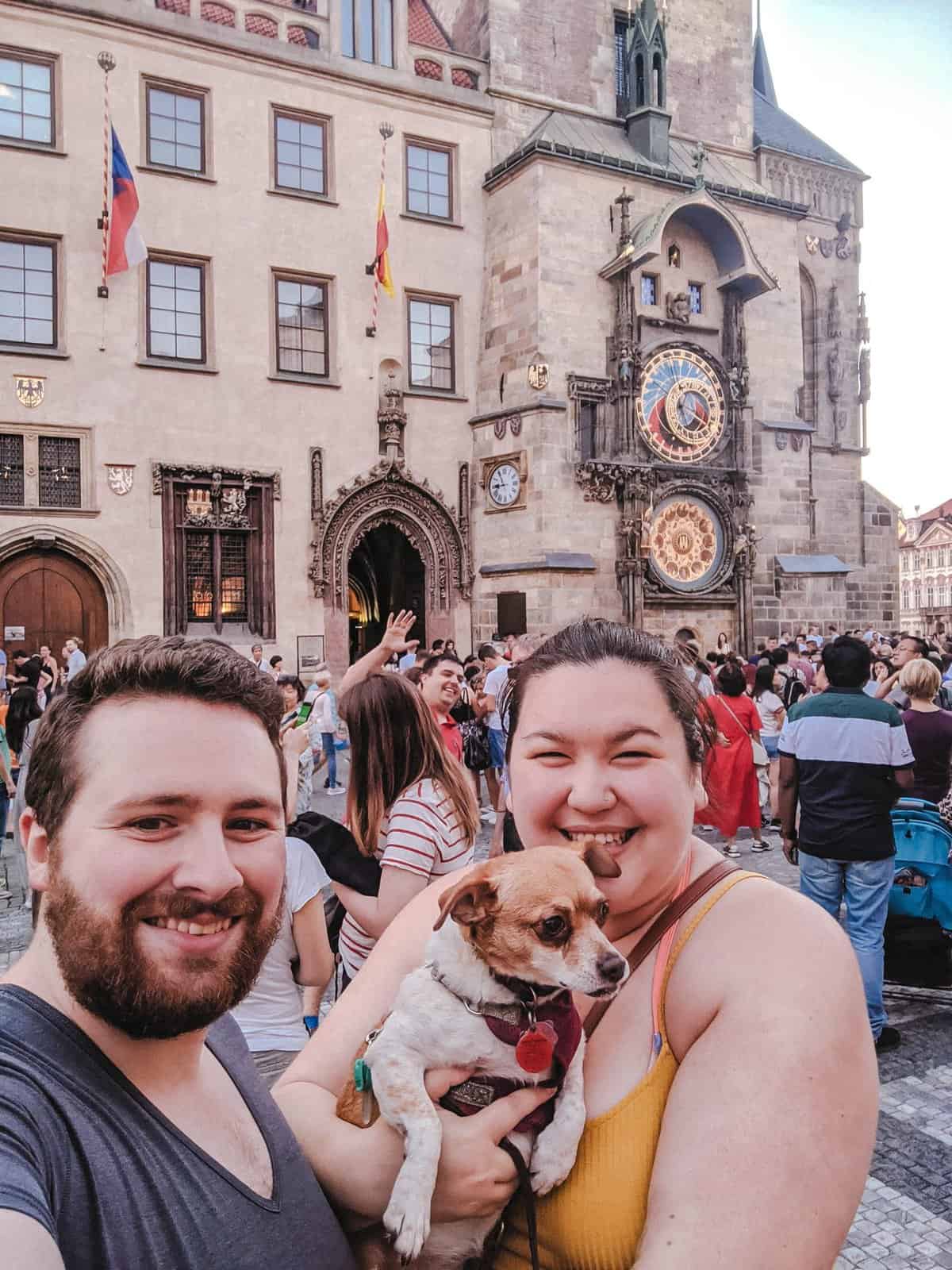
Our Christmas Market road trip would be the perfect itinerary for someone short on time who wants to see as much as they can. We started off in Prague, where we were living at the time.
Here you can enjoy cheap beer, beautiful buildings and epic views. My top recommendations for Prague are a visit to Vysehrad (the city’s second, and much less popular, castle complex) and enjoying a drink at Letna Beer Garden with a view over the city.
From Prague, train or drive down to Vienna, Austria (3.5 hr drive or 4 hr train). Visit palaces, check out beautiful art, take in a show and enjoy the famous Viennese coffee scene.
Schonbrunn Palace (grab ticket here) is my favourite place in Vienna. In fact, you don’t even have to go into the palace itself, it’s the grounds that are so impressive!
From there it’s a three hour drive or 2.5 hour train ride over to Salzburg, my favourite Austrian city. Wander through the Old Town and don’t miss out on exploring the grounds of Hohensalzburg Fortress, complete with beautiful city views!
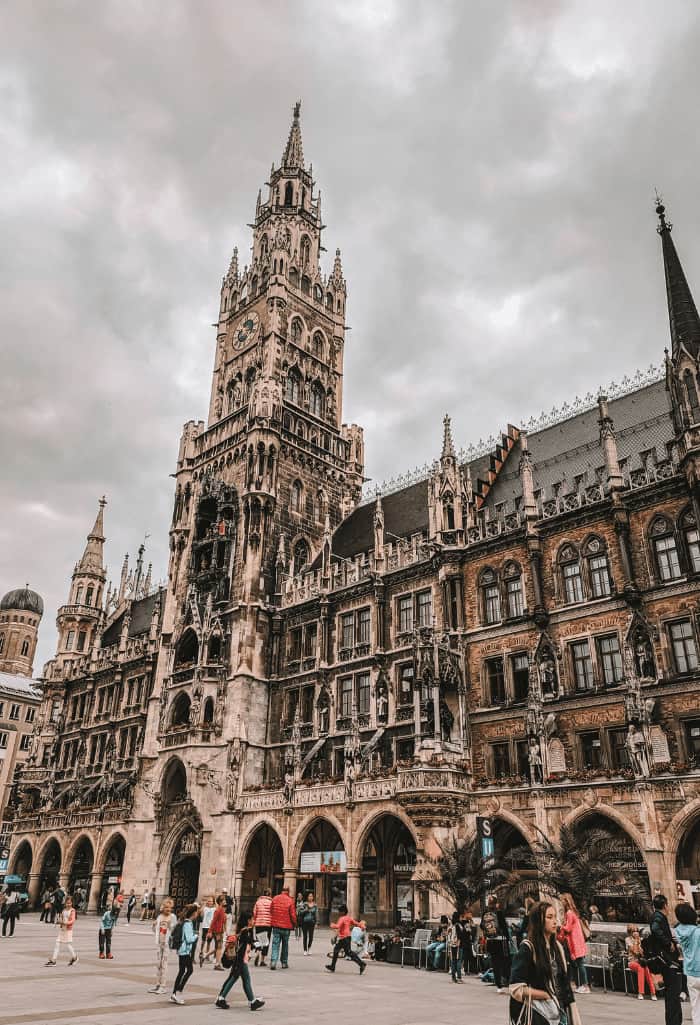
Next, you’re driving just an hour and a half (or taking a two hour train) to Munich. Take a tour through the historic part of town, sit down in a beer garden and make a visit to Dachau Concentration Camp, less than an hour from the city.
My husband, Colin, and I visited Dachau in 2019 and it was a very impactful visit. I’d highly recommend touring a concentration camp and learning more about Nazi history while in this part of Europe.
You can wrap up your trip in Muncih or, if you have a tiny bit more time, head to nearby Nuremberg (2 hour drive or 1 hour train ride), an amazing little fairytale town with lots of WWII history.
Here you can visit the Nazi rallying grounds and courtroom where the Nuremberg Trials took place, wander down beautiful streets like Weißgerbergasse, and eat at LêBar, a fun and delicious Indian restaurant that I highly recommend!
And since this itinerary is designed to be a full circle (helpful for car rentals), you can head back to Prague (3.5 hr drive) from Nuremberg and catch your flight home from there.


Alternative short Europe trip itineraries
If Czech Republic/Austria/Germany doesn’t strike your fancy, there are so many multi-country itineraries you can put together for your first trip to Europe to maximize your time on the ground.
Just pick two neighbouring countries – bonus points if they have easy train or bus routes between the two!
Here are some of my recommended short itineraries through Europe:
If you’re on a budget: Budapest, Bratislava & Prague
Last but not least, what’s the best first trip to Europe itinerary if you’re on a budget?
Unfortunately, a lot of the major cities in Europe (London, Paris, etc.) are also the most expensive. Attractions, accommodation and transportation can all blow the budget.
But it is possible to have an amazing first trip to Europe without spending a ton of money. Less popular cities and cities in Eastern Europe are often more affordable.
Of course, the way you travel will also have a major impact on your budget. Fine dining, luxury car rentals and private tours will always cost more than street food, public transit and free attractions.
But if you’re looking for a few cities where your money will go farther, follow my itinerary below through Prague, Bratislava and Budapest.
The itinerary details
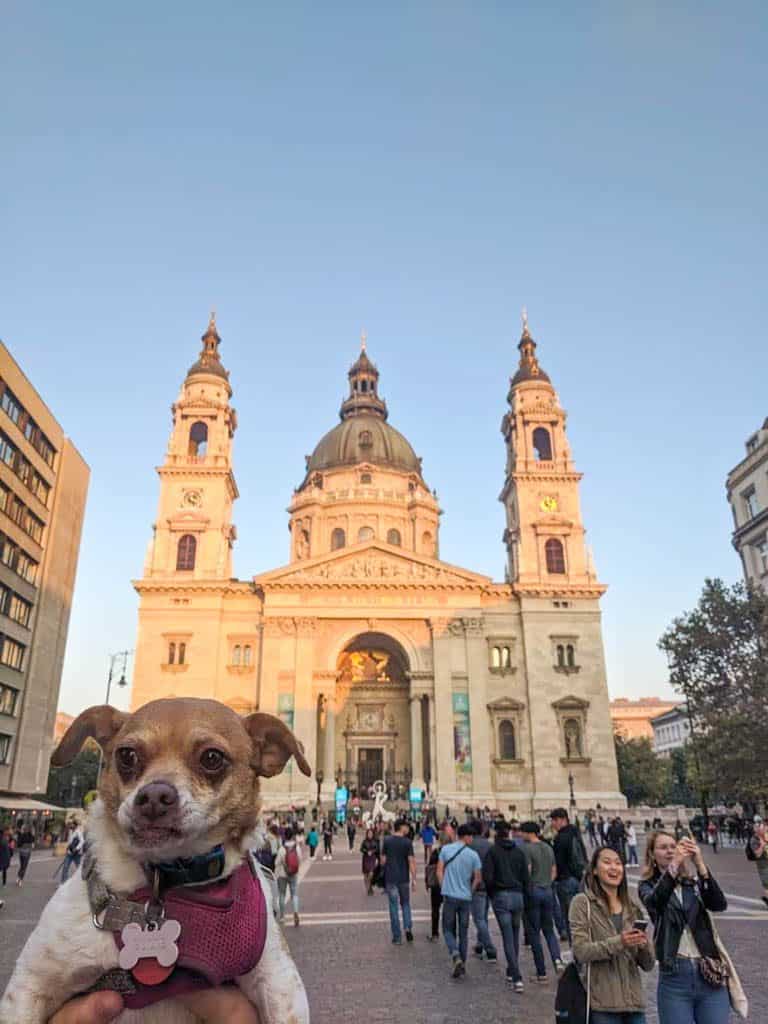
Start your European budget trip off in Budapest, one of my favourite cities in Europe. Budapest has so much to do and is a truly unique city.
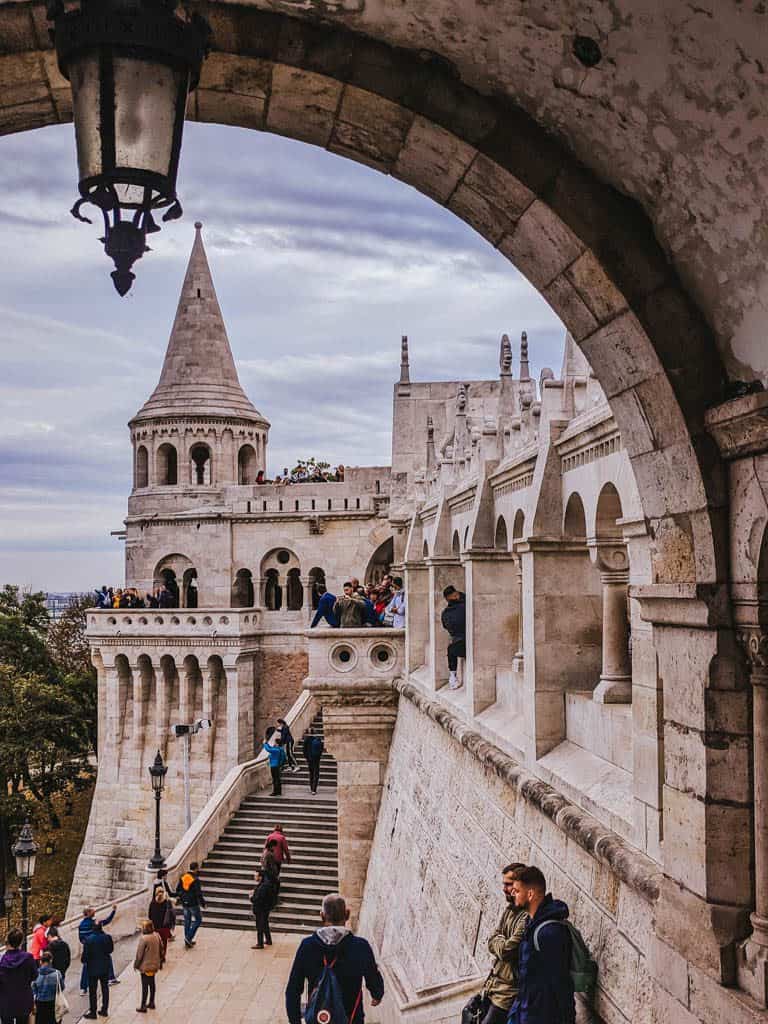
Take a cruise down the Danube, tour the largest parliament building I’ve ever seen, explore Buda Castle and Fisherman’s Bastion, party at the ruin bars and soak in one of the traditional bath houses.
Because Hungary is in Eastern Europe and doesn’t use the Euro (their currency is the Hungarian Forint), and for many other historical/political/cultural reasons, Budapest is a much more affordable capital than the likes of Paris or London.
From Budapest, you’ll take a short train ride over to Bratislava, Slovakia.
I’ll be honest: Bratislava is not a place you’re going to need to spend a lot of time. It’s a small city and there isn’t a ton of things to do. But it is worth a day or two and is definitely going to be budget-friendly.
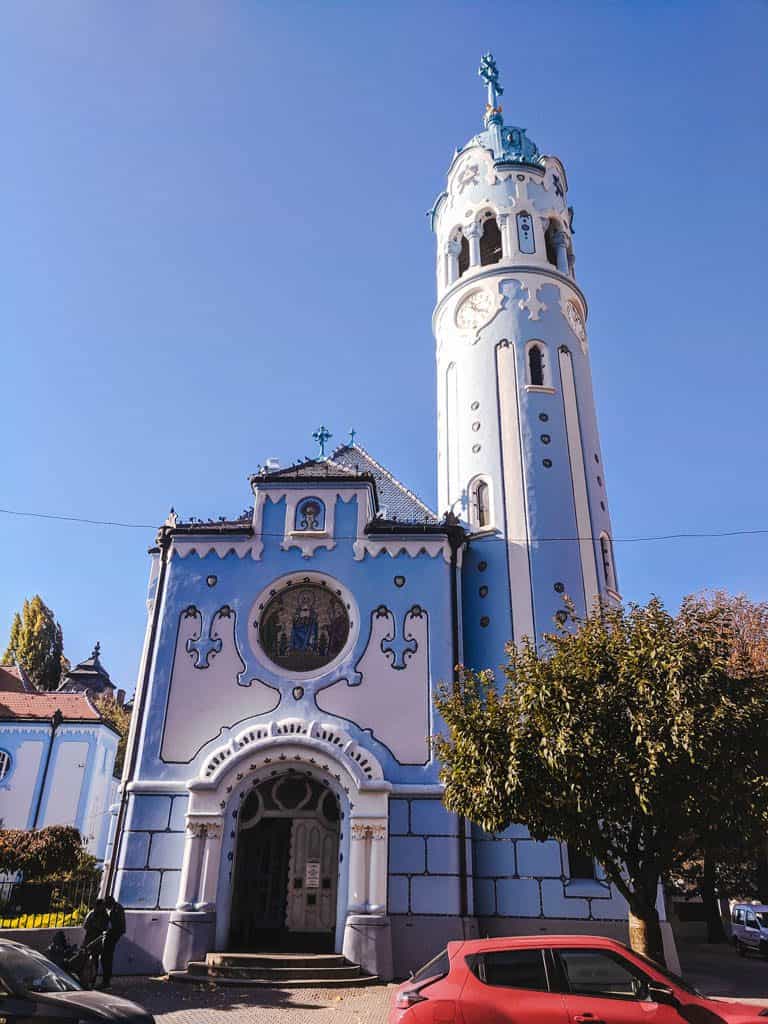
Explore Bratislava’s Old Town where you’ll find cool street art (look for the statue in the man hole) and a bright blue church, take in the view over the river, and head just outside of the city to visit Devin Castle (my favourite part of Bratislava).
My other favourite part of Bratislava? The breakfast! We lucked into two amazing breakfast places while we were there, filling up on fancy eggs and pancakes for just a few dollars.
Lastly, you’ll take another train to Prague (4 hours from Bratislava). One of the reasons we decided to move to Prague was because cost of living was so cheap – beer is literally cheaper than water!
It’s super affordable to travel through Prague and the Czech Republic and there are a ton of amazing things to see and do.
You can tour the Old Town, walk across Charles Bridge, see the Lennon Wall, visit Prague Castle and Vysehrad, go on day trips to Cesky Krumlov and Kutna Hora via public transit, and enjoy lots of Czech beer and dishes without breaking the bank.

Alternative budget Europe trip itineraries
Other budget-friendly countries you might want to check out include Romania, Poland, Portugal, Croatia (outside of the touristy hubs, like Dubrovnik), Slovenia, Greece, Georgia, Albania, Montenegro and many more.
And like I said above, you can really impact your budget by the way that you travel, not just the destination. It’s easy to spend a lot in the Baltics and Balkans, just like it’s possible to save money in Switzerland and Scandinavia.
If budget is a concern, you can help yourself out by choosing a cheaper city but you’ll also want to do your research to find good flight deals, affordable accommodation and free or cheap activities.
Europe trip FAQS:
When should you visit Europe?
Shoulder season is always the best time to visit Europe, by which I mean early spring and late fall.
Europe gets very crowded with tourists over the summer with kids out of school and both foreigners and locals vacationing. This is also when North American tourists find out the hard way that a lot of Europe is not air-conditioned!
Winter is typically the off-season, but can be crowded with many people travelling to Europe for the famous Christmas markets. Obviously, winter can be very cold, which can make travel uncomfortable.
Shoulder season – early spring and late fall – are the best times to visit Europe if you want nice weather with less crowds.
However, a lot of people know about the pros of shoulder season travel, which shrinks shoulder season more and more each year. The busy summer months are not just July and August – it’s now May through to October.
And even in the shoulder-y-ist of shoulder season, or in the off-season, you’ll still find crowds in the most popular places in Europe. I visited London in January and was surprised that Borough Market was packed!
Where kind of accommodation should you book in Europe?
Generally speaking, the more touristed cities in Europe will have something to suit every budget and style – you can camp, sleep in a triple bunk bed in a hostel, splurge on a luxury hotel, stay at an adorable bed and breakfast, or rent an apartment.
My advice is always to stay as close to the centre as you can afford in a place that is comfortable and clean.
European cities are meant to be explored on foot, so it’s best if you’re just a short walk or transit ride away from all of the sights, shops and restaurants.
Exactly what kind of accommodation you choose will depend on the type of stay you want to have.
- If you’re looking to save money and meet other people, try a hostel.
- If you want space to spread out and a kitchen to cook your own meals, check out an apartment rental.
- If you prefer the convenience of a hotel, you’ll find options in every budget wherever you are in Europe.
I would also recommend booking your accommodation ahead of time, especially if you’re visiting during peak season, are on a shorter trip, or are visiting a small town with few accommodation options.
(If you’ll allow me a small rant on this…)
There’s this romantic vision people have of showing up in a new city and just wandering until they find the perfect little B&B that is somehow available, affordable and run by an elderly couple that invites you to have dinner with their family.
But that’s not often the reality. Elderly couples are not just waiting to invite perfect strangers over for dinner every night.
And nothing sounds more stressful to me than showing up in a new city and having to schlep around town with my bags and my annoyed travel companions, trying to find a place to stay that is available, affordable and suitable to my tastes, while battling jet-lag and wasting my limited time in that city.
Why do that when I can just book a place weeks or months in advance on my laptop from the comfort of my couch? That way, I can read reviews, look at pictures, search within my budget and guarantee availability.
Does that mean you can’t be spontaneous and extend your stay or, if you do happen to meet that magical elderly couple, accept their invite to stay at their B&B? Not necessarily.
Just book accommodation with free cancellation and you can go wherever the wind takes you (with the comfort of knowing you have a place booked should you need it).
(End rant.)
How long do you need for a first trip to Europe?
For your first trip to Europe, I think 10-14 days would be perfect. That gives you enough time to explore a few different areas and get a taste for Europe.
Of course, if you can swing more time, that’s awesome. You could easily spend months and months exploring all corners of Europe but most people don’t have that much vacation time.
Or if 10-14 days isn’t doable for you, I’d say the trip may still be worth it (depending on where in the world you’re coming from) if you can get at least five days on the ground.
In terms of pacing, every travel blogger has an opinion on whether you should travel fast or slow, and what exactly constitutes “fast” or “slow” travel.
I definitely see the value in slow travel but know it’s not realistic for most people with fixed vacation days. I also don’t think slow travel should be your priority on your first trip to Europe.
Still, I’d suggest spending no less than 2-3 nights in each stop, and keeping your travel time between stops as short as possible.
You don’t want to spend most of your trip running from the airport to the bus to the train, totally exhausted and too tired to explore. Give yourself time to actually enjoy each place, and remember you can see more on your next trip to Europe!
How do you travel through Europe?
My favourite way to travel through Europe is by train. The train system in Europe is quite comprehensive, fast, affordable and scenic.
Often, train stations are located in the city centre, meaning you don’t have to worry about getting to/from an airport in the suburbs. You also don’t have to show up early and go through security when you take the train.
Check out The Man in Seat 61 for all of your European train needs! Seriously, this website is the bible on European train travel.
Of course, the train isn’t always the best option. If you need to travel farther distances, Europe has a number of budget airlines and you can usually hop on a flight for less than $50.
There are also long distance buses that, while slow, are quite affordable. Car rentals are a good option if you want to do a road trip or are going off the public transit path.
And day tours are also readily available throughout Europe. These are great if you don’t want to deal with the transport logistics, want to see multiple sites on one day, and/or want an expert to guide you through the stops.
My #1 tip for your first trip to Europe

If you remember nothing else, remember this: This is your first trip, not your only trip.
You do not have to see and do absolutely everything. It can be tempting to cram in as much as possible but I promise you will enjoy your European trip more if you slow down and appreciate where you are.
There is no prize for seeing the most or moving countries every single day. Take your time! I know it’s hard to pass up all of the cheap flights or to say no to bucket list items that are just a few hours away but I promise, they will be there next time.
I’m not saying you have to slow travel and spend a week or two in each city. I am saying you don’t want to be on a flight every other day, running from icon to icon, never coming out from behind your camera lens.
Because even if that means you get more metaphorical passport stamps or likes on social media, it also means you miss out on what makes a European trip so great in the first place.
At this point, I’ve spent years of my life in Europe and I’ve seen many of the famous sites. I’ve ticked some pretty big items off my bucket list.
But my favourite European memories are always the small moments. Getting mistaken for a local in Paris, sipping beer on a grassy knoll in Prague, wandering along canals in Amsterdam, eating gelato in Rome, etc.
So don’t worry about seeing and doing it all. Go for a walk on cobblestone lanes, try the local food, marvel at the history, soak up the culture, and enjoy your very first trip to Europe…
…so that you can get home and start planning trip #2!
Get more ideas for your Europe itinerary with these posts:
Share my first time to Europe itineraries – Pin it!


