Top 10 Hidden Island Gems in Indonesia
5 min readDiscover the archipelago’s best-kept secrets beyond Bali.
With over 17,000 islands, Indonesia is, of course, far more than just the island of Bali. From untouched beaches and traditional villages to surreal landscapes and vibrant marine life, this archipelago is full of hidden gems waiting to be discovered and charted upon. Whether you are an adventurous traveller or a slow-travel enthusiast, these lesser-known Indonesian islands offer a relatively quieter, perhaps even more authentic Indonesian experience.
Here, Indonesia Expat breaks down 10 of the best hidden island gems in Indonesia worth adding to your travel list: (The list is presented in no particular order.)
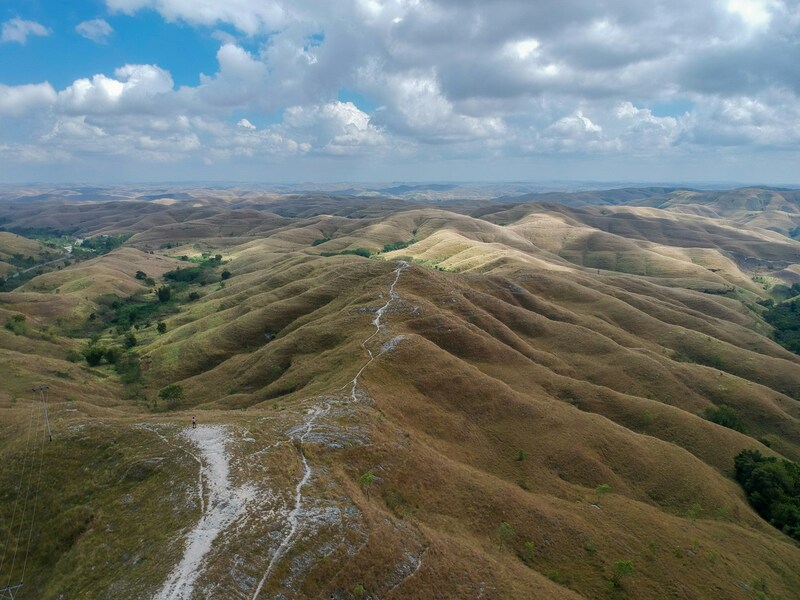
Sumba (East Nusa Tenggara)
Famous for its traditional villages, rolling savannahs, and dramatic coastline, Sumba offers a raw, off-the-beaten-path adventure. The island is also home to luxury eco-resorts like Nihi Sumba, often ranked among the world’s best. With the island being easily reachable via a one-hour flight from Bali (Tambolaka or Waingapu), some of the highlights that the island has to offer include Weekuri Lagoon, Ratenggaro village, surfing, and the Pasola festival.
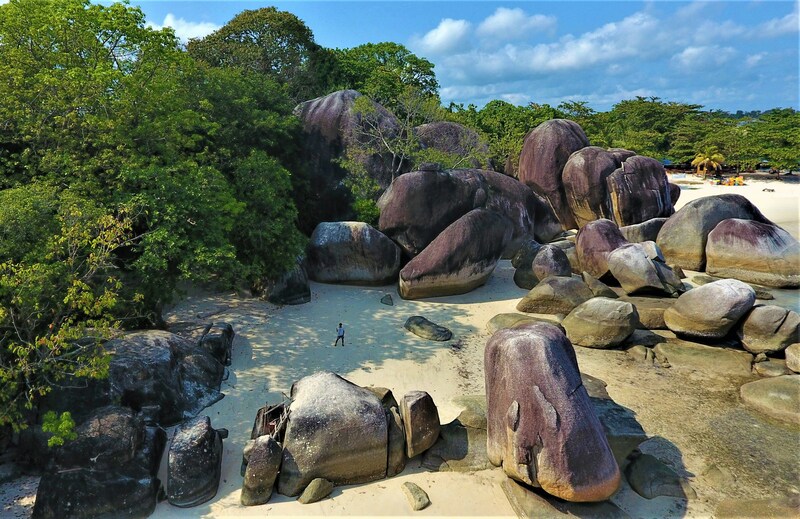
Belitung (Sumatra)
With giant granite boulders, clear turquoise waters, and powdery white sand beaches, Belitung is a paradise for photographers and beach lovers. It’s also steeped in heritage from Dutch colonial days. The island, at one point in the 2000s, reached its peak popularity thanks to the Indonesian film Laskar Pelangi (2008), in which the island served as the film’s backdrop and setting. Tourists could visit the island via an approximately one-hour direct flight from Jakarta. Some of the island’s highlights include Tanjung Tinggi Beach, which is located on the northern side of Belitung.
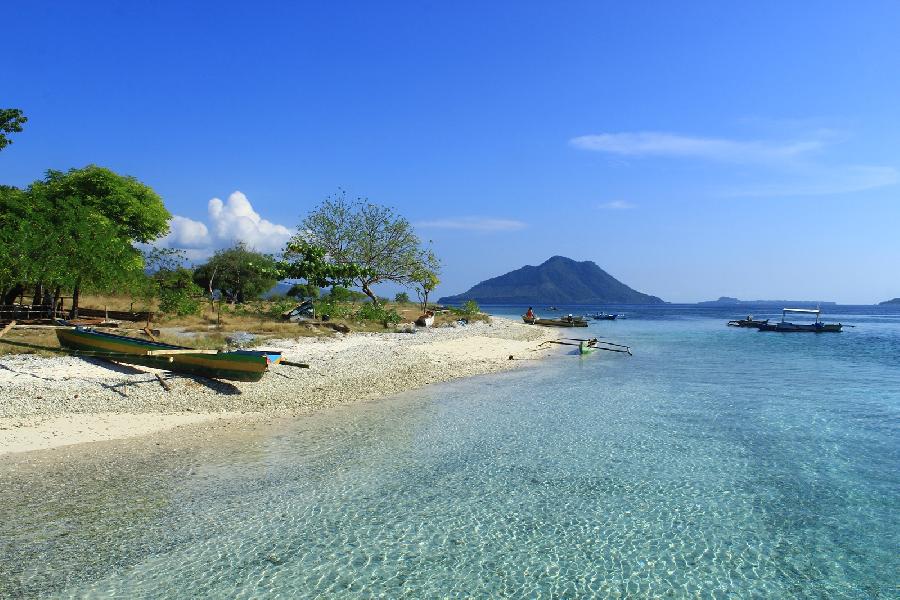
Alor (East Nusa Tenggara)
A diver’s paradise, Alor boasts pristine reefs and some of the clearest waters in the Coral Triangle. On land, it is rich in traditional culture and dramatic volcanic landscapes. So far, Alor has been known for Kalabahi dive sites, Takpala traditional village, and panoramic volcanic peaks. Fun fact: The culture and languages of Alor have been greatly influenced by Papuan and Polynesian traditions. Indigenous tribes can be found in Alor, along with over 15 different traditional languages. The majority of the inhabitants are Protestants or Muslims, while a minority is Catholic or Animistic.
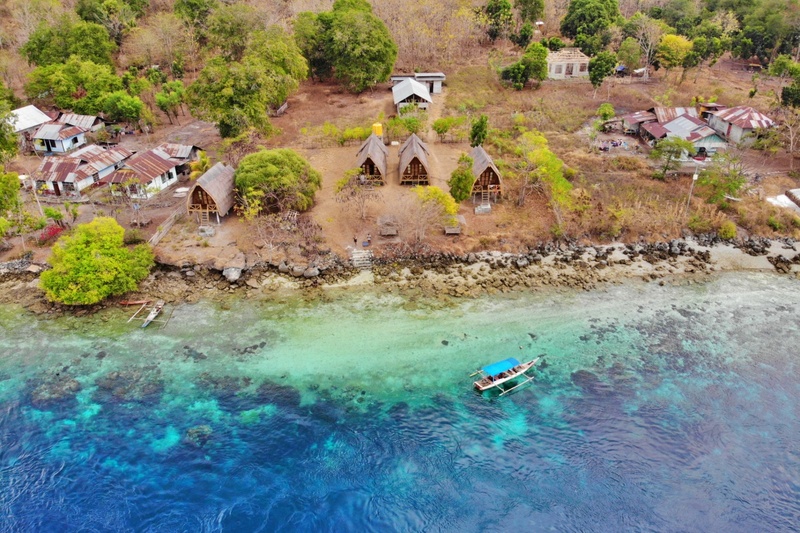
Kepa Island (Alor, NTT)
A micro-island off Alor, Kepa is known for its eco-resort lifestyle, excellent snorkelling, and total disconnection from the outside world. There are no cars, no roads—just sea and stars. If travellers are in the mood for coral reefs, rustic bungalows, and eco lodges, perhaps Kepa is a destination worthy of consideration. This tourist attraction takes about 10 minutes by motorboat from the small pier on Alor Island. Besides its clear blue waters, Kepa offers stunning panoramic views of green hills, white sand, and a mesmerising underwater world.
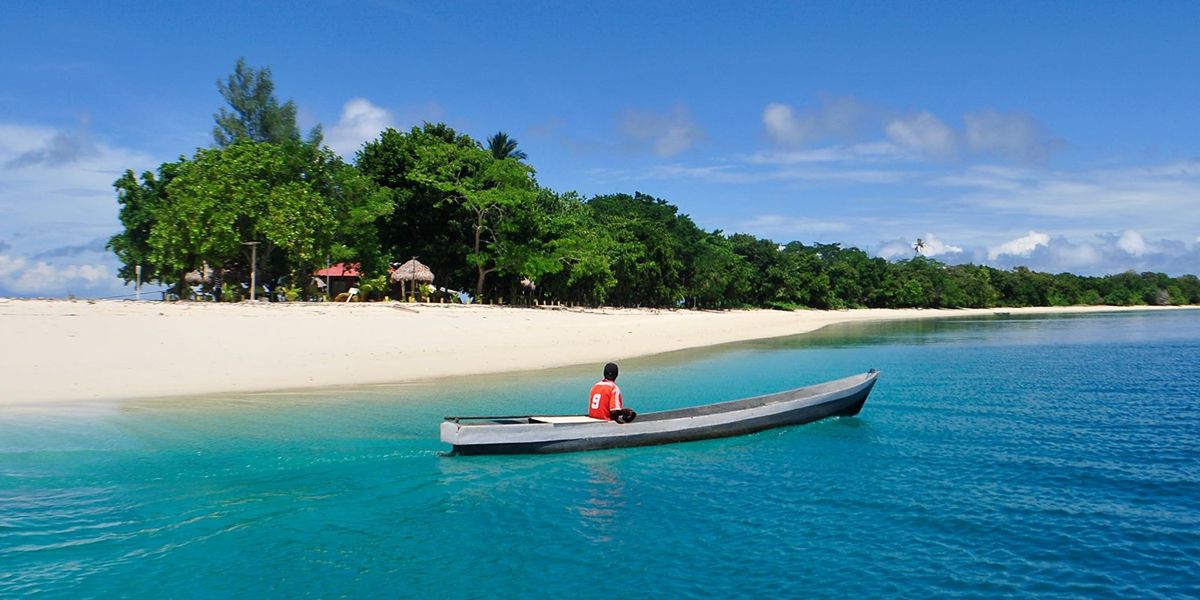
Morotai (North Maluku)
A remote and historically rich island, Morotai played a strategic role during the Second World War, with some of the war’s relics also serving as a tourist attraction in the modern era. One of those relics is Air Kaca (Glass Water): a vital water source for US troops during the Second World War, which was frequently used by General MacArthur. Today, however, the island offers peaceful beaches, dive spots, and a sense of serenity few places can match. Some of the natural spots worth visiting are the Bunga Kokota Waterfall and Rorasa Beach.
Wakatobi (Southeast Sulawesi)
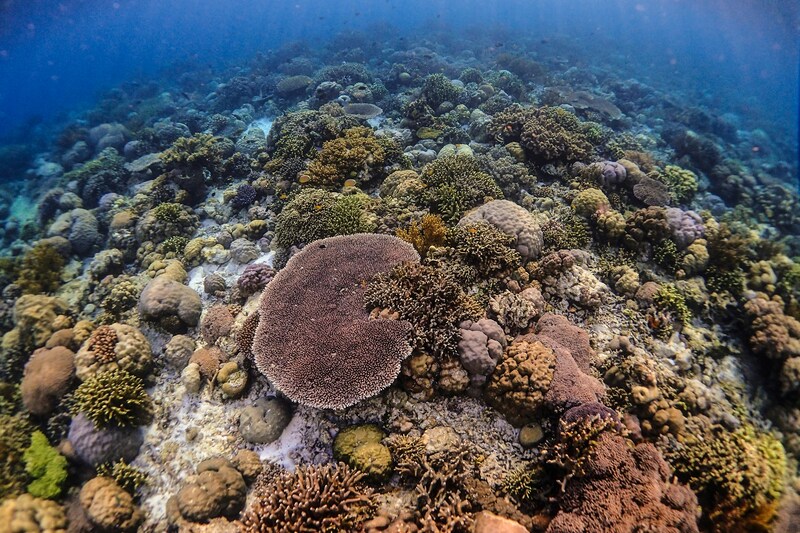
Wakatobi is a dream for divers, often ranked among the world’s top underwater destinations. The protected marine park is home to spectacular coral reefs and over 750 fish species. Recently, the island has been noted by consummated travellers as the go-to destination for diving, snorkelling, as well as marine conservation efforts. Furthermore, thanks to its proximity to Bali Island and the larger Sulawesi Island, Wakatobi should be worthy of consideration for travellers currently preparing an itinerary for a multiple-island-hopping adventure.
Kei Islands (Maluku)
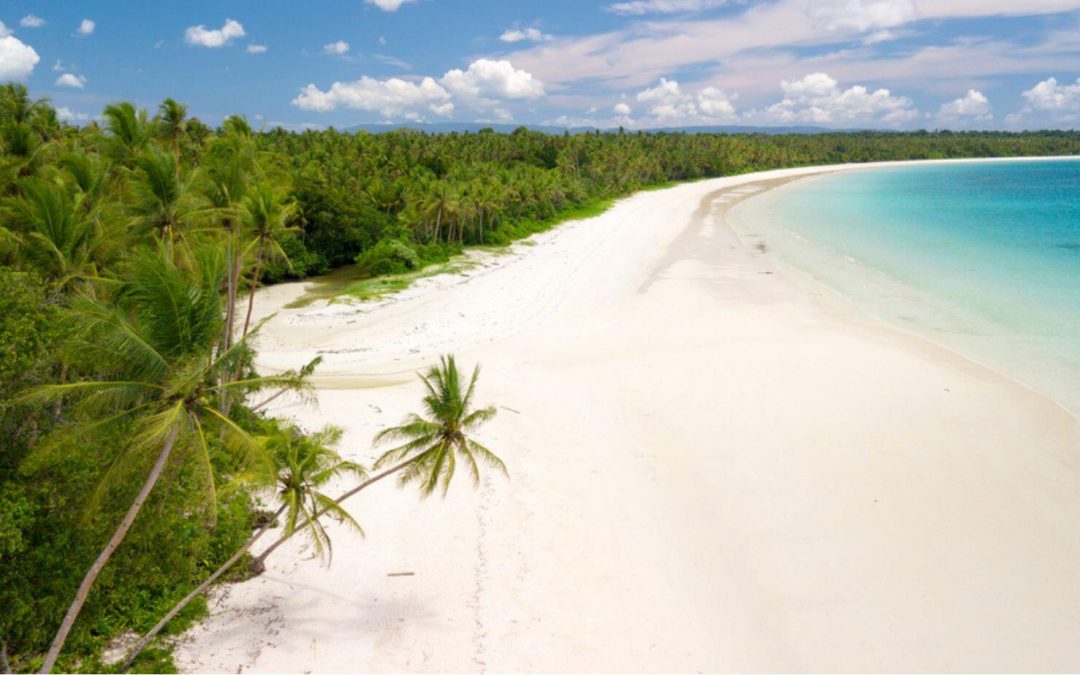
White sand beaches that rival the Maldives, crystal-clear water, and few tourists—Kei is the best-kept secret even among Indonesians. Kei Islands can be reached via aircraft from Ambon or Makassar. Fun fact: Unlike other locations, on the Kei Islands, during low tide in October and November, the beaches become incredibly expansive as the water recedes hundreds of metres into the ocean. This allows marine life normally hidden by water to be seen with the naked eye. Even two islands separated by the sea can be reached on foot. Furthermore, some fisheries operate in unique and traditional fishing methods.
Bawean (East Java)
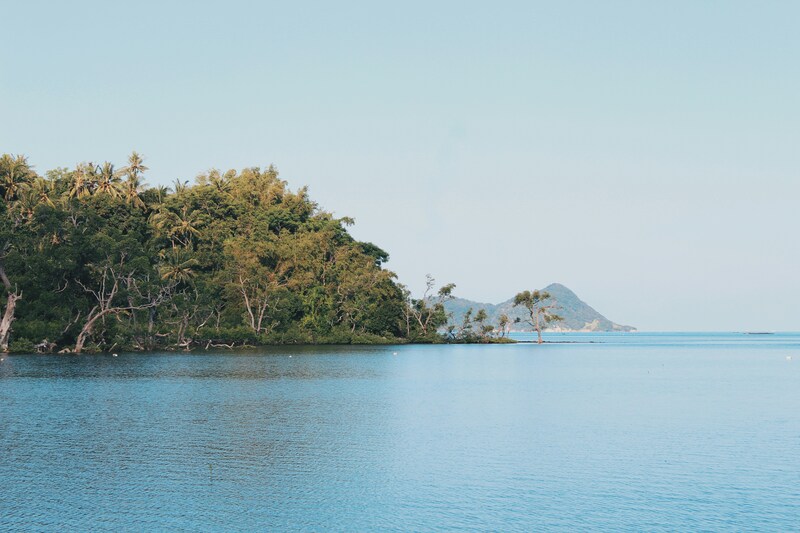
Located in the Java Sea, Bawean is a peaceful island known for its lush hills, friendly locals, and endemic deer. It is a great option for a nature-based escape close to Java, reachable simply by a ferry ride from Gresik. Several natural attractions on the island include Tanjung Gaang, Kastoba Lake, the Bawean Deer Sanctuary, and Laccar Waterfall. Visitors could also hop to the neighbouring Gili Island, the latter is also heralded for its captivating, natural charm. It should also be noted that, typically, people choose to travel by sea to Bawean between March and November. This is because December and February are characterised by relatively high waves and strong winds.
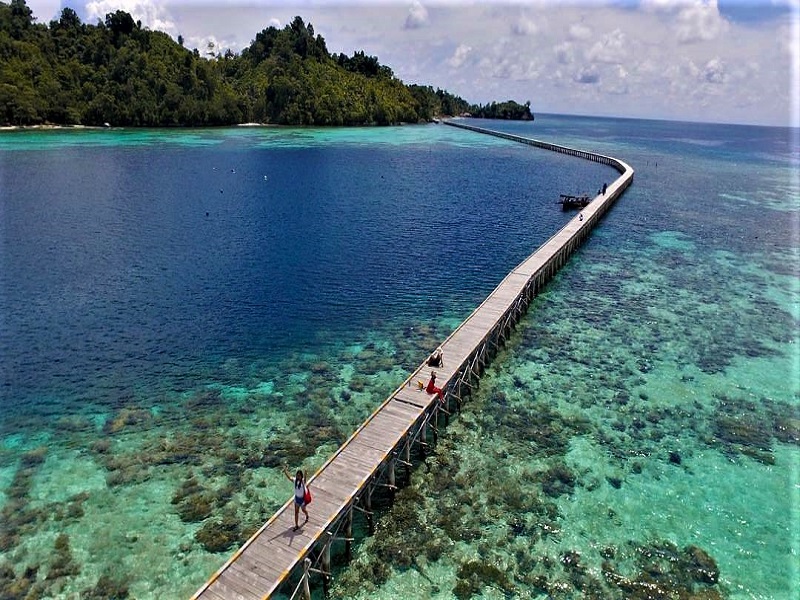
Togean Islands (Central Sulawesi)
A true tropical paradise, the Togean Islands are accessible only by ferry from Ampana or Gorontalo, which keeps mass tourism away. The reefs are teeming with life, and the island communities are warm and welcoming. In the Togean Islands, tourists can enjoy various aquatic activities such as diving, snorkelling, and fishing. They can also explore the natural forest by trekking on Malenge Island, checking out Mount Colo on Una-una Island, and visiting the Bajo settlement in Kabalutan. Fun fact: The Togean Islands are a coral reef ecosystem that forms a vital part of the Coral Triangle, hence boasting one of the highest levels of coral reef diversity in the world.
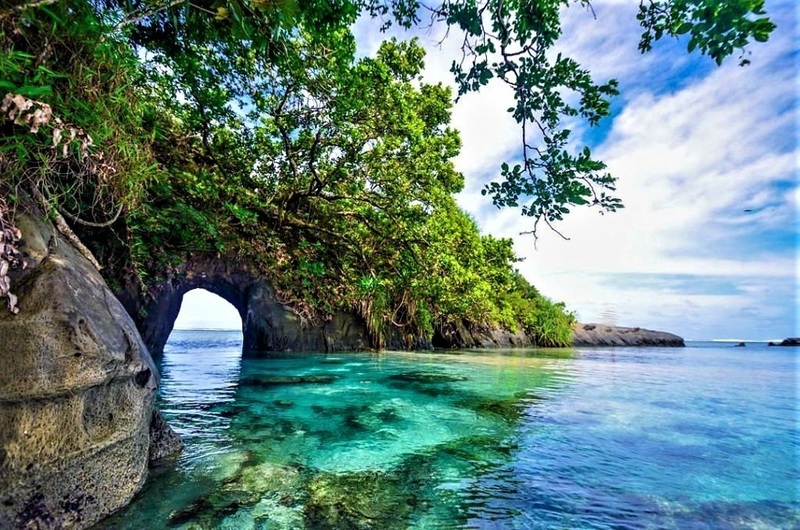
Enggano Island (Bengkulu, Sumatra)
One of Indonesia’s most remote islands, Enggano is rugged, lush, and inhabited by indigenous tribes. It is relatively hard to reach, as it is usually only reachable by boat from Bengkulu — and that particular mode of transport is also dependent upon the determined schedule. However, for the passionate adventurers out there looking for the beauty in relatively uncharted territories, the reward is unparalleled solitude and biodiversity. Enggano offers a natural haven for birdwatching, surfing, and even jungle trekking. Due to the island’s remoteness, the Bengkulu Provincial Government is currently working hard to improve the transport infrastructure connecting the province to Enggano.


