Why Digital Nomads Are Starting To Flock To This Laid-Back Beach Town In The Mexican Pacific
5 min readFor years now, Tulum has held on tight to the title of Digital Nomad Capital of Mexico:
Known for its powdered-sugar white sands, historic ruins, and most importantly, a well-established expat scene, it has historically been the preferred destination for remote workers eyeing a relocation south of the border.
However, with the rising cost of living in Tulum, driven by a rapid dollarization of the local economy, ongoing gang activity, and week-round riotous party scene, some of the peace-loving, crowd-wary visitors have started to look westward for their ‘anywhere office’.
There’s now a far more laid-back beach town in the Mexican Pacific, over 2,100 miles away from the Mayan Riviera, rising fast in popularity within nomad circles, and we’re not sure about you, but we didn’t see this one coming:
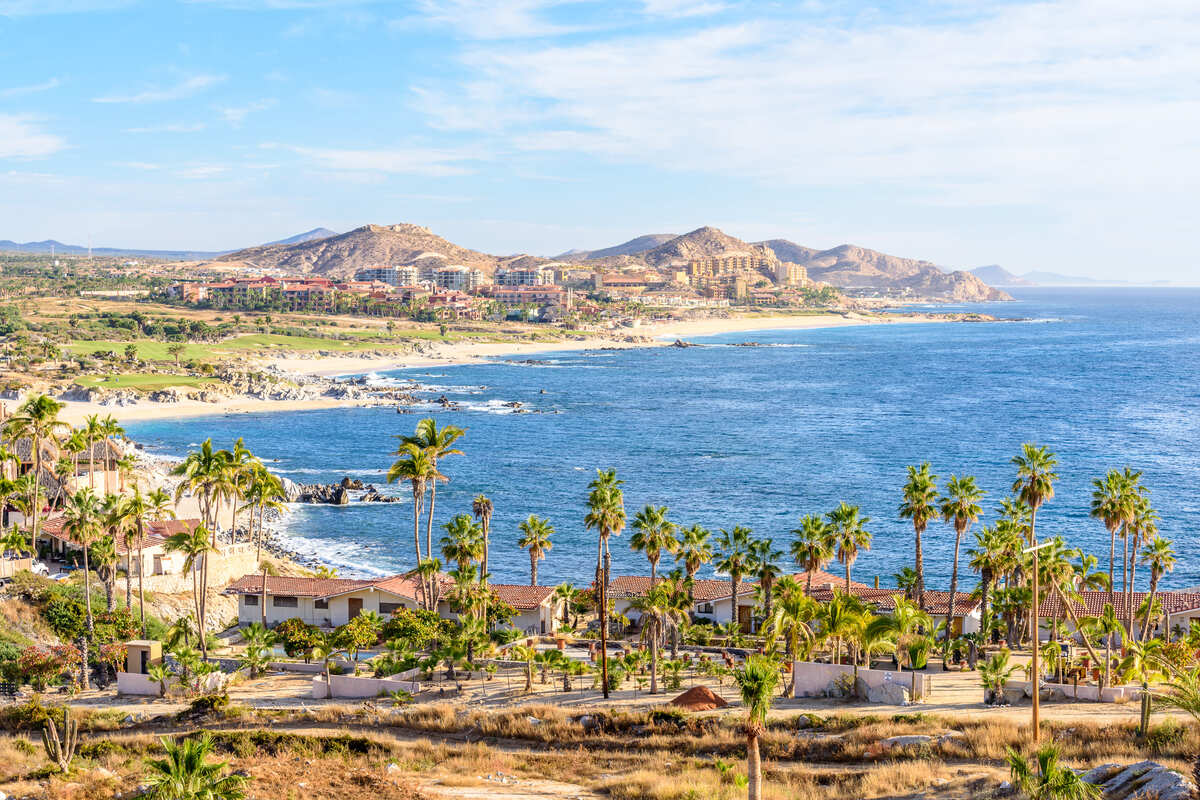
San Jose Del Cabo Is Mexico’s Next Nomad Haven
Los Cabos is one of Mexico’s hottest vacation destinations, famous for its luxury resorts, breathtaking natural beauty, and vibrant food scene. But while it shines as a getaway spot, it hasn’t quite evolved into a true digital nomad hub, and here’s why.
Unlike other conurbation areas in Mexico, that have diversified their economy beyond tourism, Los Cabos’ primary source of foreign revenue is its Hotel Zone.
In reality, we’re talking about two distinct municipalities that form the wider ‘Los Cabos’ area: Cabo San Lucas, and San Jose Del Cabo. They’re both located at the very tip of the Baja California peninsula, with 20 miles of unruffled golden sands between them.
This coastal stretch is dotted with luxurious listings, most notably Grand Velas Los Cabos, routinely voted one of the best hotels in the country, the ‘barefoot luxury’ One&Only Palmilla, and many more.
As a rule, it’s mostly short-term tourists who are drawn to Los Cabos. After all, beachfront condos average $2,000–$5,000 per month, or higher, and the cost of dining, and even buying groceries, is often marked up.
Despite all the cons, one of the ‘two Cabos’ is slowly, but surely becoming a promising workcation center, as noted by the Cabo Sun:

Better Connectivity
One of the biggest complaints among nomads who have spent time in the Mexican Capes is the suboptimal internet speed.
Unless you’re paying thousands-of-dollars-a-night to stay in a five-star resort, chances were that, up until very recently, you would have struggled with continuous internet usage across certain parts of Los Cabos, lower streaming quality, and so on.
As the Cabo Sun reports, there’s been a significant upgrade in connectivity in san Jose in particular, since fiber optic internet has been implemented in suburban zones, away from the tourist-dominated Hotel Zone.
This means that, if you’re booking an AirB&B in the residential part, you won’t be dealing with constant disconnections during those crucial Skype calls as often.
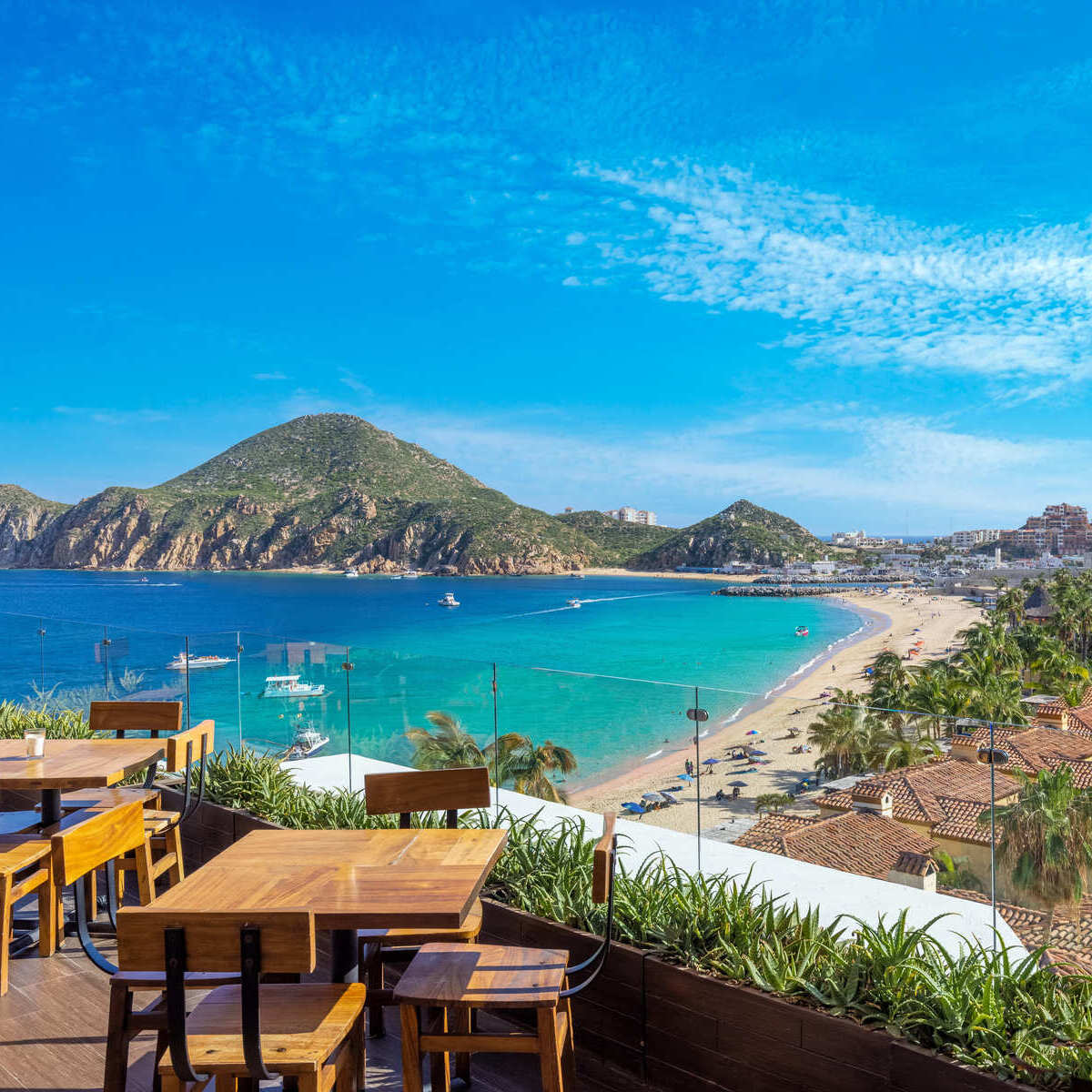
Mexico’s Wellness Capital
Additionally, San Jose is reinventing itself as a wellness hub first and foremost. That’s not to say Cabo San Lucas is reserved for partying and the usual hustle and bustle that comes with Mexican resort towns, but there’s no doubt the former feels a lot calmer, and more laid-back.
The Capes as a duo are already known as the Wellness Capital of Latin America, but San Jose in particular has a plethora of yoga studios, sure to appeal to practicing nomads, massage centers away from the overpriced resorts, and cafes serving healthy food.
For brunch in a relaxing atmosphere, we love Pezgallo. If you’re planning on catching up with some work, Gloria Jeans Coffee, right on Plaza Pescador, has the most stable Wi-Fi connection.
Finally, for that after-work hours cold brew, the American-friendly The Breakdown is our go-to spot. Located on the popular Plaza Villa Valentina, just off the highway near the start of the Hotel Zone, it’s a trendy meeting point for expats based around the downtown area.

Historical Charm
Speaking of downtown, part of the reason why San Jose is proving to be a far better fit for nomads out of the two ‘Cabos’ is its revitalized Historic Center.
Though the Capes are nowhere near as old as some other Mexican cities, that date all the way back to the 16th century, they did start as tiny fishing ports in the 19th century, and the historical appeal has not been fully lost.
The center is dotted with storied buildings with brightly-painted facades, pedestrian-friendly walkways adorned with lights and colorful flags, galleries owned by local artists, and it even hosts a farmers market!
Definitely don’t expect to find one of those soaring Baroque cathedrals, or a maze of cobbled streets that look as if they could belong somewhere in Southern Europe—it’s not that kind of place, but it has its own charm.

It’s Not Cheap… But It Has Gorgeous Beaches. And It’s Safe!
The affordability factor, or lack, thereof, isn’t something that exactly works in San Jose’s favor. It may be slightly cheaper to live in than the party-centric, resort-packed Cabo San Lucas, but it’s still an upper-class workcation destination.
On average, you’ll be spending $3,530 per month, which is not all that different from life north of the border.
The big draw, on the other hand, is the proximity to nature and stunning beaches within easy reach of town. From Playa Palmilla, the most tourist-friendly beach in Los Cabos due to its shallow, swimmable waters, to the epic waves at Costa Azul, it is a beach lover’s paradise.
Safety is another big plus:

The Baja California peninsula may have a reputation for being a hotspot for crime, but Cabo is located in Baja California Sur, a state within the wider region that is recognized by the U.S. Government as being safer.
The twin towns’ geographical isolation, at the very tip of the peninsula, over a thousand miles from places like Tijuana and Mexicali, and the noticeable police presence, particularly along the highways leading to it, all contribute to the greater sense of security.
In sum, it may be on the pricier end, but to some, these perks far outweigh the higher living costs.
As an American, you can reside in Mexico under a tourist visa for up to 180 days at a time.
This means that, if your plan is to relocate to San Jose del Cabo permanently, or simply stay a little longer (say, one or two years), you will need a long-term resident visa.

The Travel Off Path Advantage: Your Travel Toolkit
Subscribe To Our Latest Posts
Enter your email address to subscribe to Travel Off Path’s latest breaking travel news, straight to your inbox.


