This Mexican Destination Ranked the Most Crowded in All of Latin America
3 min readA new report has revealed the most tourism-dense destination in Latin America, welcoming an astonishing 43 visitors for every local resident. The findings come from The Latin America Tourism Density Index: Ranking Destinations by Visitor-to-Resident Ratios, a new regional analysis examining how tourism impacts communities across 17 countries. The study analyzed 50 of Latin America’s top destinations using data from 2023–2024, including visitor arrivals, port statistics, and census data. The goal: to understand which places experience the most pressure from […]
The post This Mexican Destination Ranked the Most Crowded in All of Latin America appeared first on Traveling Lifestyle.
A new report has revealed the most tourism-dense destination in Latin America, welcoming an astonishing 43 visitors for every local resident. The findings come from The Latin America Tourism Density Index: Ranking Destinations by Visitor-to-Resident Ratios, a new regional analysis examining how tourism impacts communities across 17 countries.
The study analyzed 50 of Latin America’s top destinations using data from 2023–2024, including visitor arrivals, port statistics, and census data. The goal: to understand which places experience the most pressure from tourism relative to their local populations.
According to the report, Cozumel tops the list, followed closely by Tulum (Mexico), Punta Cana (Dominican Republic), Punta del Este (Uruguay), Cancún (Mexico), and El Calafate (Argentina). The results highlight Mexico’s dominance in the region’s tourism scene, with four of the top five most crowded destinations located within its borders.
Cozumel: The Cruise Ship Capital of Latin America
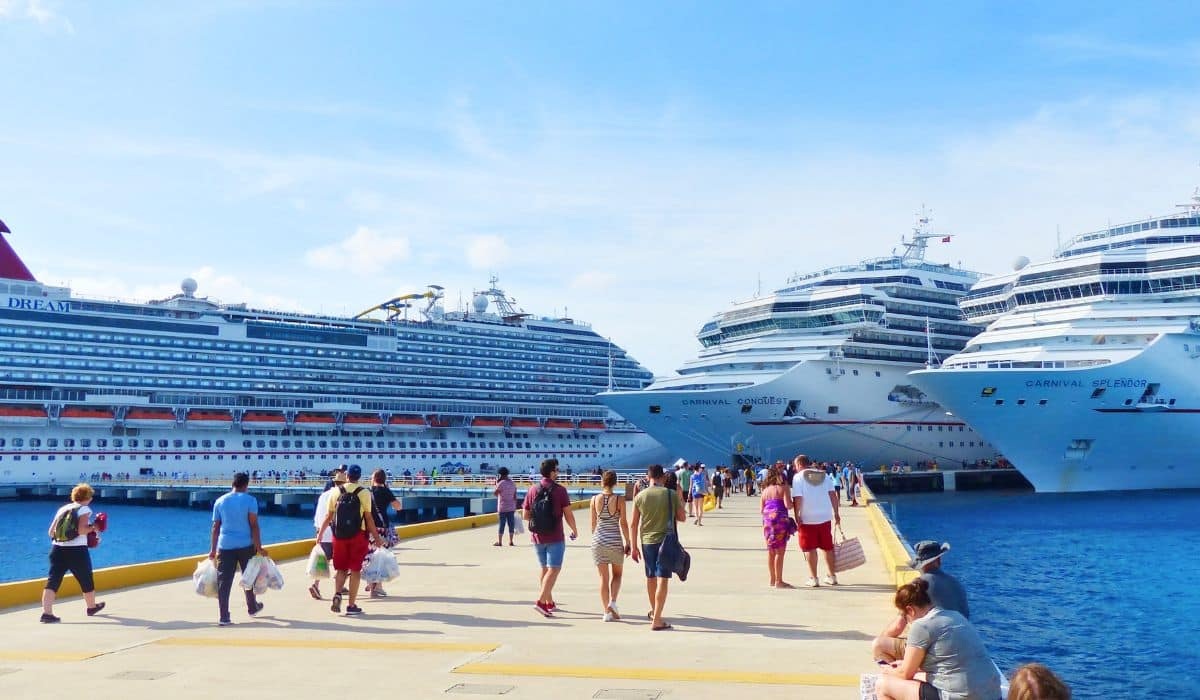
Cozumel’s incredible ratio — 43.45 tourists for every resident — is largely due to its role as one of the world’s busiest cruise ship ports. Located off the coast of Mexico’s Yucatán Peninsula, this Caribbean island welcomes millions of cruise passengers each year who visit for just a few hours to snorkel, shop, and enjoy the beaches.
According to port data, Cozumel received nearly 5 million visitors in 2024 alone — an extraordinary number for an island with just over 100,000 residents. While the influx has boosted local businesses and created thousands of tourism-related jobs, it has also raised concerns about sustainability, over-tourism, and infrastructure strain.
Locals and environmentalists have voiced growing worries about coral reef degradation, waste management, and congestion in the island’s small downtown area. Yet, for many visitors, Cozumel remains a picture-perfect Caribbean escape.
What Visitors Think About Cozumel
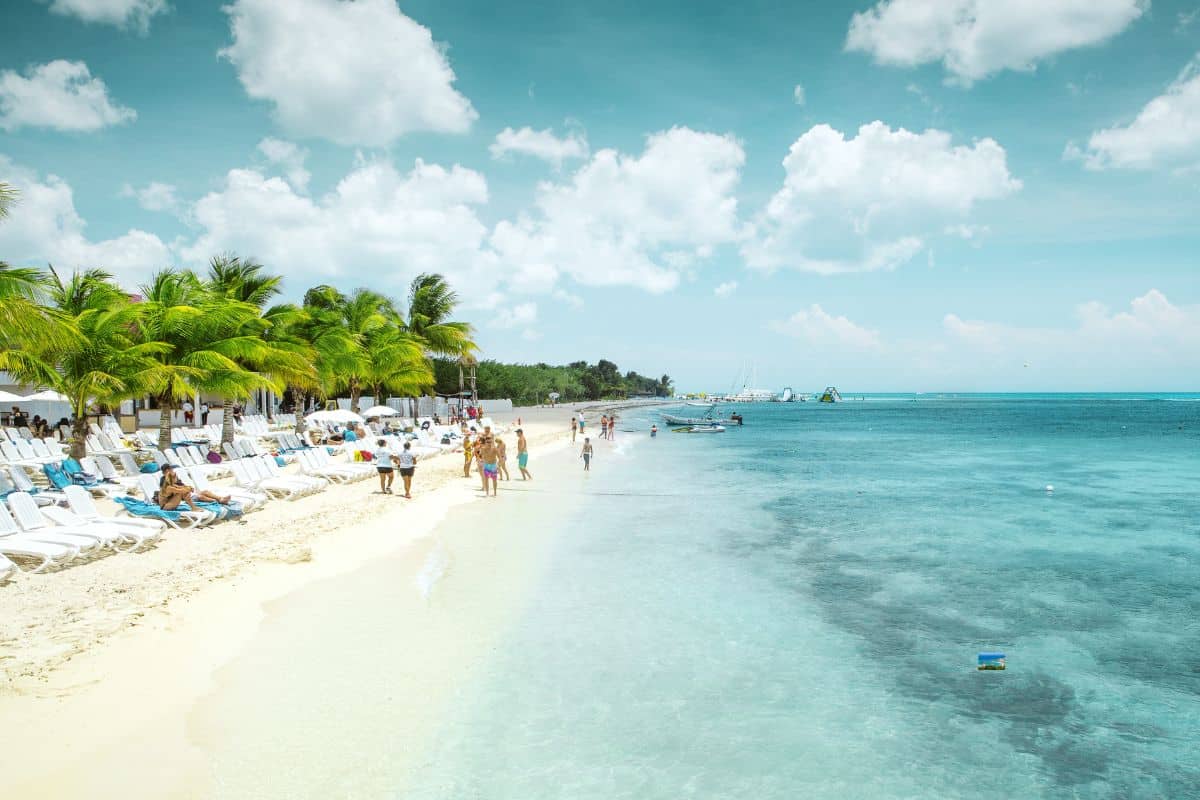
Despite the concerns about overcrowding, Cozumel continues to earn glowing reviews from travelers around the world. Many visitors highlight its crystal-clear waters, marine life, and relaxed island charm.
On TripAdvisor and Google Reviews, recent tourists have shared their impressions:
“Cozumel was absolutely stunning — the water is so clear you can see fish from the pier! It’s busy when the cruise ships arrive, but still feels safe and welcoming.” – Sarah L., USA
“Yes, it gets crowded, especially downtown around the cruise terminal, but once you rent a scooter and head to the east side of the island, it’s peaceful and beautiful.” – Daniel P., Canada
“The snorkeling was the best I’ve ever experienced. The reefs are alive with color, and the locals were incredibly friendly. Just go early before the cruise crowds come in.” – Lucía G., Argentina
Others, however, mention the growing challenge of managing so many visitors:
“Cozumel is gorgeous, but it’s turning into a theme park when multiple cruise ships dock. I wish there were limits to protect the island’s charm.” – Marco R., Italy
A Regional Picture of Overtourism
The Latin America Tourism Density Index paints a broader picture of uneven tourism growth across the region. While destinations like Cozumel, Tulum, and Punta Cana are reaching extreme visitor-to-resident ratios, major urban centers such as Bogotá, Lima, and Buenos Aires host relatively few tourists compared to their populations — fewer than three visitors per resident.
The study’s authors note that these disparities underscore the need for sustainable tourism planning, especially in small coastal communities that depend almost entirely on tourism income. As Latin America continues to attract global attention for its natural beauty and cultural diversity, finding balance between growth and preservation will be key to maintaining both visitor satisfaction and residents’ quality of life.