Digital Nomad Visa Countries: All Remote Work Visa Options 2026
40 min read
29th January, 2026 in
Studying & Working Abroad –
Remote working has become commonplace, and the number of digital nomads has increased following the pandemic. However, before you go packing your bags for sunnier or snowier climes, it may pay to know which countries require a digital nomad visa. Entry and employment laws in many countries can be complex, especially if you plan to work during your stay. Some countries may request that you hold a work permit, while others may say that your tourist visa only allows you to stay for a few weeks.
Luckily, numerous countries are now open to the idea of welcoming digital nomads and have created specialist visas that allow you to stay for longer and continue working. In many cases, applicants must also show proof of income, accommodation, and digital nomad health insurance to ensure they’re covered while living and working abroad.
Looking to move abroad and work remotely? Read on to see where a digital nomad visa could be the gateway to a new life in a new country.
What does digital nomad mean?
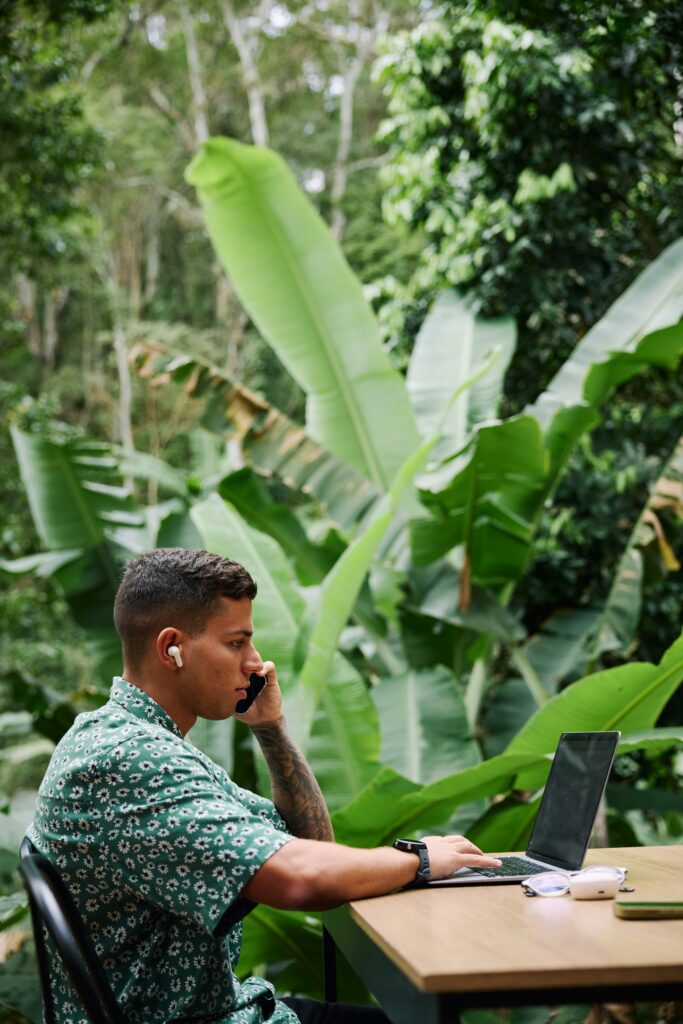
A digital nomad is someone working remotely in a country other than their own. They can be working for themselves or for a company from back home, whilst living abroad. Equipped with a laptop and an internet connection, the office or creative space moves with them, enabling new and enriching experiences.
With flexible working arrangements becoming more acceptable, the number of people working abroad has risen exponentially. Data from Statista published in December 2025 found that in the USA alone, the number of digital nomads in 2024 had increased by a huge 148% compared to 2019. Globally, it’s been estimated that there are currently between 40 million and 50 million digital nomads earning a living this way.
What does digital nomad mean?
What is a digital nomad visa?
You can think of a digital nomad visa as your right to be in a specific country and continue working for yourself or your employer from back home. Compared to tourist visas for short periods or permanent visas that allow the holder to remain in the country indefinitely, digital nomad visas permit a stay of a specific length (months to years depending on the country) whilst remaining employed elsewhere. They don’t, in most cases, grant citizenship or permanent residency, and you must work remotely and will not be eligible for local employment.
They may also include caveats, such as a minimum income or level of health insurance coverage. In some cases, they are also strictly limited in number, meaning some countries high on your list of priorities may not always be reachable just yet.
Which countries offer digital nomad visas?
An increasing number of countries now offer digital nomad visas. Some countries may refer to them by another name, but fundamentally, it’s the same thing. Below, you’ll find a quick glance table showing all the countries by continent that offer digital nomad visas, and then a little further down, we’ll dive into each with a little more detail.
You’re welcome to browse this blog in its entirety or be transported to the continent of your choosing by selecting one of the buttons below. Also, each country in the tables throughout this blog also have clickable links for more information.
Digital nomad visas Europe
Digital nomad visa Spain
- €75-€100 application costs
- 1 year validity with option to extend
- Minimum income of at least double the minimum wage
Spain has always been a welcome holiday destination. The sunny weather, combined with the beautiful countryside and bustling cities, makes it a country that appeals to many.
For those looking to work in Spain as a digital nomad, you’ll need to meet some criteria before applying.
- Must have at least 3 years of experience in your current field of expertise OR have an undergraduate or postgraduate degree from a University, College, or Business school
- You will only be working remotely for an overseas employer unless self-employed
- Have been in your current employment for at least 3 months or show a contract of the same length if self-employed.
- Must hold a private medical insurance policy
This Spanish digital nomad visa lasts for one year and can be renewed or extended by applying for a residence permit. You can bring close family too, meaning a spouse or your children can stay in Spain with you. If you are self-employed, you’ll also be allowed to work for Spanish clients as long as this work doesn’t exceed 20% of your total employment.
Portugal digital nomad visa
- €75-€95 application costs
- Validity of 1-2 years, depending on visa type
- Minimum monthly income of 3,680
Portugal, like Spain, is a popular choice for digital nomads and since introducing the D8 visa, more remote workers are calling Portugal their temporary, and in some cases, permanent, home. Low rejection rates, a pathway to permanent residency, and, of course, access to an excellent healthcare system in Portugal make becoming a digital nomad in Portugal all the more attractive.
Open to non-EU/EEA or Swiss nationals, the D8 visa in Portugal requires applicants to provide a clean criminal record and have proof that their income exceeds €3,680 per month. Families are eligible to join you if applying for a long-term residency visa, but are not when you choose the short-term option available on the D8 visa. Health insurance will also be required before a digital nomad visa for Portugal will be granted.
- Must be over 18
- Need to provide proof of employment
- Have accommodation organised
- Hold a valid passport
Italy digital nomad visa
- Application cost £100
- Valid for one year with option to renew
- Minimum annual income of £22,140
The country of romance, history, football and opera is just as popular with digital nomads as it is with tourists, and thanks to the introduction of the digital nomad visa in Italy, more remote workers are immersing themselves in the wonders of Italian culture.
It can be quite a complex process to apply for a digital nomad visa in Italy, and you’ll need the following to apply:
- Proof of income and employment
- Valid health insurance for at least the duration of your stay
- At least 6 months of relevant work experience
- An address in Italy
- A valid passport with at least 3 months remaining on it after your return from Italy
Greece digital nomad visa
- Application cost €75
- Valid for 1 year but extendable if the criteria are met
- Minimum monthly income of €3,500
Greece is famed for its history and warm weather, and if you want to enjoy it for longer than on a holiday, why not spend time working remotely from Athens, Rhodes, Crete, or Thessaloniki? The digital nomad visa in Greece is among the most popular in Europe. This is largely due to the lower cost of living compared to many other countries, favourable tax rates, and the fact that you can include your family on your application. We’ve covered the key facts about the digital nomad visa for Greece in our guide, but in a nutshell, the key criteria for an application are outlined below:
- Have proof of remote employment or self-employment
- Proof of earnings
- Be a non-EU citizen
- Health insurance to cover the duration of your stay
- An ACRO police/criminal record certificate
- Proof of accommodation
Croatia digital nomad visa
- Application cost of €80-€100
- Valid for up to 18 months
- Minimum monthly income of €3,295 per month or savings to last the stay
Croatia is an increasingly popular destination for holidaymakers and digital nomads. With a specialist visa introduced in 2021, digital nomads can live and work in Croatia for up to 18 months. You won’t be allowed to work for a Croatian employer and will need to be from outside the EU/EEA to be eligible. Family members are also permitted entry to Croatia on your visa.
With the history of Dubrovnik and the lively atmosphere of Zagreb, Croatia offers a perfect fusion for digital nomads to immerse themselves in. Some of the key eligibility requirements include:
- Must not be an EU/EEA citizen
- Be working for a country outside of Croatia
- Have proof of income or sufficient savings
- Have private health insurance
- Have an address in Croatia where you’ll be living
- Hold a criminal record certificate
Malta digital nomad visa
- €300 application fee
- Valid for up to three years
- Minimum annual income of at least €42,000
The digital nomad visa in Malta, known as the Malta Nomad Residency Permit, provides non-EU remote workers with the legal right to live and work in the country. Employment must be held with a company outside Malta, and if you can prove your earnings and meet the criteria, you can enjoy the idyllic Maltese landscape and warmer weather for anything from 12 months up to 3 years.
Some nationalities are currently forbidden from obtaining a Malta Nomad Residency Permit, with those from Afghanistan, North Korea, Iran, the Republic of Congo, Somalia, South Sudan, Sudan, Yemen, Venezuela, Russia and Belarus all banned from this type of visa.
Criteria for a successful Malta Nomad Residency Permit application include:
- Be a non-EU/EEA/Swiss national
- Be employed by a company/companies from outside Malta
- Have proof of accommodation in Malta
- Hold medical insurance covering Malta & the EU for at least 1 year
- Have a police criminal record certificate from your home country
- Have completed a Maltese background check
Germany’s digital nomad visa
- €75 application fees
- Valid for up to 3 years
- Minimum income of at least €9,000 per year
Germany is a European country where people want to be! In fact, in 2023, it ranked as the third most popular European destination for digital nomads. Whether it’s the vibrancy of places like Berlin and Munich or the quiet serenity of Sipplingen and Schiltach, the country oozes appeal for digital nomads seeking variety.
Germany doesn’t, in fact, provide a digital nomad visa. Instead, it offers freelance visas, known as Freiberuffler. You’ll start with a freelancer entry visa, eligible for 3 months, but this will need to be upgraded to a freelancer residence permit upon arrival in Germany. Once granted, your entry visa is invalid, but the residence permit will see your permitted stay increase to 3 years.
Just like with the countries that hold specialist digital nomad visas, the German equivalent has specific criteria, including:
- Must have proof of health insurance
- Have a legal address in Germany
- Provide proof of work with German clients
- Proof of income of at least €9,000 per year
- Proof of a retirement plan if aged over 45
Montenegro digital nomad visa
- Application fees of €67
- Valid for 2 years with the option to extend to 4
- Income must be at least 3 times the national minimum wage
Montenegro often flies under the radar, but with stunning coastlines, rugged mountains and a low cost of living, it is no surprise that it has been a digital nomad hotspot. Introduced in 2021, “The Program for Attracting Digital Nomads in Montenegro” has proven to be extremely popular. Much like other digital nomad visas, you won’t be able to work for a company that is based in Montenegro, but you will be allowed to bring family members with you.
The application process can be long, but if you are granted a visa, you can enjoy a stay in Montenegro for 2 years, and possibly 4 years should you extend. You may be deemed a tax resident if you stay for more than 183 days, so before applying, consult a financial advisor for full clarity.
Application criteria for the Montenegro digital nomad visa include:
- Have private health insurance for the duration of your stay
- Proof of accommodation within Montenegro
- A criminal record certificate
- Proof of earnings
- Confirmation of employment
Estonia digital nomad visa
- Applications fees of €80-€100
- Valid for up to 1 year
- Minimum income of at least €4,500 per month
Estonia is another of those countries that may not leap to the top of any lists when choosing where to base yourself, but perhaps it should. Steeped in history and soaked in culture, Estonia is like strolling through a landscape that you’d have only heard of in fantasy novels.
A digital nomad visa in Estonia allows you to work in the country for a year for a company from outside of Estonia. Family can join you, but each person will require their own visa. Apply by completing an application form, then book an appointment with the nearest visa application centre. Soon after, you’ll be informed if you have been successful. Just like with other digital nomad visas, you’ll need to fulfil specific criteria. These include:
- A health insurance plan for the duration of your stay
- Proof of remote work
- Proof from your home country that you pay tax and social security there
- A valid passport with at least 3 months remaining on it
France digital nomad visa
- Application costs of €99 for Liberale and €225 for talent visa
- Liberale Visa valid for one year, Talent Visa valid for up to 4 years
- Minimum annual income of €20,000
France comes much further down this list than you may have expected. The lure of the Eiffel Tower, the Champs Élysées, Bordeaux vineyards and high-end fashion may be losing a little mystique!
France doesn’t have a digital nomad visa. Instead, there are a variety of options. The Profession Liberale Visa is the most common option for digital nomads. Apply to validate the visa within 15 days of arrival, and you’ll be able to enjoy the French lifestyle for up to a year. The Talent Passport Visa is another option and can grant multi-year residence, although you need at least €30,000 ready to invest to be eligible. Some of the requirements for an application include:
- Proof of health insurance
- A passport valid for at least six months beyond the length of your stay
- Proof of accommodation in France
- Proof of funds/income
- Criminal record certificate
Cyprus digital nomad visa
- Application fees of €70
- Lasts for 1 year with the option to renew
- Minimum net income of €3,500
Cyprus has so much to offer. Its location allows it to combine European and Asian cultures with a storied history. From ancient ruins to sunny beaches to culinary delights, Cyprus is home to so much for so many.
The digital nomad visa on offer in Cyprus provides non-EU/EEA nationals with the legal right to live and work in the country for one year and can be renewed if the Cypriot lifestyle remains alluring. You’ll need to be working for a company or clients from outside Cyprus, and perhaps surprisingly, you can only apply once you’ve arrived.
It has one of the easiest application processes of all, but with limits of just 500 visas per year, you’ll need to try the following year if the quota has been exceeded. Requirements for the Cyprus digital nomad visa include:
- Proof of income
- Proof of accommodation in Cyprus
- Criminal record certificate
- Evidence of work, such as contracts
- Medical test results
- Confirmation that any family members joining you will not be working in Cyprus
Turkey digital nomad visa
- Application fees of €740
- Valid for one year with option to renew
- Minimum monthly income requirement of $2,506 (approx.)
The digital nomad visa in Turkey is a relatively new offering launched in 2024. Providing digital nomads with the chance to immerse themselves in Turkish culture and bask in the warm weather, it’s a welcome option for those wanting to work somewhere a little more vibrant than their home country.
You can spend a year there, with an option to renew if you wish, but you won’t be able to work for a Turkish company. Most digital nomad visas require you to have accommodation organised in advance. With the Turkish visa, you don’t. This can make the process much easier as you can take care of finding a new home when you are ready. The visa is a little more expensive than most, but unlike others, it includes travel insurance. You may find that your income is taxed once you spend more than 183 days in Turkey, as you’ll be classed as a resident for tax purposes. Some of the requirements for a digital nomad visa in Turkey include:
- Proof of work from your employer or contracts if self-employed
- Be a university graduate
- Be aged between 21 and 55
- Proof of income
Bulgaria digital nomad visa
- Application costs of €250-€300 (total for Type D Visa & residence permit)
- Valid for one year with option to renew
- Earnings of 50 times the minimum Bulgarian monthly wage
Bulgaria is another new addition to the list of countries offering a digital nomad visa. Introduced in 2025, the visa allows holders to live and work in Bulgaria for a year, with the option to renew it for a further 12 months. The Bulgarian government has defined digital nomads under three categories, and if you fall under any, you could apply and find yourself enjoying Sofia, Plovdiv, Varna, Burgas or Ruse sooner than you thought.
You can be a remote worker, employed by a company outside the EU/EEA and Switzerland, a business owner, shareholder or member of a management body, owning at least 25% of a foreign registered company performing your work remotely, or be a freelancer who has provided digital services to foreign clients for at least one year before applying.
Criteria to apply include:
- Proof of financial self-sufficiency
- Proof of accommodation in Bulgaria
- A clean criminal record
- Private health insurance of at least €30,000
Hungary digital nomad visa
- Application fees of approx. €110
- Valid for one year with the option to renew
- Minimum income requirement of €2,000 per month
Hungary has much to offer digital nomads. From the historic Budapest and Debrecen that combine modern living with fabled history, to the quaint villages among tumbling hills, it can be a great base. With a low cost of living, too, you can live considerably better than you probably could back home. The digital nomad visa in Hungary is known as the White Card and is available to anybody working for or managing a non-Hungarian company. Valid for one year with an option to renew, it follows many of the same rules as other digital nomad visas in Europe. However, family cannot be brought with you on this visa, and your earnings must be proven for at least 6 months before you apply. Application criteria include:
- Proof of comprehensive medical insurance
- Proof of accommodation
- A valid ticket for leaving Hungary or proof of funds to buy the required ticket
- Verification of employment confirming you can work remotely
Iceland digital nomad visa
- Applications fees of €72-€80
- Valid for 180 days with no extension
- Monthly income of at least €6,000 (approx) for single applicants and €8400 (approx) if applying with a partner
Iceland’s Long-Term Visa for Remote Workers puts digital nomads in the land of the Northern Lights, ice caps and blasting geysers for up to six months. As with all other digital nomad visas, you’ll have to be working for a company from outside of Iceland or be self-employed with clients from outside the country. Unlike many other visas of this kind, it can’t be extended, but like all others, you’ll have a host of criteria to fulfil:
- Must hold private insurance for the duration of stay
- Provide proof of remote work or self-employment
- Have proof of accommodation in Iceland
- Have a passport issued within the last 10 years and have at least 3 months’ validity after the end of your stay
Romania digital nomad visa
- Application fees of €120
- Valid for six months but can be extended
- Minimum monthly income of €3,634
Romania has a sad but important history, and since the transition from its communist era, it’s become a hotspot for digital nomads. Bucharest can be like walking in a fairytale, and trips to Brasov to see the castle are spellbinding. When it comes to living and working, Romania won’t be found lacking. A low cost of living means your money can go further, and with an eclectic mix of restaurants, an abundance of green space and never-ending sights, you’ll be able to enjoy them all.
This is another visa that doesn’t allow you to bring family members, and as with all digital nomad visas, you’ll need work remotely for a company outside Romania. Some of the criteria for a Romanian digital nomad visa include:
- A reserved flight ticket for your return home
- Proof of an address in Romania
- A criminal record check
- Proof of earnings
- Private health insurance
- Confirmation from your employer that you can work remotely
Serbia digital nomad visa
- Not strictly a digital nomad visa
- Application fees from €50-€67
- Minimum earnings of approx. €5,000 per year
- Duration of up to three years
Serbia has yet to incorporate a digital nomad visa. Instead, a Self-Employment visa is the best option for those aiming to work remotely. Its core focus is on foreign nationals who plan to establish and manage their business in Serbia rather than work for a Serbian employer.
It can be used for a year, but extended to three years, subject to a temporary resident permit being granted. Even though this isn’t technically a digital nomad visa, you’ll still need to prove certain things to be eligible:
- Private healthcare plan
- The stay must be tied to your business activity
- Proof of business ownership
- Sufficient funds to support your time in Serbia
Albania digital nomad visa
- Application fees based on reciprocity
- Valid for one year but can be extended
- Estimated annual income of just over €8,000
Albania, like Romania, is a country on the rise. Having shaken off the shackles of communism, the country has become popular with tourists and digital nomads. From the bustling city life of Tirana to the picturesque Gjirokaster, Albania is bursting at the seams with sights, atmosphere, and coffee! (everywhere you look, someone is drinking one!) Known as the Unique Permit, this visa allows eligible foreign nationals to live in Albania for one year, working remotely for an overseas business or with overseas clients.
Unlike many other visas, where face-to-face interviews are required for your application, all aspects of the Albanian digital nomad visa are completed online. Family members are also eligible to join you, but you’ll need to ensure the following criteria are met to apply successfully:
- Proof of employment or service contracts if self-employed
- Proof of accommodation in Albania
- 12 months’ worth of bank statements
Czechia digital nomad visa
- Application fees of €234 (approx.)
- Valid for 1 year with option to extend
- Minimum monthly income of €2200 (approx)
The Czech Republic is another newcomer to offering digital nomad visas. Introduced in 2023, this long-stay visa was created to target highly qualified IT professionals who wanted to live in the country whilst working remotely. It lasts for up to 1 year, and under certain conditions, family members can join you too.
Applications must be completed at the Czech embassy in your home country, and if successful, you can work in the Czech Republic legally long-term.
As with most other visas, you’ll need to prove your financial security, but you’ll also be required to show that you hold a professional qualification in IT.
Additional criteria for a Czech digital nomad visa include:
- Hold a private health insurance policy
- Proof of accommodation in the Czech Rep
- Have proof of employment or freelance contracts
- Criminal record certificate
Latvia digital nomad visa
- Application fees of €60 (€120 for speedy processing)
- Valid for one year with the option to extend for 2nd year
- Minimum income of €4,213 per month
Latvia, like many countries in this part of Europe, is quickly emerging as a perfect location for digital nomads. From the low cost of living to the beautiful scenery, it’s a transformation from your office and home in London. Famed for its work-life balance and now thriving as a tech hub, it’s becoming easy to see why many people choose Riga over Rochdale.
This visa is valid for one year, with an option to extend it for a second year if you remain eligible. After the two years are up, if Lativa is still captivating you, permanent residency becomes an option. Unfortunately, if you have a partner or children back home, they cannot join you on this adventure as the visa is purely for sole applicants.
You’ll also have to work for a company that is a member of the OECD; otherwise, you won’t be able to obtain the visa.
Requirements for a successful application include:
- Proof of remote work
- Have an international health insurance policy with at least €42,600 coverage
- Proof of accommodation within Latvia
- Valid passport with at least three months’ validity remaining after visa expires
Moldova digital nomad visa
- Application fees of €80-€100
- Valid for one year, can be extended to two years
- Monthly income requirement of €1700 (approx.)
Moldova has only recently joined the vast number of countries now offering a digital nomad visa. Launched in September 2025, this visa is attracting digital nomads to a country where the cost of living is significantly lower than it is in many other nations on the continent. Add in the rustic charm, modern amenities, friendly people and slower pace of life, and suddenly you’ll wonder why you weren’t planning to go sooner.
This visa lasts for one year with an option to renew it for a second year. Stays can be extended to five years if registration is made locally. As with other visas, you won’t be eligible to work for a company based in the country. Some of the key requirements for your application include:
- Must hold health insurance for the duration of the stay
- Have proof of employment with a foreign company
- A clean criminal record
- Proof of accommodation in Moldova
Slovenia digital nomad visa
- Application fees of €50
- Valid for 1 year. Cannot be extended, but can reapply 6 months after expiry
- Minimum income of at least twice the national average salary
The digital nomad visa for Slovenia is another new addition to the growing list of countries adopting this type of visa. Open to non-EU/EEA nationals, this visa allows those working remotely for a foreign country to enjoy all Slovenia has to offer for up to one year. It cannot be extended, but six months after the visa expires, a new application can be made.
One key asset of this visa is that families can travel too, meaning more people get to enjoy the beauty of Lake Bled or the mystical charm of Ljubljana with you.
Among the criteria for being granted a digital nomad visa in Slovenia are:
- Proof of accommodation in Slovenia
- Employment contract or client contracts proving remote work
- Valid health insurance for the duration of your stay
- Criminal record certificate
Digital nomad visa Asia
Thailand digital nomad visa
- Approx fees of €233-€250
- 5-year validity but only for stays of up to 180 days at a time, unless you pay for a further 180-day extension
- No minimum income required, but proof of existing funds is necessary
Thailand was previously quite lax regarding digital nomads. In fact, you could work in the country whilst still on a tourist visa. However, since 2024, things have changed, and now you need the Destination Thailand Visa to remain in the country.
Famed for its laid-back lifestyle, excellent cuisine and stunning architecture, it soon becomes easy to understand why many remote workers opt for Thailand as their base. What’s more, the move from a digital nomad visa to a long-term resident visa is simple, meaning many find themselves granted permission to stay for up to ten years! Just make sure you meet the key criteria below:
- Proof of existing funds (approx. €12,600)
- Proof of accommodation
- Have proof of employment or a professional portfolio showcasing work as a digital nomad
- Hold a comprehensive health insurance policy
- Be at least 20 years of age
Japan digital nomad visa
- Application fees of €16-€35
- Valid for six months with no extension
- Minimum annual income of €56,000 approximately
Japan is often high on many travellers’ wishlists. Its place at the forefront of technology, its history and its incredible mix of countryside living and chaotic city life allow it to hold an allure for people from all walks of life.
In 2024, the country introduced its digital nomad visa. It’s called the Specified Visa: Designated Activities (Digital Nomad, Spouse or Child of Digital Nomad), to give it the full name. Eligible foreign nationals can legally live and work in Japan for up to six months, and like with the similar visas found in Europe, you’ll have to work for a company or have your clients based overseas. It’s one of the cheapest digital nomad visas around at just €16. You can bring your family on this visa, but don’t get too comfortable. After the six months are up, you cannot renew until a further six months have passed.
- Proof of health insurance that includes repatriation
- You must be from one of the 49 nations with which Japan has a double taxation treaty with
- Proof of work for your time in Japan
- Proof of financial stability
Malaysia digital nomad visa
- Application fees of €168-€252 (approx.)
- Valid for 3-12 months with option to renew
- Minimum annual income of €20,242 or €50,600 for non-tech professionals
In Malaysia, the DE Rantau Scheme looks to attract digital nomads to this spiritual, vibrant and picturesque country. From long sandy beaches to the hive of activity that is Kuala Lumpur, with wildlife and great cuisine added for good measure, Malaysia has plenty to offer. Highly regarded as a tourist destination, the Malay government wants to combine remote work with tourism to boost visitor numbers and establish it as the leading destination in South-East Asia.
You’ll be able to stay for a year and can extend it to a second year if you wish, and during this time, you’ll never be short of places to work. Government-funded hubs for those on the DE Rantau Scheme are spread across the country, providing you with a base during your working hours. You can bring your family too for an extra fee per applicant. Not all professions are covered by this visa, so check the latest list to see if you’ll be eligible. Criteria for an application include:
- Valid contracts or employment for at least 3 months
- Proof of income for last 3 months
- A tax registration slip from the Inland Revenue Board of Malaysia
- Valid health insurance valid in Malaysia for the duration of your stay
Dubai digital nomad visa
- Application fees of €242-€287
- Valid for 1 year
- Minimum monthly income requirement of €3,000 (approx.)
Dubai is on trend right now. Whether you want to experience glitz and glamour or prefer a warmer climate to settle down and work, Dubai has got you covered. What’s more, it’s tax-free!
Introduced in 2020, this one-year residence permit was introduced to encourage foreign workers to live in the country while working for an overseas employer. Dubai has an expensive cost of living, but its quality of life is exceptionally high, and crime rates are very low, making it an attractive option for those considering a base abroad. You’ll have to prove that your work is based outside of the UAE, among some of the criteria we’ve listed below:
- Comprehensive health insurance covering the UAE
- A passport with at least 6 months’ validity
- Proof of income
Philippines digital nomad visa
- Application fees of €168-€252
- Valid for 1 year with option to extend for a 2nd year
- Minimum annual income requirement of €20,000 (approx.)
The Philippines is a newcomer to the digital nomad visa, having introduced it in June 2025. Whether you want to immerse yourself in the buzz of Manila with its markets, history and diverse food scene, or settle in the business district of Taguig, the rapidly developing Antipolo or the economic hub of Cebu City, you’ll find somewhere suitable for you to conduct your work activities. The visa will give you a year in the Philippines, but you can extend for a 2nd year.
The low cost of living is definitely a plus, and with the rest of South East Asia at your doorstep, a trip further afield is easily achievable.
Requirements for your application include:
- Private health insurance
- Have proof of employment or contracts
- A clean criminal record
- Be from a country with a reciprocal visa agreement with the Philippines
South Korea digital nomad visa
- Application fees of €85
- Valid for 1 year with option to extend for 2nd year
- Minimum income requirements of €56,000 approx
South Korea, much like Dubai, is trending right now. The influx of K-pop and TV shows such as Squid Game means it’s never far from our screens. With a fast-paced way of life, a fusion of technology and history, and, of course, an incredible food scene, South Korea rightfully earns its place as a desired destination.
The digital nomad visa for South Korea is another new addition to the growing collection of countries offering a place for remote workers. Introduced in 2024, it is one of the cheapest digital nomad visas to apply for, costing less than €100. Once granted, you are welcome to stay for one year with the option to extend for an additional year. A downside worth noting is that life is expensive in South Korea, and as a result, the minimum income requirements for a digital nomad visa are high. Other requirements include:
- A private health insurance plan with at least €63,000 coverage
- Proof of remote employment
- Proof of income
- Have a clean criminal record
Taiwan digital nomad visa
- Application fees of €33
- Valid for 6 months but can be extended to 2 years
- Minimum income dependent on age
Taiwan has introduced a digital nomad visa to attract more than 250,000 new skilled workers to the country. With Taipei awaiting, and plenty of opportunities to sink yourself into the varied food, famous beaches and lush forests, Taiwan presents a feast for the senses. As with most digital nomad visas, you won’t be able to work for a company based in the country. You’ll be earning your money in Taiwan for overseas businesses or from overseas clients. One potential downside is that the family cannot join you unless they apply separately.
If Taiwan does attract you, and your application is successful, you’ll be able to enjoy the country for 6 months, but it can be renewed for up to 2 years if you want to stay longer. Just be aware that minimum income requirements are based on age, with those aged 20-29 needing to earn at least €16,800 (approx.) and those 30+ needing a minimum of €33,700 (approx.) each year.
- Proof of remote work experience
- Proof of income
- Comprehensive health insurance for the duration of stay
- A Complete Description of Intended Activities form
Bali digital nomad visa
- Application fees of €369
- Valid for 1 year with option to renew
- Minimum annual income requirements of €50,500 (approx)
Bali is an incredibly popular destination. Clear blue skies match sparkling blue seas, and a wonderful array of food, history, culture and nature awaits all who visit. With Bali being part of Indonesia, the digital nomad visa for Bali means you aren’t just limited to Bali itself and can venture throughout Indonesia for the duration of your stay.
Known as the E33G visa, it’ll give you a year in Bali (or any part of Indonesia) and can be renewed once if you want to stay for longer. Unlike many other visas, it does not apply to freelancers. You’ll only be eligible if you have employment from a country overseas. You also won’t be able to bring family members with you unless they apply separately.
Key requirements for this visa include:
- You cannot be a freelancer
- Proof of income and that your account had at least €1683 over the last 3 months
- A valid passport with at least 6 months remaining
- An outline of your travel itinerary
Singapore digital nomad visa
Singapore does not currently offer a digital nomad visa. Instead, there are various work visas that digital nomads can benefit from. The best option is a tourist visa if you are staying for less than 90 days. If your stay is longer-term, you’ll need one of the many work visa options that are available.
Digital nomad visa for Sri Lanka
- Application fees of €421 (approx)
- Valid for 1 year, renewable each year
- Minimum income requirements of €1684 (approx)
Sri Lanka is so new to the digital nomad visa programme that the application process has only recently been published! In the land of elephants, fabled history and stunning natural beauty, digital nomads can call Sri Lanka home for a year with the newly introduced visa. You’ll need to work for a company or clients based outside of Sri Lanka, as is common with most DNV. This means you won’t be able to earn money from Sri Lankan clients, and if you were found to do so, your visa would get cancelled immediately.
Requirements for your Sri Lanka digital nomad visa application include:
- Criminal record certificate issued within the last 3 months
- International health insurance that covers Sri Lanka
- Proof of income
- A recommendation from the Ministry of Digital Economy
Kazakhstan digital nomad visa
- Application fees of €143 (approx)
- Valid for one year with option to extend
- Minimum income requirement of €2,500 (approx)
Perhaps one of the more unusual additions to this list, but one that shouldn’t be discounted. With cities like Almaty and Astana offering a fast-paced modern lifestyle, and an abundance of countryside providing plenty of serenity, digital nomads can find a great work-life balance. The cost of living is low, and the country is seen as safe and welcoming.
The visa, known as the B12-1 or Neo-Nomad Visa, will allow you to live and work in Kazakhstan for a year for an overseas company. Family members and dependents are also eligible to join you, and if the country is ticking all the right boxes, you can extend your stay for an extra year. It should be noted that you may need to be “invited” to apply for a neo-nomad visa. Kazakhstan currently has a list of 48 nations where an invite is NOT necessary.
Key requirements for your application include:
- Proof of income & 6 months of bank statements
- Medical insurance to cover the duration of your stay
- A criminal record certificate from your home country
- Passport valid for at least three months after the end of your stay
Digital nomad visas for North, South and Central America
Argentina digital nomad visa
- Application fees of €168
- Valid for 6 months with opportunity to extend
- No minimum income requirement
Argentina: the world of Messi, steaks, horses, history and beauty. From the hustle and bustle of Buenos Aires to the wine country of Mendoza, digital nomads can immerse themselves in a wonderful mix of city life and quiet country living, all the while working for a company back home.
You’ll only be able to apply if you are from a country that doesn’t require a tourist visa to enter Argentina, and unlike many other digital nomad visas, there isn’t a minimum income requirement. However, you will need to show that you have sufficient funds to support your stay. When applying, you’ll need to fulfil a range of criteria, including:
- Proof of experience in the field you’ll be working
- A valid passport
- Documents to support your financial situation
- Proof of employment
Brazil digital nomad visa
- Application fees of €222
- Valid for 1 year with option to renew
- Minimum monthly income of €1258 or €15,100 in savings
In Brazil, you can soak up a variety of cultures, foods, lifestyles and more. The country is so vast that you could be in a rainforest one week and a vibrant city the next. Add in the carnival atmosphere, the rolling hillside and the abundance of beaches, and you’ll be wondering if you can stay forever.
The digital nomad visa in Brazil (Temporary Visa VITEM XIV) allows you to stay for up to one year, but it can be renewed for an additional year if you prefer. Simply meet the requirements, such as working for a foreign company or as a freelancer, and you could be good to go! With a low cost of living, too, you’ll almost certainly be renewing.
Some key requirements for your application include:
- Must be employed by a foreign company or working as a freelancer
- Have a criminal record certificate
- Have valid health insurance
- Proof of employment
- Proof of income
Canada digital nomad visa
- Application fees of €6 or €143 depending on country of origin
- Valid for 6 months
- No minimum income requirements
Canada is a land of contrasts. Arctic tundra and polar bears in the north, endless prairie in the middle and rugged mountains in the east. You can see -40 in some places, and in others, there is barely any frost. Life can be hectic in big cities and relaxed in the large towns. All of this combined makes for an intriguing country that digital nomads will love to explore.
There isn’t a digital nomad visa in Canada. Instead, those working remotely can take advantage of the Electronic Travel Authorisation or a Temporary Resident Visa. Which one you need depends on the country you originate from. As rules can often change, it’s advisable to check the latest advice from the Canadian government’s website.
You’ll be allowed to stay for 6 months, but this is a strict 6 months. No extensions are allowed. It works in much the same way as a digital nomad visa in that you cannot work for a Canadian employer. However, if you were offered a job in Canada, you could then apply for a work permit and start working for Canadian businesses. Unlike other DNVs, there is no minimum income requirement, but you will need to prove that you can finance your stay. Other requirements include:
- Proof that the stay is only temporary
- You have health insurance
- Your work is not tied to Canada at all
Colombia digital nomad visa
- Application fees of €197 (approx)
- Valid for 2 years with option to extend
- Minimum income of 3 times the Colombian minimum wage
In the 80’s and early 90’s, Colombia suffered from a lot of bad press thanks to the drug cartels that filled the country. Today, it is markedly different. Vibrant, colourful, scenic, and thriving! From Bogota to Medellin and from Cali to Barranquilla, digital nomads can find a variety of places to call home, albeit temporarily. The Visa V Nomades Digitales allows a 2-year stay in Colombia with the opportunity to extend if you wish.
As long as you work for an overseas company and fulfil other criteria, you could soon be immersing yourself in Colombian culture. Some of the criteria include:
- Private insurance that covers the duration of the stay
- Proof of remote work
- Demonstrating that you are financially sufficient
- Holding a valid passport
Costa Rica digital nomad visa
- Application fees of €84
- Valid for 1 year with option to renew
- Minimum monthly income of €2,500 (approx)
Costa Rica is a bit of a hidden gem. The mountain views, glorious coastlines and friendly, hospitable people of Costa Rica are often off the radar, but with the introduction of a Costa Rica digital nomad visa, more and more people are discovering its beauty.
This visa allows you to bring your family with you and spend a year in the country. If you continue to fulfil the criteria and like it enough, you can extend for a further year too. You’ll need to work for an overseas company rather than a Costa Rican one or have overseas clients if freelancing. In addition, you’ll have to meet other criteria, including:
- Proof of medical insurance for the duration of your stay
- Proof of income
- Confirmation of payment for your visa application
Mexico digital nomad visa
Mexico does not have a digital nomad visa, instead it offers a Temporary Resident Visa that allows digital nomads to immerse themselves in the colourful and flavourful Mexican culture. From Aztec history to scenic countryside, all accompanied by some spicy Mexican cuisine and festival-like atmospheres, Mexico can be a small paradise for digital nomads.
With this visa, a stay can be as long as four years if you remain eligible. Family members may also be allowed to join you, but this should be checked with the Mexican embassy in your home country. It is one of the cheaper visas to apply for, but it does come with some income caveats. For example, you’ll need to have earned at least €3555 (approx.) per month over the past six months or have at least €60,000 in savings or investments.
Uruguay digital nomad visa
- Application fees of less than €10
- Valid for initial 6 months with option to extend by a further 6 months
- No minimum income requirements
The digital nomad visa in Uruguay is among the cheapest available. For less than €10, a successful applicant can spend an initial six months in Uruguay working remotely for an overseas employer and soak up the colourful culture and stunning countryside on offer. With a low cost of living, your salary from back home can go much further and is almost certainly going to see you extend your visa by the additional six months you are entitled to.
As with all DNVs, there are requirements that you’ll need to meet, and in Uruguay, some of these are:
- A clean criminal record
- A vaccination certificate
- Proof of financial stability
Antigua and Barbuda digital nomad visa
- Application fees of €1260 (approx.)
- Valid for up to 2 years
- Minimum annual income of €42,000 (approx.)
White sands, warm sun, refreshing cocktails and a totally laid-back way of life make Antigua and Barbuda a fantastic place for a digital nomad. Known as the Nomad Digital Residence Program (NDR), it allows successful applicants to spend up to two years in this Caribbean paradise.
The family can join you if you apply for a family NDR visa, but remain aware that you may need to earn a little more than expected. The minimum income requirements are higher than in many countries, with €42,000 the benchmark. Furthermore, the application fees are considerably higher than they are for many other visas, with over €1,000 required per applicant. Other requirements include:
- Proof of health insurance
- Criminal record certificate
- Proof of employment
Barbados digital nomad visa
- Application fees of €1684
- Valid for 1 year
- Minimum annual income of €42,000
The Barbados “Welcome Stamp” is your entry to working remotely in a world full of colour, sound and flavour. As with most digital nomad visas, employment must be with an overseas company, and should you fulfil the criteria, you can enjoy life in the sun for a year.
Family can come too, as long as you can prove their relationship to you, and if you earn more than 42,000 per year, you’ll be halfway to being accepted. A successful applicant will need:
- Proof of employment with an overseas employer
- Full health insurance to cover the stay
- A passport that remains valid for the length of the stay
Belize digital nomad visa
- Application fees of €210
- Valid for 6 months but can be renewed
- Minimum annual income of €63,000 for individuals, €83,000 for couples and families
Belize is definitely not top of many lists, but perhaps it should be. Sandy beaches, a welcoming climate and a fusion of modern culture and historical sights make it an ideal destination for some long-term exploration. Only those for the UK, USA, Canada and the EU can currently apply, and if the “Work from Where you Vacation” visa is granted, six months of life in Belize can begin.
Requirements for applying include:
- Health insurance with minimum coverage of €42,000
- Proof of overseas employment
- A clear criminal record that is no more than 6 months old
- Proof of earnings
Bahamas digital nomad visa
- Application fees of €21
- Valid for one year but can be extended to three years
- No minimum income required
Known as BEATS (Bahamas Extended Access Travel Stay), this form of digital nomad visa is open to both digital nomads and students studying remotely. It is one of the cheapest visas on our list and offers successful applicants a year of legally living in the Bahamas. What’s more, if the white sands, rum and relaxed vibes are working for you, your stay can be extended to three years.
Just be wary, the cost of living can be a little high, so your earnings may not go as far as you’d hope. To be successful, you’ll need to match several requirements, including:
- Proof that you can support yourself financially
- Proof of health insurance
- Proof of employment
Cayman Islands digital nomad visa
- Application fees of €1237 (approx)
- Valid for up to 2 years
- Minimum annual income requirements of €83,000
Tropical, romantic, mystical and awe-inspiring, the Cayman Islands are the perfect new place to base yourself for work. Trade the office for the beach and enjoy up to two years working in your new paradise. Family can join you too, but the Global Citizen Concierge Program, as it is known, is not for those on a tight budget.
With application fees of more than €1,000 and minimum income requirements of €83,000 per year, plus an extra €67,000 for just one dependent, it might not be as accessible as you hope.
Requirements include:
- Proof of health insurance
- Proof of earnings
- Criminal record check dated within the last 6 months
- Proof of employment
Curacao digital nomad visa
- Application fees of €247
- Valid for up to 6 months with the option to extend by another 6 months
- No minimum income requirement
Curacao is often regarded as an island paradise. With a diverse marine life, a UNESCO World Heritage site and picturesque towns, it becomes easy for every glimpse to be postcard-perfect. The @Home in Curacao visa is the island’s answer to the digital nomad visa and is open to all nationalities and all remote workers and their families.
You’ll be able to stay for six months, but can extend that by another six months upon arrival if you wish. Ideal if you are enjoying the exceptionally low cost of living for a Caribbean island.
To successfully apply, you’ll need to provide information such as:
- Reasons for your stay in Curacao
- Proof of address
- Proof of employment
- Clean criminal record
- Comprehensive health insurance
Grenada digital nomad visa
- Application fee of €1263
- Valid for 1 year with option to renew for 2nd year
- Minimum annual income requirement of €31,000 (approx)
Grenada is another destination where what you see is likely to take your breath away. Especially if you have never been to an island in this part of the world. Sandy beaches align with colourful homes, and a friendly community makes it easy for you to settle in. A moderate cost of living means your wage will go further than it would in Europe or the USA, and as with digital nomad visas for other countries, you’ll only be able to work for an overseas company.
If successful, you can live and work there for a year with the opportunity to renew for an additional year if you meet all the requirements. Your family can join you, too, allowing you all to bask in the tropical sun and friendly atmosphere.
Requirements include:
- A comprehensive health insurance policy
- Proof of income
- Hold a valid passport
- Application must be made at least 6 weeks before departure
Digital nomad visas for Africa
South Africa digital nomad visa
- Application fees of €40.26
- Valid for up to one year with option to extend
- Minimum annual income requirement of €48,000 (approx.)
South Africa is new to offering digital nomad visas, with it only available since March 2025. It operates in much the same way as other digital nomad visas, in so much as you can’t work for a company based in the country.
If your application is successful, you’ll be able to enjoy up to a year enjoying the view of Table Mountain, the sights of Kruger National Park or exploring the varied wildlife. And, if you enjoy the country enough, you could extend your stay for up to three years.
Your family can come too, and as long as you meet the entry requirements, you could all be speaking Afrikaans in no time!
Requirements for your application include:
- Proof of income
- Criminal record certificate
- Proof of an address in South Africa
- Health insurance covering South Africa and the duration of your stay
Kenya digital nomad visa
- Application fees of €25
- Valid for one with the option to extend by an additional year
- Minimum annual income requirement of €46,000
Kenya has now introduced a digital nomad visa allowing foreign nationals to work in Kenya for overseas companies. It is another new addition to the growing list of countries offering remote workers the opportunity to base themselves abroad. And why wouldn’t you base yourself in Kenya? The cheap cost of living, stunning natural landscapes and a generally sunny climate are all on offer, making it an ideal destination to base yourself. Nairobi is the most likely starting point, but Mombasa, Kisumu and Eldoret all provide great opportunities for expats.
Once the visa is granted, you’ll be able to enjoy life in Kenya for up to one year, with the potential to renew it for another 12 months before having to reapply. As with most visas, there is a minimum income requirement, and a range of documentation will be needed for your application to be approved. This includes:
- Proof of accommodation in Kenya
- Clean criminal record from your home country
- Proof of employment or freelance work
- Health insurance coverage for the length of your stay in Kenya
Mauritius digital nomad visa
- No application fee
- Valid for 1 year with option to renew
- Minimum monthly income requirement of €1251
The digital nomad visa for Mauritius, known as the Premium Visa, allows eligible foreign nationals to live and work remotely in a tropical climate, surrounded by picture-perfect beaches, friendly locals and an abundance of great food and culture.
It’s another digital nomad visa that allows you to bring your family, and whilst you will need to meet income requirements, you won’t have to pay a penny for your application! That’s right, the application fee for the Mauritius digital nomad visa is zero, zilch, nada. You’ll have to pick up other associated costs, of course, but the application fee is normally the most financially draining. If approved, you can enjoy the paradise-like sights and sounds for a year with the potential to renew.
These are some of the requirements you’ll need for the Premium Visa:
- Proof of travel and medical insurance for the duration of your stay
- Proof of accommodation
- A valid passport
- Proof of income
Seychelles digital nomad visa
Need a place that offers a little peace and quiet to get your work done? The Seychelles could be the answer. Spread over 115 islands, you are spoilt for choice when looking for a place to call your temporary home. Sandy beaches, a tropical climate, and a wonderful array of nature (including giant tortoises!) are all to be enjoyed during the year you can spend on the islands.
Known as the Workation Retreat Programme, successful applicants can work for an overseas business as the waves lap at their feet, and the ocean air clears the mind.
There is a small application fee, but no minimum income is required. However, the cost of living is high. UK, US and European salaries should ensure you can live well, but some expenses may surprise you.
Some key requirements for your application include:
- A health insurance policy for the duration of your stay
- Proof of income
- Proof of employment
- A valid passport with at least six months remaining on it after you depart the Seychelles
Namibia digital nomad visa
- Application fees of €52
- Valid for six months
- Minimum monthly income requirement of €1669
If Africa has been on the bucket list as a place to base yourself for work, you can’t go far wrong with Namibia. Think South Africa, but without the high costs. It’ll still enlighten you with wildlife, green spaces and a vibrant culture in cities and rural areas, it’s just not going to dent the bank balance quite the same. Then, when you need to relieve some work pressures, a trip to Etosha National Park or a hike into Fish River Canyon will tick all the boxes!
Introduced in 2022, the digital nomad visa in Namibia allows remote workers to live and work in the country for six months. A bonus of this scheme is that you can even be helped with sourcing accommodation and a vehicle to help settling into a new country run smoothly.
Requirements for applying include:
- Healthcare insurance that covers your stay
- Proof of employment
- A motivational letter from your employer
- Six months of bank statements & proof of income
Cape Verde digital nomad visa
- Application fees of €54
- Valid for six months with the option to extend by 6 months
- Minimum monthly income of €1252 (approx.)
Cape Verde, or Cabo Verde for its official name, has been offering remote workers the opportunity to soak up the sun and enjoy a relaxing atmosphere since 2020. Made up of 10 islands, digital nomads can enjoy Santiago, Boa Vista, Santa Luiza or 7 others, with each offering something a little different. Fusing Portuguese and African culture, you’ll be immersed in a world of colour, flavour and sound from the moment you arrive.
The Remote Working Cabo Verde scheme will allow you to spend six months exploring the islands while you work, with the option to renew it for a further six months if you wish.
Even though the location may be idyllic, the food flavourful, and the people friendly, it’s been mentioned that many applicants never find out whether they are successful, and those that do often don’t hear anything for months!
Requirements for applying include:
- Comprehensive health insurance
- A valid passport
- Proof of income
- Criminal record certificate
Digital nomad visas for Australia and New Zealand
Australia digital nomad visa
- Application fees of €391
- Valid for 1 year
- Minimum bank balance of at least €2923 (approx.)
Australia doesn’t currently offer a digital nomad visa, but it does offer some alternatives suitable for digital nomads. The working holiday visa would be the best option. It comes in three types, aptly named, first, second and third. You must apply for them in order, applying for the subsequent visa upon the end of the last one.
This means you must start with the First Working Holiday Visa. It enables you to work in Australia for one year. You can do all types of work on this visa, but at least three months must be spent on government-specified employment if you wish to be eligible for the Second Working Holiday Visa.
If you meet the criteria, you can then apply for the second and third visas, meaning your total stay in the country can reach three years.
Requirements for the First Working Holiday Visa include:
- A valid passport
- Must be aged between 18 and 35
- Proof of funds for your stay and for a return flight home
- Criminal record certificate
New Zealand digital nomad visa
- Application fees of €258
- Valid for 6 or 9 months, depending on visa entry type
- Minimum funds must be able to support your stay in New Zealand
New Zealand, like Australia, doesn’t have a specific digital nomad visa. Instead, it allows remote workers to benefit from the Visitor Visa. It works in much the same way as a digital nomad visa, as you won’t be able to work for a New Zealand company or start a business in the country.
With exquisite sights, an incredible sense of community and rich cultural diversity, New Zealand offers a truly remarkable and unique experience for remote workers. If successful, you can stay for 6 or 9 months, depending on whether you choose a single-entry or multiple-entry visa. A huge plus of this visa is that the family can come too.
Requirements for applying include:
- A valid passport with at least three months remaining on it after you leave New Zealand
- Criminal record certificate
- Proof of employment
- Evidence of a recent health check
- Proof of funds


