20+ Things for Women to Know About Malaysia: Travel Tips for Your First Trip
3 min readTravel tips for women to Malaysia, a dazzlingly diverse country, including Penang, Kuala Lumpur, Malacca, Langkawi and the Cameron Highlands.
The post 20+ Things for Women to Know About Malaysia: Travel Tips for Your First Trip appeared first on JourneyWoman.
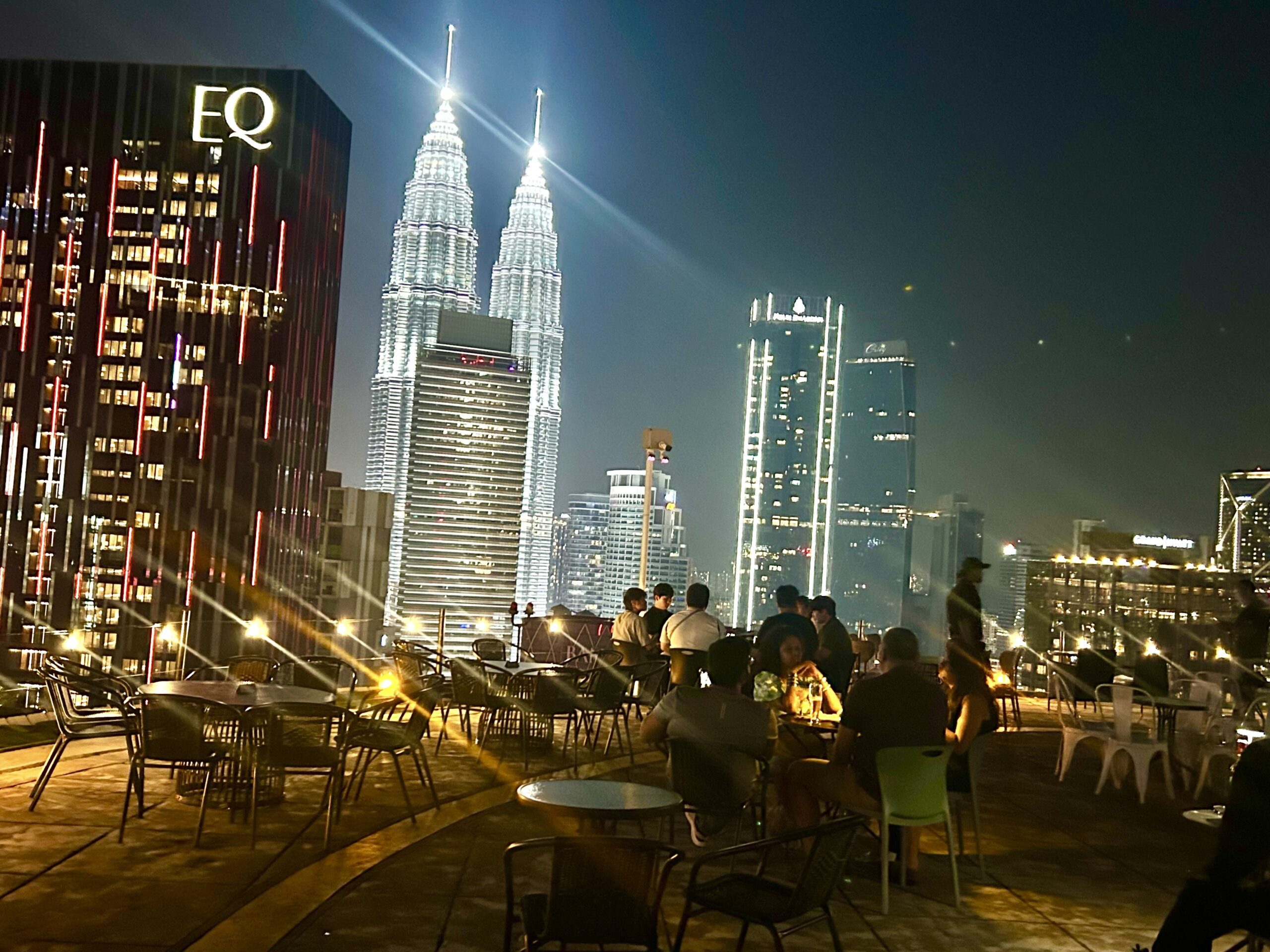
20+ things to know about Malaysia
When I started researching Malaysia, I had a hard time finding answers to basic questions on major travel webistes. Most of my research was done on smaller blogs and local websites. I’m grateful to these local bloggers for sharing their personal experiences in Malaysia, as they guided me on my journey.
1. When is the best time to visit Malaysia?
Malaysia is very close to the equator and as a result has a tropical, hot, and humid climate year-round. In December and January, it is fairly warm (about 30 degrees) but I enjoyed it. There is plenty of air conditioning available. To adapt to the heat, bring a hand fan, dress in light clothing, wear a hat or bring an umbrella While Malaysia has monsoon period and a rainy season, there’s really no bad time to come, depending on where you want to go. During my two months in Malaysia from December to February (during the monsoon season), it rained once, although there were some cloudy days. Check weather forecasts before you go and plan appropriately.
There are many festivals in Malaysia, and it’s a good idea to think about whether you want to be there for Chinese New Year, Deepavali or Thaipusam, which I experienced at Batu Caves in January 2026. Thaipusam is a major Tamil Hindu festival celebrating good over evil at Batu Caves, just outside Kuala Lumpur. I took a Grab to get there and the train back, which was very easy. Over 2.5 million worshippers were expected. I saw barefoot women with pots of milk balanced on their heads, men with shaved heads carrying 100kg displays, many with ritual piercings through their face and mouth, all climbing up the 272 steps to the cave, dressed in yellow. Despite being the only blonde woman I never felt anything but welcomed. I just smiled and watched the incredible processions. This demonstration of faith and belief was inspiring.
2. How do you get to Malaysia?
Most visitors to Malaysia are from Asia, Australia, and neighbouring countries. From North America, I flew overnight from Toronto to Kuala Lumpur, with a stopover in Japan. The entire trip takes between 24-28 hours, so you may want to consider a staying in Japan overnight after that flight to break things up. Check flight routes here.
3. What are the entry requirements?
Most visitors to Malaysia do not need a Visa, but you do need to complete a Digital Arrival Card (MDAC) three days before arrival. Make sure you use the official government website; beware of scam sites as there is no cost for the card. After you register and fill in your details, the system will provide you with a PDF that you will need to print and bring with you. The technology is not user friendly but the process is simple. If you make a mistake, just do it over and download a new PDF. I was only asked for it once, while checking in for a domestic flight.
4. How do you say greet people in Malaysia?
Like other places in Asia, people do not shake hands or touch those not in their family. Malaysian people greet you with one hand over their heart and a smile.
5. What language is spoken in Malaysia?
The official language is Malay, but most people in Malaysia speak English. To say hello, ‘hi’ or ‘hello’ is fine or you can speak in Malay: selamat (sounds like “suh-lah-mat). Having some knowledge of common Malay words like nasi (rice), roti canai (flatbread) and keluar (exit). If you need to translate a menu, try Google Translate.
6. What is the food like in Malaysia?
The national dish of Malaysia is nasi lemuk, which is rice cooked in coconut milk with eggs, peanuts and dried fish, slices of cucumber. Buffets and menus accommodate all cultures – Chinese, Malaysian, Western, Indian, Thai. Fruit juices (make sure the water is bottled) and beer (Tiger from Thailand) are widely available, less so wine (mostly from Australia and it’s expensive).


