U.S. Drops Level 4 Advisory For This Controversial Caribbean Country
3 min readIt holds the longest Caribbean coastline of any single nation. For years, its pristine beaches and massive tropical islands have been completely off-limits to American travelers. Yesterday, the U.S. State Department officially dropped Venezuela's travel advisory from a strict “Do Not Travel” Level 4 down to a Level 3 “Reconsider Travel.” The severe “Wrongful Detention” …
The post U.S. Drops Level 4 Advisory For This Controversial Caribbean Country appeared first on Travel Off Path.
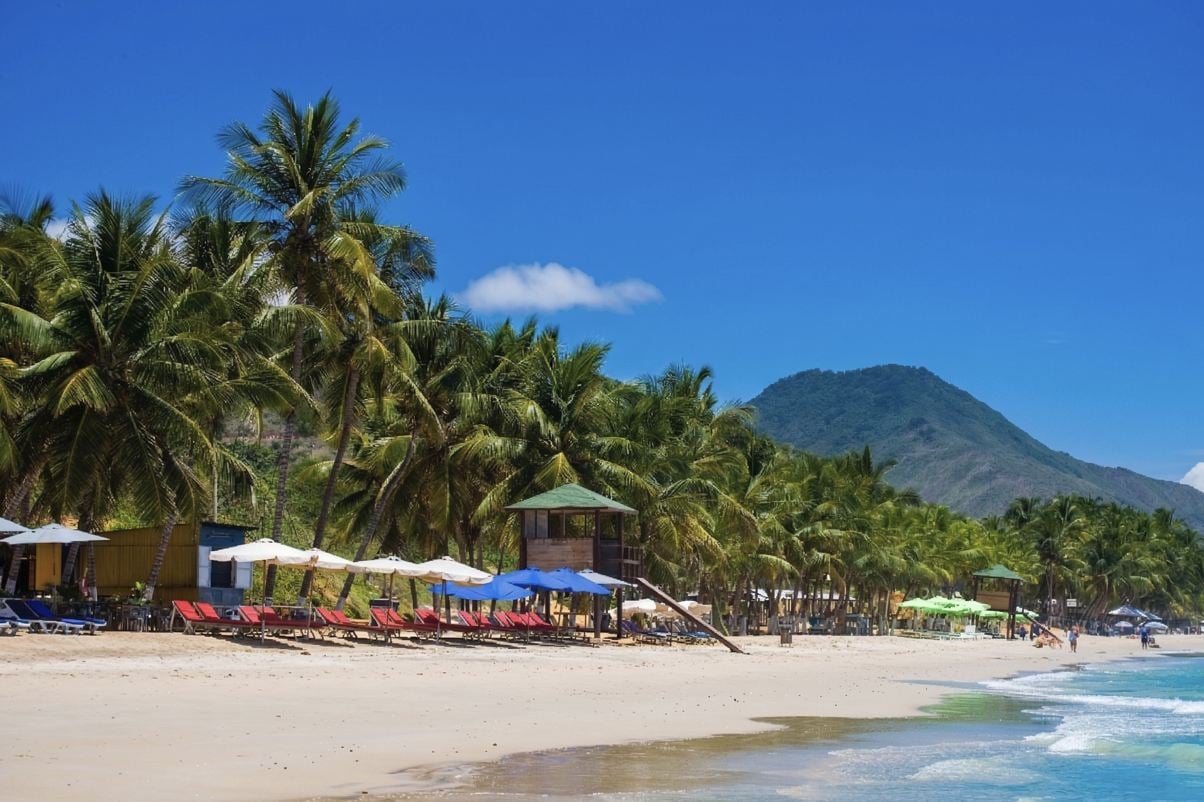
It holds the longest Caribbean coastline of any single nation. For years, its pristine beaches and massive tropical islands have been completely off-limits to American travelers.
Yesterday, the U.S. State Department officially dropped Venezuela’s travel advisory from a strict “Do Not Travel” Level 4 down to a Level 3 “Reconsider Travel.” The severe “Wrongful Detention” indicator was completely removed from the warning. With the U.S. Embassy in Bogotá now initiating a phased return to operations inside Caracas, the doors to this forbidden Caribbean frontier are slowly creaking open.
But do not start packing your bags for a casual beach vacation just yet.
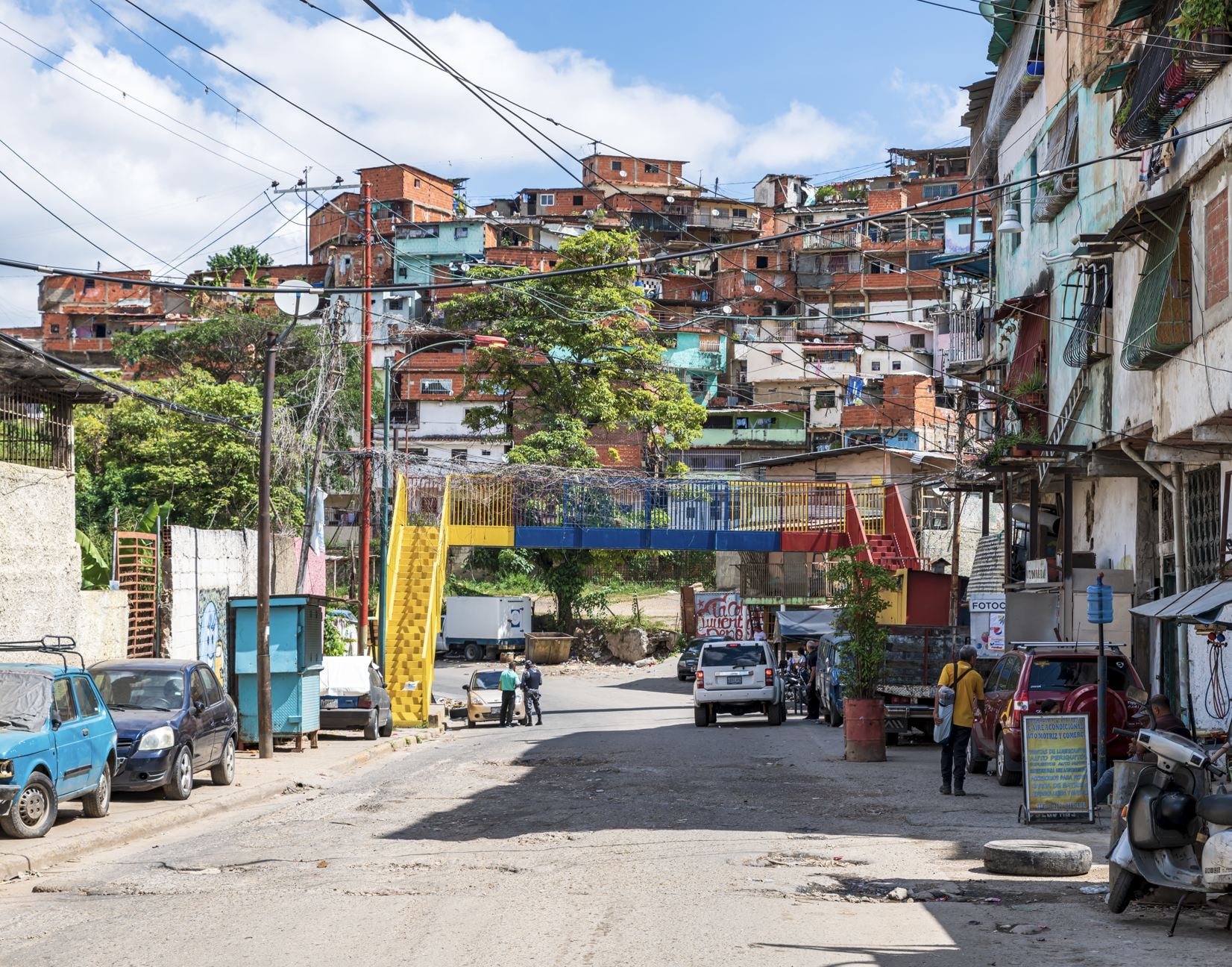
While the national average dropped to a Level 3, the ground truth remains intense. The country is aggressively pushing for a tourism comeback, but it is still an extreme frontier meant only for highly experienced travelers. Here is the plain English breakdown of exactly what you are walking into.
The Live Traveler Safety Index Is Still Low
On the ground live sentiment from travelers recently in Venezuela confirm that the country is still highly volatile when it comes to tourist safety. The current score is sitting at 37 which is ‘Critical’.
The Level 4 Red Zones Remain
The overall country rating was lowered, but massive sections of the interior are still classified as hard Level 4 “Do Not Travel” red zones.
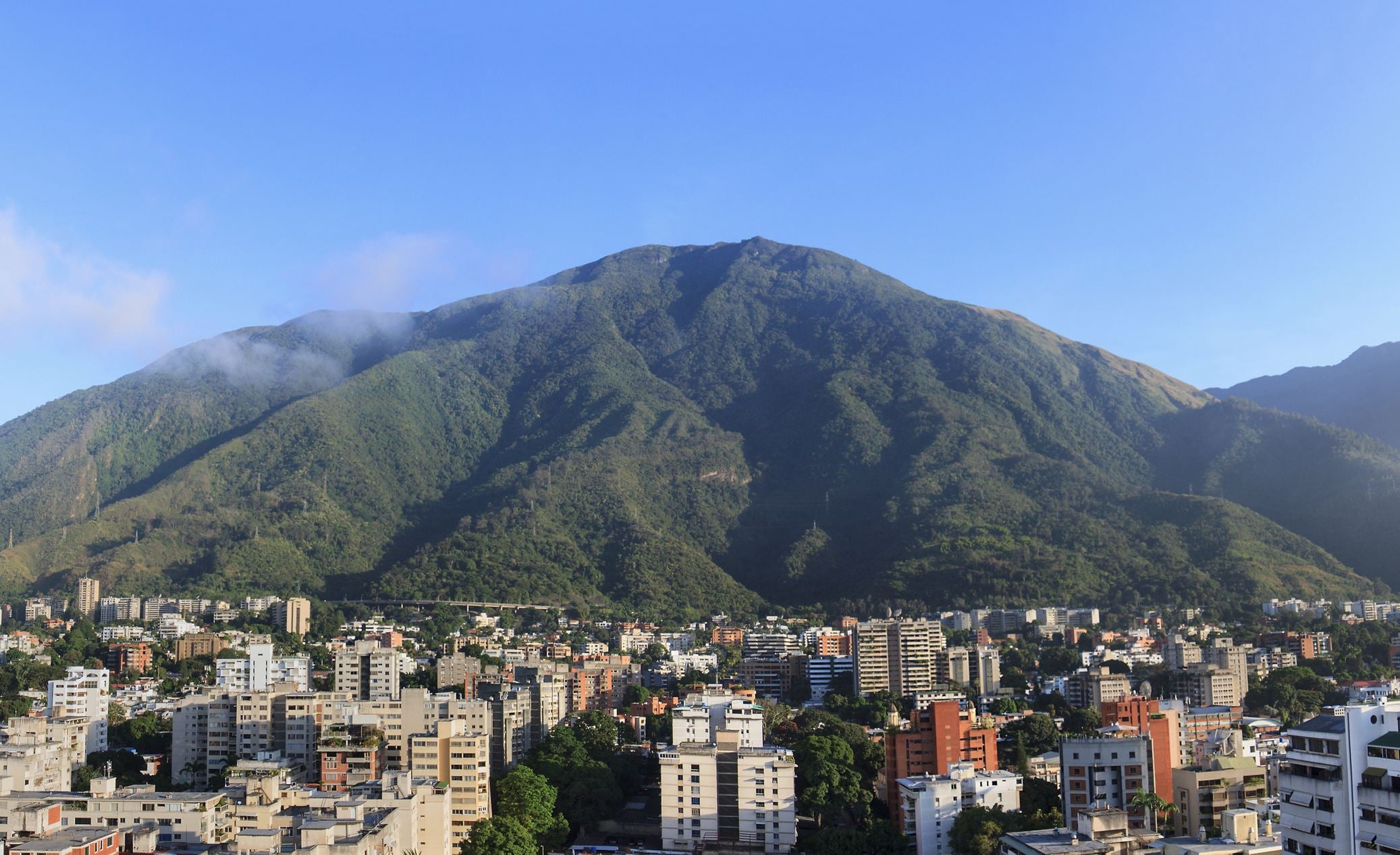
If you leave the main tourist bubbles and wander into the Colombian border region, Amazonas, Apure, or rural states like Bolivar, you are entering territory heavily controlled by armed groups and designated terrorist organizations. The U.S. government states clearly that you should not travel to these specific states for any reason.
Extreme Security Protocols
The updated advisory reads like a survival manual. Because the U.S. government has virtually no ability to offer emergency services outside of Caracas, they demand extreme preparation from anyone who decides to go.
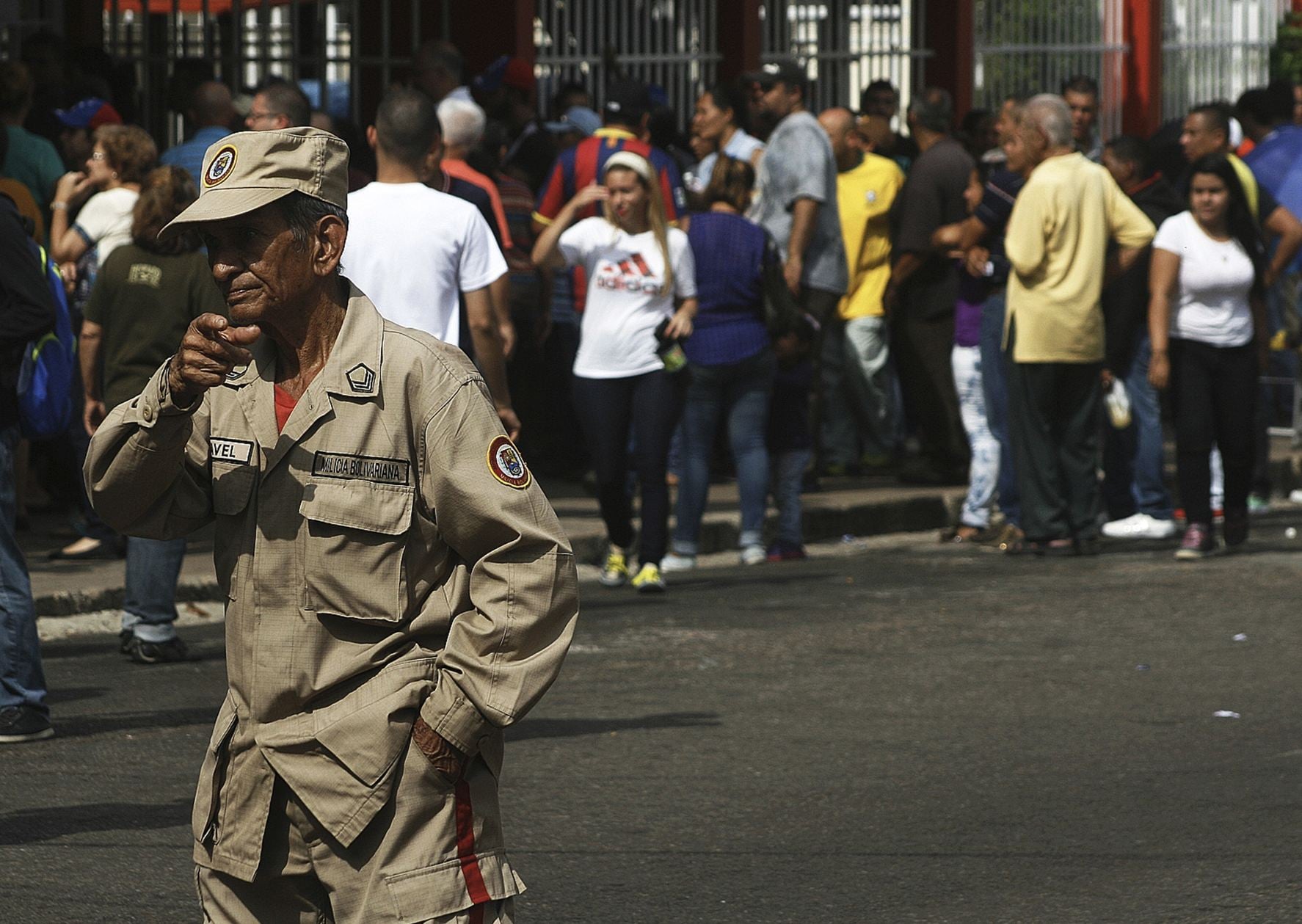
The State Department literally advises travelers to establish a “proof-of-life” protocol with loved ones before boarding the plane. This means setting up specific questions and answers your family can use to confirm you are alive if you are taken hostage. You are also instructed to draft a strict communication plan, verifying your location with family or employers at designated times so they can track your movements through high-risk areas.
The Arrival Gauntlet
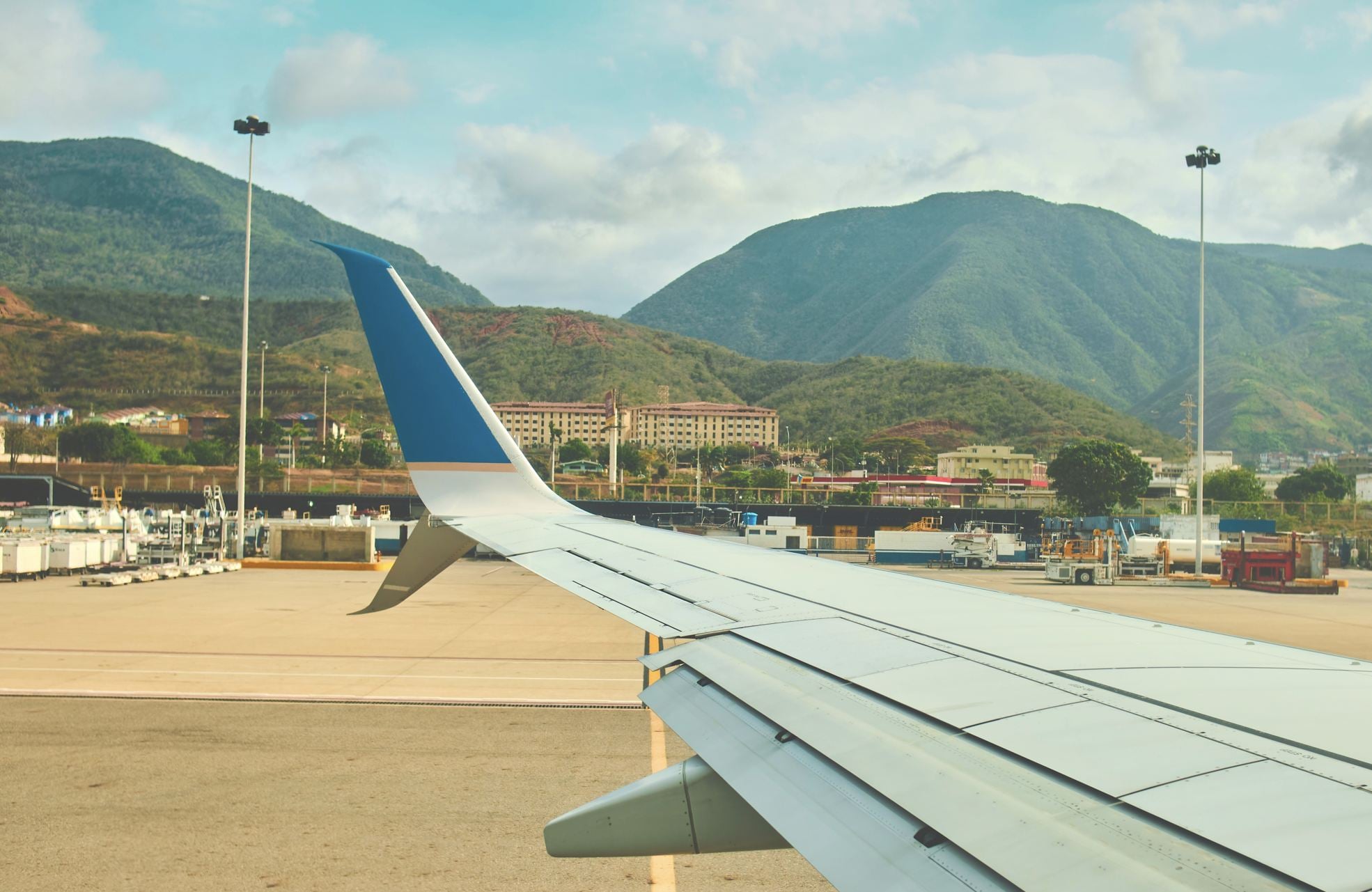
The danger starts the moment you land. Travelers face immediate security threats using unregulated taxis departing from the Maiquetía Simón Bolívar International Airport serving Caracas.
Nighttime travel is strictly advised against. You should never travel between cities after dark, and driving from the international airport into Caracas at night is considered highly dangerous. Furthermore, drawing cash from ATMs near the airport makes you an immediate target for armed robbery. You must blend in and never display signs of wealth.
Broken Infrastructure
The physical infrastructure is still recovering from years of severe crisis. If you get hurt outside of the major urban centers, public hospitals frequently lack running water, electricity, and basic medical staff.
You cannot rely on local pharmacies. You must bring your own entire supply of over-the-counter and prescription medicines to cover your entire trip. Premium medical evacuation insurance is completely mandatory, as you will need a private flight out of the country for any major medical emergency.
The Visa Wall
You cannot just buy a ticket and show up. Americans are required to secure a visa before arriving, and they are absolutely not issued on arrival. If you land without a valid visa, you will face immediate detention. Furthermore, the U.S. government cannot help you replace lost travel documents or get exit stamps while you are inside the country.
Venezuela holds some of the most stunning, untouched Caribbean islands on earth, like the Los Roques archipelago. The lowering of the advisory signals a massive shift, but this remains a destination strictly for those who understand how to navigate severe operational risks.
Should You Go?
Not yet. While the recent removal of Nicolás Maduro has pointed the country in the right direction according to the Trump administration, the ground reality is still highly volatile and dangerous for travelers. The infrastructure is broken, and the security risks are too severe for a casual vacation. Give it some time.
You can read the full U.S. State Department travel advisory for Venezuela here.