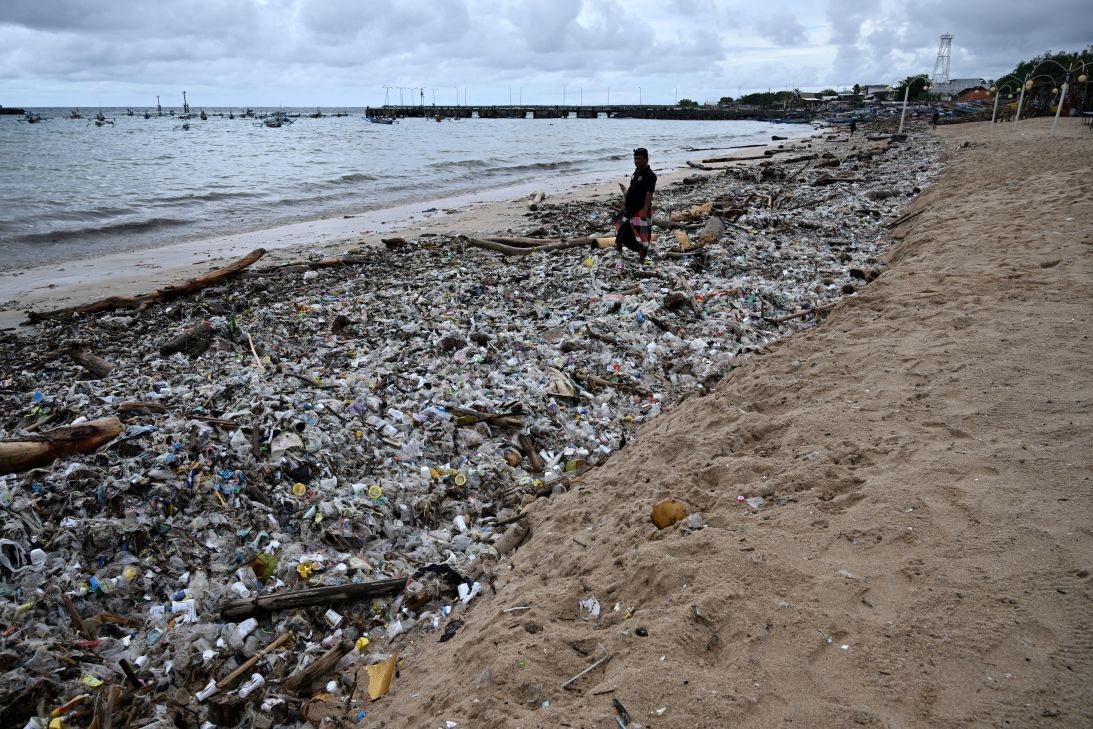
Bad behavior, overcrowded streets: In Asia’s travel hot spots, overtourism is creating European-style problems
5 min readHistoric towns elbow-to-elbow with travelers. Beaches where you can’t see the sand through the multitude of towels, chairs and umbrellas. Tourists arrested for drunk and disorderly conduct.
That may sound like your average summer journey to any one of the many European destinations plagued by overtourism in recent years, from Barcelona to Venice, where fed-up locals have taken to the streets to protest the negative impact of too many visitors.
But it’s happening in parts of Asia, too. Across the region, several renowned destinations are reaching a tourism glass ceiling that’s impacting the quality of life for residents while destroying the iconic spots that draw people in the first place.
“Bali is definitely one,” says Gary Bowerman, a travel and consumer trends analyst based in Kuala Lumpur, Malaysia, when asked to specify some trouble spots.
“I would also say Kyoto in Japan. And maybe Phuket might be another.”
The issue isn’t space — it’s a big continent, with a lot to see, and many places are in desperate need of visitors to support their economies. The problem is that too many people are going to the same spots in the same destinations.
“Kyoto was by far the most crowded and our least favorite stop of the trip,” says Shannon Clerk, an American tourist who recently visited Japan with her sister.
To beat the anticipated crowds at the historic city’s famous Fushimi Inari Shrine, they got up at 5 a.m.
“We saw minimal people on the way up, but on the way down large hordes of tourists were arriving.”
The rest of their Kyoto visit was spent walking through busy crowds of people on the sidewalks and through the markets, she says.
“Every sacred or historical spot was overrun by non-Japanese tourists dressed in kimonos and sandals, taking Instagram photos.”
Rising visitor numbers
Bowerman attributes the issue to several factors, including pent-up demand after the pandemic, bargain airfares to an ever-increasing number of Asian destinations, a growing and travel-eager middle class in numerous nations (including the world’s two most populated countries, India and China), and alluring promotional campaigns by various tourist boards.
Meanwhile, more domestic tourists are exploring their own countries.
“It’s almost like the genie is out of the bottle,” says Bowerman of the travel boom. “How do you put it back in?”
The Pacific Asia Travel Association (PATA) reports that travel in Asia has made a spectacular recovery from the pandemic pause. According to its latest mid-year report, Northeast Asia (which includes China, Japan and South Korea) is leading the way with a phenomenal 20% tourism growth during the first six months of 2025. Even once out-of-the-way destinations like Mongolia are reporting increases in visitor numbers.
Looking at Southeast Asia, which is about to enter its traditional high season, tourism is growing particularly quickly in Vietnam. According to the UN’s World Tourism Organization (UNWTO), international arrivals soared by 21% during the first six months of this year.
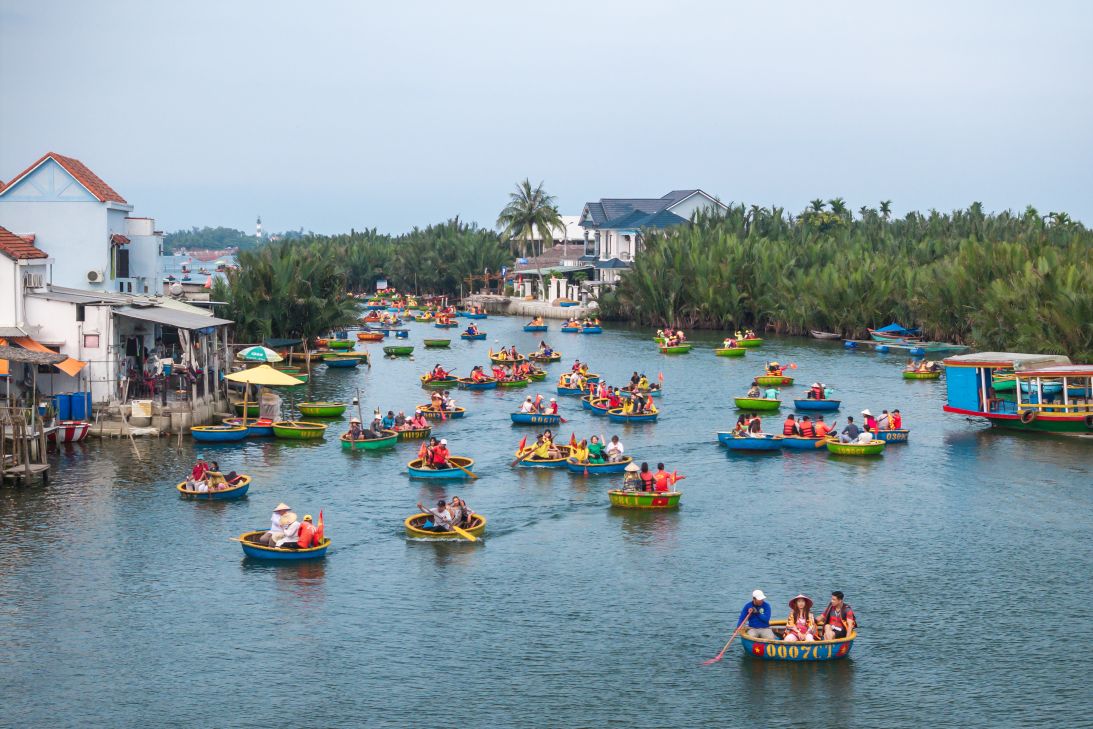
Two of Vietnam’s celebrated UNESCO World Heritage destinations have become increasingly crowded: scenic Ha Long Bay with tourist cruises and historic Hoi An with pedestrians along its narrow lanes.
“As soon as places achieve that UNESCO destination, everybody wants to go there,” Bowerman laments. “Vietnam is also very, very popular with domestic tourists as well as inbound tourism. And Vietnam is a country with more than 100 million people. There’s a lot of tourists there. There’s a lot of people going to those destinations.”
Meanwhile, Thailand’s international visitor numbers are down by about 6% over last year, according to government statistics. But you’d never know it visiting some of its most popular sites.
The government in Phuket recently announced plans to tackle some of the major challenges facing the island, including traffic jams and water shortages, as it struggles to keep pace with growth. Other hot-button issues on the island include waste management and marijuana use – the 2022 decriminalization of cannabis saw a boom of dispensaries and cafes opening across the country, particularly in tourist areas.
Many visitors to Phuket take day trips to the nearby islands, including Phi Phi Islands’ Maya Bay, made famous by 2000 film “The Beach,” starring Leonardo DiCaprio. Decades on, the bay’s pristine waters and crescent-shaped beach still draw fans of the film.
“We did a Phi Phi island boat tour, but we were far from alone,” recalls Gabi Jimenez, an American traveler who visited Thailand earlier this year.
“There must’ve been over 100 boats doing the same multi-stop tour at the same time. Specifically at Maya Bay, what should be a 10-minute stop ended up being over an hour trying to fight through the crowds just to get to the beach and back.”
Nikki Scott, founder and editor of the Backpacker Network and South East Asia Backpacker magazine, cites three main detrimental effects that come with too many tourists — destruction of the local environment due to construction, negative impacts on nature and resources caused by too many visitors, and the eradication of the local culture to serve tourism demands.
“Unfortunately, there are many places in Asia that are experiencing the impact of overtourism in a variety of ways,” she says.
“The locations most in danger (in Southeast Asia) are islands and beaches.”

She agrees with Gary Bowerman that the Indonesian island of Bali is one of the most glaring examples.
“From plastic pollution to water shortages and terrible traffic jams, Bali is one of the places that is worst hit by overtourism,” she explains.
“Most recently, Bali experienced its worst floods in decades, which many say was partly due to environmental problems created by overtourism. With the eradication of Bali’s rice fields in favor of concrete to build new hotels and villas, the island is experiencing severe drainage problems, which exacerbated the flooding.”
But environmental issues related to tourism have long been simmering in Southeast Asia, even well before the post-Covid boom.
Another paradise island that became a victim of its own popularity was Boracay in the Philippines. Authorities closed the island to tourism for six months in 2018 to reform the tourism scene and give famous spots like Puka Beach a chance to recover from overuse. Authorities closed it again, for two years, during the pandemic.
The Philippine government also placed a cap on Boracay’s tourist arrivals, bolstered environmental protection and outlawed unlicensed accommodation. New Wave Divers dive shop in Boracay reported earlier this year that the measures seem to be working: There are fewer crowds and much cleaner water for diving, snorkeling and swimming.
<div data-uri="cms.cnn.com/_components/video-resource/instances/cmhbhxxu5000k3b6n21j38dsh@published" data-component-name="video-resource" data-editable="settings" class="video-resource-elevate" data-fixed-ratio="16×9" data-canonical-url-path="/videos/tv/2022/07/26/thailand-maya-bay-c2e-spc-intl.cnn" data-auth-type data-parent-uri="cms.cnn.com/_components/video-resource/instances/h_63130a91e548c67516e91eb5fce38a06@published" data-video-id="tv/2022/07/26/thailand-maya-bay-c2e-spc-intl.cnn" data-media-id="me80efe881220d6e34622cca9b2db177483b83c500" data-bolt-id="a59d6ec8-baeb-5d98-8e2a-eaa3d8394adb" data-live data-analytics-aggregate-events="true" data-custom-experience data-asset-type="hlsTs" data-content-type="mediasource-clip" data-medium-env="prod" data-autostart="disabled" data-show-ads="true" data-source="CNN" data-featured-video="true" data-headline="How Thailand's most famous bay recovered from the brink of ecological catastrophe" data-has-video-player="true" data-description="Maya Bay, the location for the 2000 film "The Beach," starring Leonardo DiCaprio, became a tourist hotspot. In 2018, the Thai government closed the bay and began to restore the damaged ecosystem. Now it's reopened to tourists. " data-duration="04:01" data-source-html=" • Source:
CNN
” data-fave-thumbnails=”{"big": { "uri": "https://media.cnn.com/api/v1/images/stellar/prod/220726140155-maya-bay-video-thumbnail.jpg?c=16×9" }, "small": { "uri": "https://media.cnn.com/api/v1/images/stellar/prod/220726140155-maya-bay-video-thumbnail.jpg?c=16×9" } }” data-vr-video=”false” data-show-html=”” data-byline-html=”
” data-timestamp-html=”
” data-check-event-based-preview data-is-vertical-video-embed=”false” data-network-id data-publish-date=”2022-08-01T09:10:28Z” data-video-section=”tv” data-canonical-url=”https://www.cnn.com/videos/tv/2022/07/26/thailand-maya-bay-c2e-spc-intl.cnn” data-branding-key=”call-to-earth” data-video-slug=”Thailand Maya Bay c2e spc intl” data-first-publish-slug=”Thailand Maya Bay c2e spc intl” data-video-tags=”accidents,accidents, disasters and safety,animals,asia,beaches,business and industry sectors,business, economy and trade,celebrities,continents and regions,destinations and attractions,environment and natural resources,environmental accidents and disasters,environmentalism,land reclamation,land use planning,landforms and ecosystems,leonardo dicaprio,life forms,marine animals,points of interest,pollution,real estate,southeast asia,thailand,tourism,travel and tourism” data-breakpoints=”{"video-resource–media-extra-large": 660}” data-display-video-cover=”true” data-details>
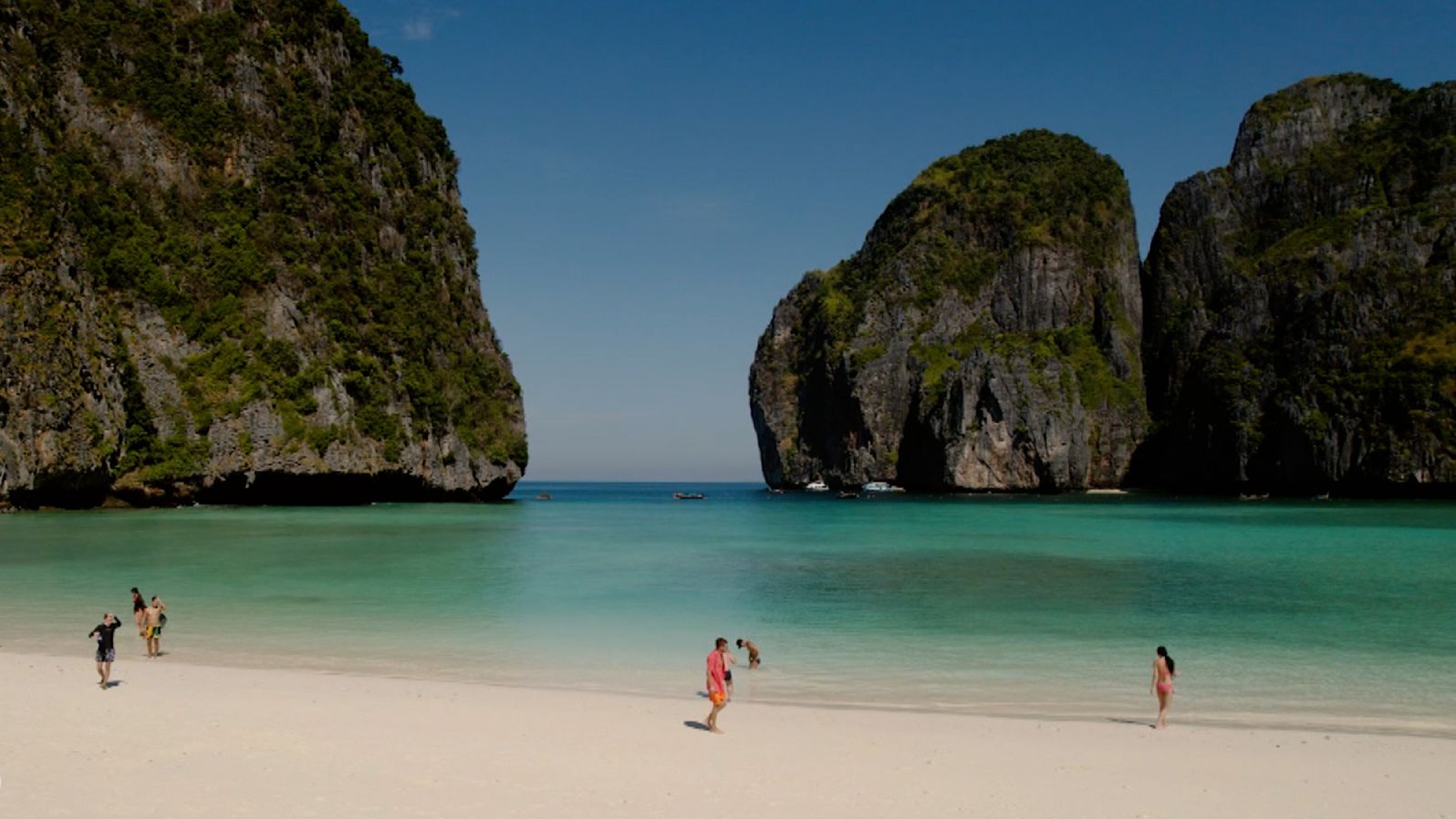
Thailand has been testing a similar strategy at Maya Bay over the last few years. The national park authority banned tourism for four years and now imposes a two-month closure each year (normally August-September) so the marine and shoreline ecosystems can recover.
But still, officials are struggling to keep a cap on visitors, many of whom continue to defy the clearly posted rules.
Impact on local life
Most of Asia’s major cities have been less impacted by influxes of visitors — Seoul in particular is benefitting from the ongoing K-pop craze — because they have the infrastructure in place to absorb them.
Kyoto, however, isn’t so fortunate. According to Kyoto City officials, a combined total of more than 56 million international and domestic tourists visited the historic city in 2024.
In addition to the tourist experience being lowered, it’s having a negative impact on local life. Residents in this city of around 1.5 million people are especially annoyed by swarms of tourists clogging narrow streets and lanes in the city center and overcrowding public trains and buses, which locals rely on for work and school commutes.
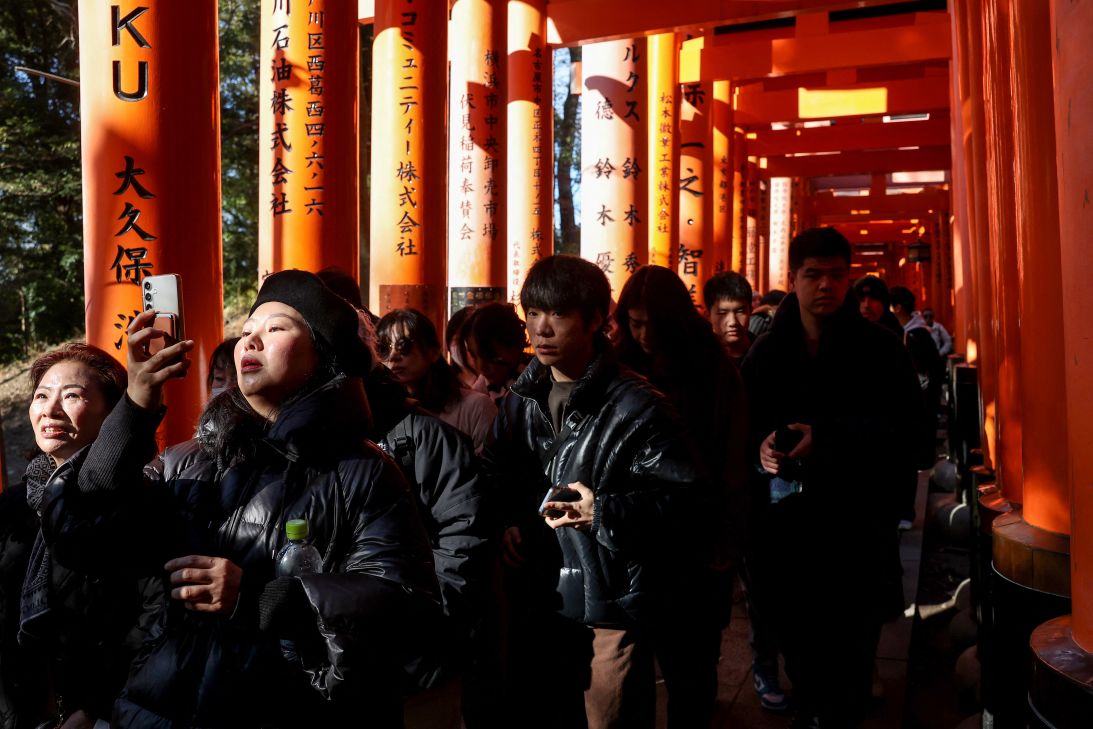
Roughly 90% of the Kyoto residents surveyed by Japan’s Yomiuri Shimbun newspaper complained about overtourism. Besides crowding, one of the biggest grievances was rude or disrespectful behavior by foreign tourists who seem to treat Kyoto like a theme park rather than an old, venerable and very spiritual city.
“Japan’s traditionally conservative national character means there is a sense of disorientation at the loss of balance when one in three people is a foreign tourist,” explains Yusuke Ishiguro, an associate professor at the Graduate School of International Media, Communication, and Tourism Studies at Hokkaido University.
“Unfortunately, Japan’s tourism policies and businesses have traditionally focused on increasing visitor numbers. They are therefore currently in the ‘considering’ phase and actually doing nothing.”
<div data-uri="cms.cnn.com/_components/video-resource/instances/cmhcu3d0y002b3b6np7pbhdu4@published" data-component-name="video-resource" data-editable="settings" class="video-resource-elevate" data-fixed-ratio="16×9" data-canonical-url-path="/2024/05/22/world/video/mount-fuji-montgomery-live-fst052106pseg1-cnni-world-fast" data-auth-type data-parent-uri="cms.cnn.com/_components/video-resource/instances/clwhgv9540007356js7vb643s@published" data-video-id="me9807ea6c161b9bb537c4b3e836154b272cdfe279" data-media-id="me9807ea6c161b9bb537c4b3e836154b272cdfe279" data-bolt-id="e37b7a26-a303-591c-b271-73c8e39b8d0a" data-live data-analytics-aggregate-events="true" data-custom-experience data-asset-type="hlsTs" data-content-type="mediasource-clip" data-medium-env data-autostart="disabled" data-show-ads="true" data-source="CNN" data-featured-video="true" data-headline="Japanese town puts up barrier to block selfie spot near Mount Fuji" data-has-video-player="true" data-description="
Hanako Montgomery reports on the drastic measure one Japanese town has taken to discourage overtourism.” data-duration=”03:15″ data-source-html=” • Source:
CNN
” data-fave-thumbnails=”{"big": { "uri": "https://media.cnn.com/api/v1/images/stellar/videothumbnails/60943536-10793861-generated-thumbnail.jpg?c=16×9" }, "small": { "uri": "https://media.cnn.com/api/v1/images/stellar/videothumbnails/60943536-10793861-generated-thumbnail.jpg?c=16×9" } }” data-vr-video=”false” data-show-html=”” data-byline-html=”
” data-timestamp-html=”
” data-check-event-based-preview data-is-vertical-video-embed=”false” data-network-id data-publish-date=”2024-05-22T06:53:39.388Z” data-video-section=”world” data-canonical-url=”https://www.cnn.com/2024/05/22/world/video/mount-fuji-montgomery-live-fst052106pseg1-cnni-world-fast” data-branding-key data-video-slug=”mount-fuji-montgomery-live-fst052106pseg1-cnni-world-fast” data-first-publish-slug=”mount-fuji-montgomery-live-fst052106pseg1-cnni-world-fast” data-video-tags data-breakpoints=”{"video-resource–media-extra-large": 660}” data-display-video-cover=”true” data-details>
<div data-uri="cms.cnn.com/_components/video-player/instances/clwhgv9t4000c356je0f4oupa@published" data-unselectable="true" data-title data-show-ads="true" data-is-vertical-video-embed="false" data-custom-experience data-component-name="video-player" data-autostart="disabled" data-is-vertical-video data-fixed-ratio="16×9" data-headline="Japanese town puts up barrier to block selfie spot near Mount Fuji" data-auth-type data-video-resource-parent-uri="cms.cnn.com/_components/video-resource/instances/clwhgv9540007356js7vb643s@published" data-live data-content-type="mediasource-clip" data-video-resource-uri="cms.cnn.com/_components/video-resource/instances/cmhcu3d0y002b3b6np7pbhdu4@published" data-poster-image-override="{"big": { "uri": "https://media.cnn.com/api/v1/images/stellar/videothumbnails/60943536-10793861-generated-thumbnail.jpg?c=16×9" }, "small": { "uri": "https://media.cnn.com/api/v1/images/stellar/videothumbnails/60943536-10793861-generated-thumbnail.jpg?c=16×9" } }" data-video-id="me9807ea6c161b9bb537c4b3e836154b272cdfe279" data-media-id="me9807ea6c161b9bb537c4b3e836154b272cdfe279" data-bolt-id="e37b7a26-a303-591c-b271-73c8e39b8d0a" data-duration="03:15" data-description="
Hanako Montgomery reports on the drastic measure one Japanese town has taken to discourage overtourism.” data-check-event-based-preview data-network-id data-publish-date=”2024-05-22T06:53:39.388Z” data-video-section=”world” data-canonical-url=”https://www.cnn.com/2024/05/22/world/video/mount-fuji-montgomery-live-fst052106pseg1-cnni-world-fast” data-branding-key data-video-slug=”mount-fuji-montgomery-live-fst052106pseg1-cnni-world-fast” data-first-publish-slug=”mount-fuji-montgomery-live-fst052106pseg1-cnni-world-fast” data-video-tags class=”video-resource”>