Why Digital Nomads Are Concentrating in These 6 Low-Cost Countries
8 min readThe digital nomad revolution has reached a tipping point that nobody saw coming. Globally, an estimated 50 million people were living as digital nomads by 2024, roughly doubling from around 20 million just a few years prior. In the United States alone, the number of people identifying as digital nomads increased from approximately 7.3 million in 2019 to 18.1 million in 2024, a 147% rise since pre-pandemic times.
While remote workers once scattered randomly across the globe, something remarkable happened: they started clustering in specific countries where their foreign income could stretch furthest.
This concentration isn’t accidental. The average digital nomad has a higher monthly budget than the average income of citizens from the top 5 countries digital nomads prefer to nomad, and 9 of the top 10. So let’s start, which six countries are dominating this new economic ecosystem?
Thailand: The Digital Nomad Capital That Perfected Affordability

Thailand has earned its reputation as the ultimate nomad playground for one overwhelming reason: unbeatable value. The cost of living in Thailand is quite low, especially when compared to developed countries in the West. You can rent a 1-bedroom apartment in Chang Mai for as little as $400 per month, and other utilities such as electricity and internet are also very affordable at around $70 per month. Think about that for a moment – complete monthly housing costs that barely cover a weekend in most Western cities.
Thailand: Introduced a multi-entry visa in 2024, allowing up to five years’ stay (with 180-day intervals), an attractive cost of living, fast internet, and hotspots like Bangkok and Chiang Mai. The country hasn’t just stumbled into nomad success; it’s actively courted this demographic with visa innovations that make long-term stays surprisingly simple. Thanks to the low cost of living and a laid-back lifestyle, Thailand is a mecca for expats and tourists. Most expats can be found in Bangkok (the capital), Chiang Mai, Pattaya, and Phuket.
Beyond pure economics, Thailand delivers something precious: infrastructure that actually works. In major cities and nomad hubs like Bangkok, Chiang Mai, Kuala Lumpur, Singapore, Ho Chi Minh City, and Bali, the internet is generally fast and reliable. When your livelihood depends on stable connectivity, this reliability becomes worth its weight in gold.
Vietnam: The Budget Champion That Nobody Expected

Vietnam might surprise you by topping affordability charts across multiple recent studies. Vietnam tops the list as the most affordable country for digital nomads. This Southeast Asian nation delivers extraordinary value without sacrificing quality of life, particularly in dynamic cities like Ho Chi Minh City and Da Nang.
The food is also incredibly cheap – you can get a hearty bowl of pho (Vietnamese noodle soup) for less than $1.50. The other top contender in Asia is Vietnam, which is less of a hassle to stick around in than many of its neighbors and is also a country with bargain rentals and excellent food. Some expats living in Danang, Hanoi, or Ho Chi Minh City don’t even have a kitchen.
It’s so cheap to eat out that they figure, “Why bother?” You’ll find great coffee shops and co-working spaces if you don’t have a good set-up for working where you’re living. If you need help with a project, you’ll find plenty of English-speaking tech people you can hire for a small fraction of what you would spend to get help in the country where you came from. Many people putting down roots here spend $500 or less for an apartment, even near the beaches of Danang, and it’s getting easier all the time to get around when you want a break.
The country’s appeal runs deeper than mere cost savings. Cost of Living: Extremely low, especially in comparison to Western countries. Community: A growing digital nomad scene, especially in Ho Chi Minh City. Vietnam represents the sweet spot where affordability meets genuine cultural richness, creating an environment where nomads can live well while experiencing authentic local life.
Mexico: North America’s Affordable Gateway
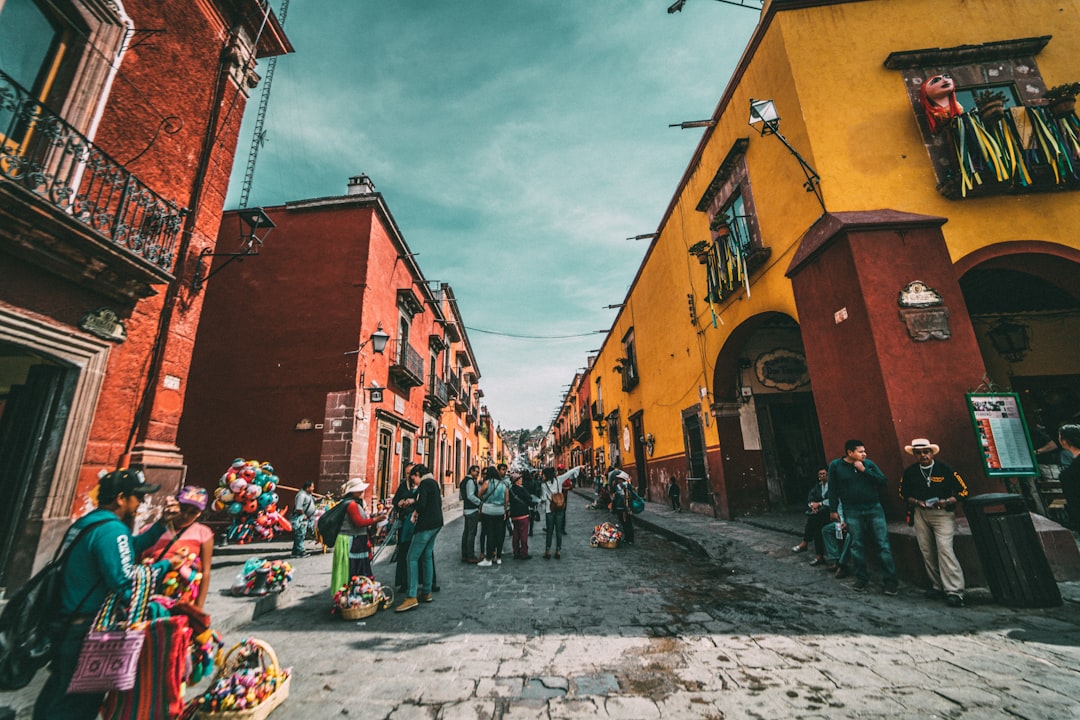
Mexico has become the ultimate destination for North American nomads seeking familiar time zones without Western prices. Mexico combines affordability with a strong appeal for North American digital nomads. Its proximity to the US and robust digital nomad community make it a top choice. This geographical advantage cannot be overstated – being in the same or similar time zones as major US business centers while enjoying dramatically lower costs.
Additionally, many relatively cheap cities in Mexico make it an excellent option for digital nomads looking to save money; some of the most popular include Oaxaca, Tulum, Playa del Carmen, San Cristóbal de Las Casas, Mazunte, Mexico City, Puerto Vallarta, and Tijuana. The diversity of options means nomads can choose between beach paradises, cultural capitals, or modern metropolitan hubs based on their preferences and budget.
Mexico’s good weather, sandy beaches, flamboyant cities, rich culture, killer parties, affordable lifestyle, and mindblowing food have attracted nomads from across the globe for years and years. Mexico’s range of nomadic hubs goes coast to coast, from beachside nomad paradises like Playa del Carmen and Puerto Vallarta to rich, cultured big cities like Oaxaca and Mexico City. Mexico has been an amazing option for travelling nomads since it’s conveniently located in the heart of the Americas ,allowing the $ to stretch much further for its northern neighbours, whilst being in the same timezone.
Indonesia: Bali’s Magnetic Pull and Island Economics
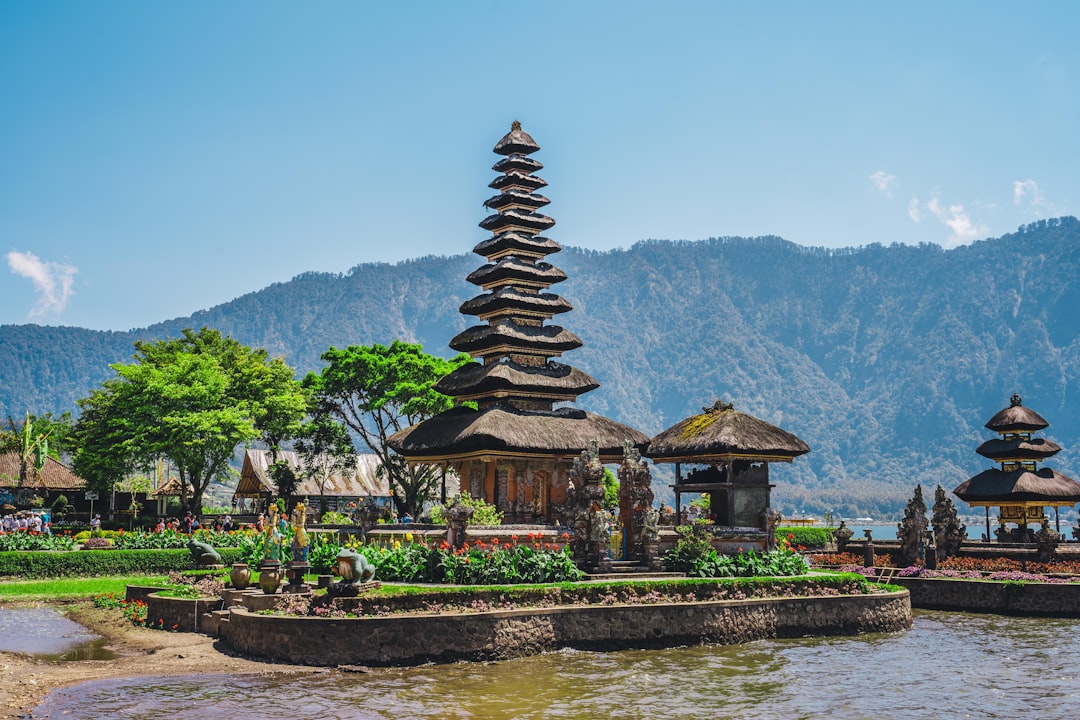
Indonesia, particularly Bali, has achieved something rare: becoming synonymous with digital nomad culture itself. For many digital nomads, Indonesia is all about Bali. True, the hype about Bali is not without reason. Famous for breathtaking sunsets, rice terraces, volcano trekking, and infinity pools in the middle of the jungle, Bali is a cult favorite among digital nomads and remote workers.
The economics work beautifully for remote workers. Renting a one-bedroom apartment in Bali, Indonesia, can cost you around $800 per month, and basic utility fees are priced at around $90. Pretty good, right? Indonesia, particularly Bali, remains a favorite among digital nomads. The country is opening up more immigration opportunities, although taxes can be challenging.
Non-residents are only taxed on their Indonesian-sourced income, so you can save big bucks in Indonesia if you earn a foreign income. Nearly 350,000 expats live in Indonesia, mainly in Jakarta (the capital). This tax advantage, combined with the incredible lifestyle offerings, creates a compelling financial case for location-independent workers who earn from international clients or employers.
Colombia: South America’s Rising Star
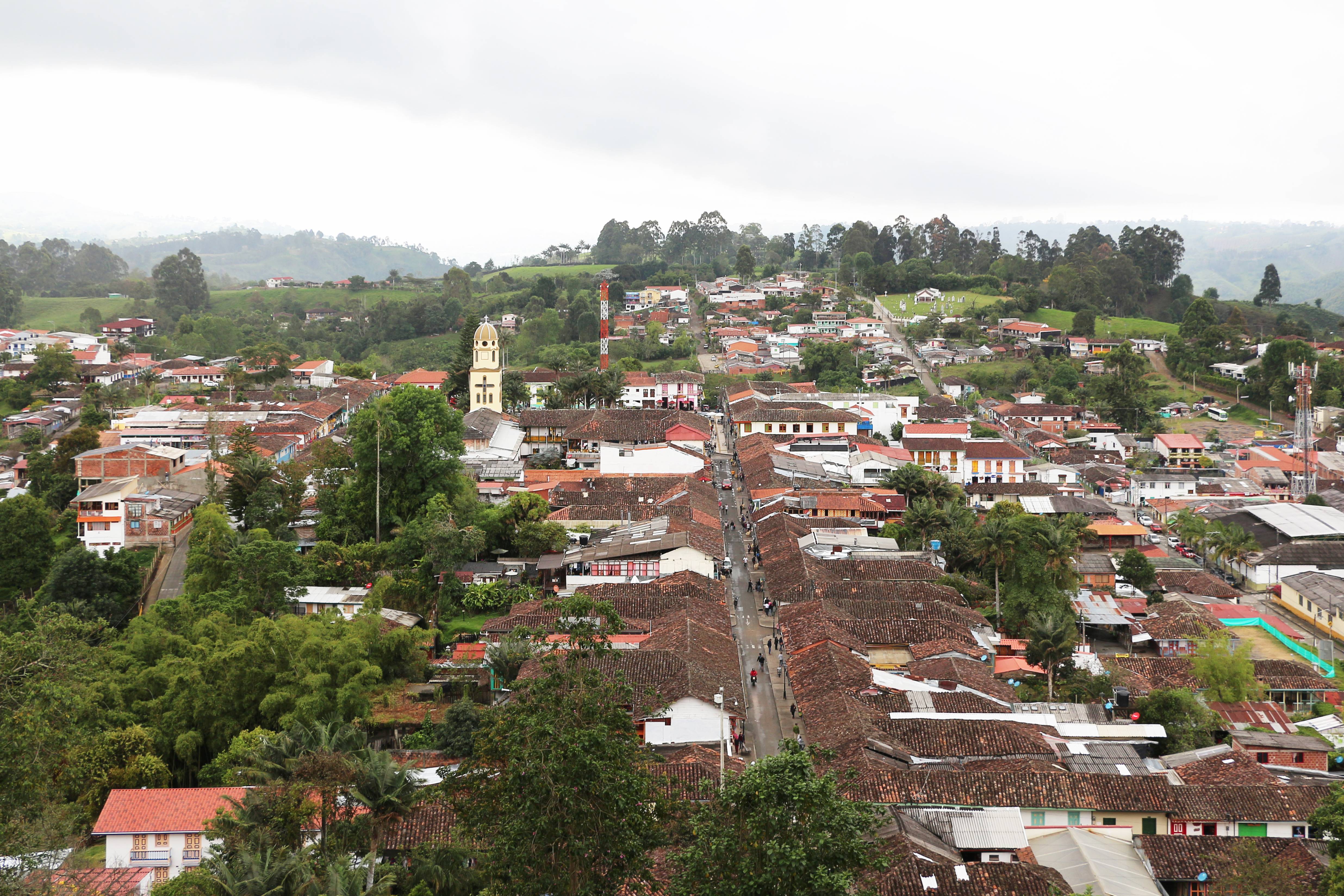
Colombia represents perhaps the most underestimated success story in the nomad economy. Colombia is a vibrant and welcoming destination for digital nomads seeking a mix of adventure and affordability. With its low cost of living and high quality of life, Colombia is a top choice for remote workers. The country offers something increasingly rare: authentic cultural experiences at genuinely accessible prices.
Colombia is an attractive destination for digital nomads in South America because of its variety of landscapes, friendly locals, and interesting culture. The average internet speed in Colombia is 15-20 Mbps, which is fast enough for basic tasks like checking email and browsing the web. While internet speeds might not rival Thailand’s, they’re sufficient for most remote work needs, and the infrastructure continues improving rapidly.
Colombia is an artsy and expressive country that has the potential to be very refreshing and inspiring for nomads. The local art, graffiti, and dance culture are bound to fuel your creativity while you work from here. Also, Colombians are some of the friendliest people in the world! It’s always heartwarming to travel in Colombia. Beyond economics, Colombia delivers the intangible benefits that make nomad life fulfilling – genuine warmth from locals and inspiring creative energy that many find rejuvenating for their work.
Philippines: Asia’s English-Speaking Bargain
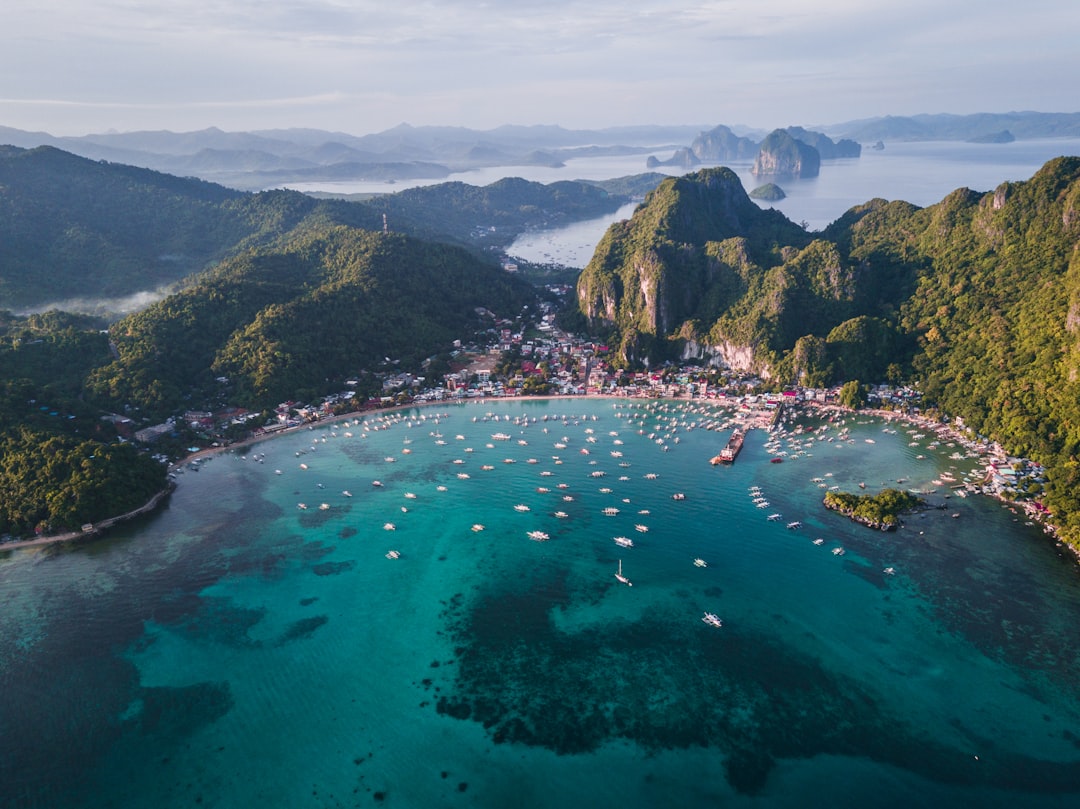
The Philippines often flies under the radar, but it offers unique advantages that savvy nomads have discovered. The Philippines is one of Asia’s most affordable countries for digital nomads, with new residence programs catering to remote workers. Its English-speaking population adds to its appeal. This linguistic advantage eliminates many communication barriers that can complicate daily life in other low-cost destinations.
Unbeatable Affordability: Southeast Asia allows you to live a high-quality life for a fraction of Western costs, with daily budgets ranging from $20-$50 in most countries. The Philippines fits perfectly into this regional pattern while offering distinct cultural experiences and island-hopping opportunities that appeal to adventure-seeking nomads.
The country’s island geography creates interesting economic dynamics – while remote islands might challenge internet connectivity, major cities like Manila and Cebu provide necessary infrastructure at remarkably low prices. More nomads are exploring Colombia, Kenya, and the Philippines for affordability and visa ease. This growing recognition suggests the Philippines is positioned to become an even more significant nomad destination.
The Economics Behind the Migration

These six countries share a powerful economic formula that creates win-win scenarios for both nomads and local economies. The global digital nomad community represents significant economic value, with estimates suggesting hundreds of billions in annual spending, calculated as the aggregate of digital nomad spending annually. If the global digital nomad community were a country, it would rank among mid-sized nations by population (Source: ABrotherAbroad.com). If the global digital nomad community were a country, it would rank among prosperous countries based on gross national income per capita.
Digital nomads typically spend at least 35% of their income on essentials such as food, accommodation, and entertainment. Nomads are perceived as “generous consumers” by local authorities, notably contributing to local economies by spending money in the places they reside, especially during off-peak tourist seasons. Digital nomads contribute an estimated $787 billion annually to the global economy. This massive injection of foreign currency into local economies explains why these countries are increasingly welcoming nomad-friendly policies.
The concentration in these six countries isn’t random – it reflects careful economic calculation by a highly educated workforce. According to a March 2024 study, 35 percent of surveyed digital nomads worldwide recorded an annual income of 100 thousand to 250 thousand U.S. dollars. By contrast, only six percent of the sample reported earning less than 25 thousand U.S. dollars a year. When high earners choose low-cost destinations, the purchasing power differential creates extraordinary lifestyle opportunities while significantly benefiting local economies.
The digital nomad movement has evolved far beyond a travel trend into a sophisticated economic ecosystem. These six countries – Thailand, Vietnam, Mexico, Indonesia, Colombia, and the Philippines – have emerged as clear winners by offering the perfect combination of affordability, infrastructure, and quality of life that location-independent workers demand.
Their success in attracting this valuable demographic demonstrates how strategic positioning and smart policies can transform entire regions into global remote work hubs.


